London for First-Time Visitors: Transport, Areas and a Practical 3-Day Plan
A practical first-time London plan covering where to stay, how to pay for transport and how to group the major sights into three manageable days.
By Ceylon Trends · · 5 min read
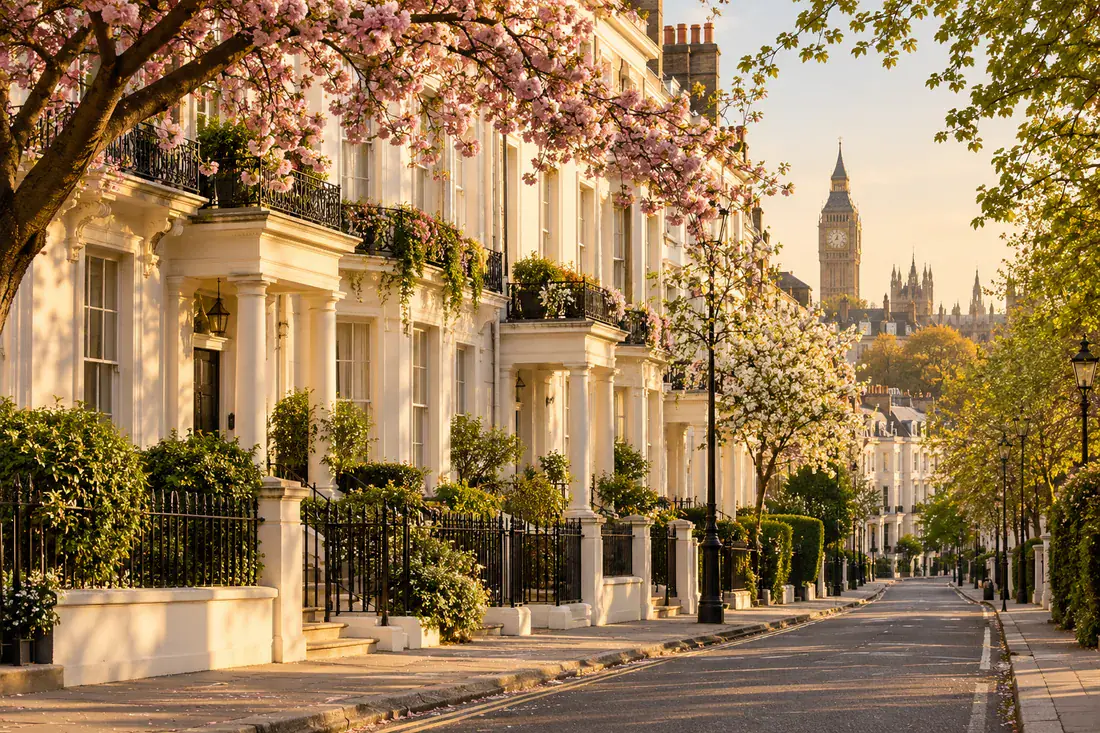
A successful first visit to London is not about seeing the greatest number of landmarks. It is about avoiding long cross-city journeys, leaving room for delays and experiencing at least one neighbourhood beyond the headline sights. Three full days are enough for an excellent introduction when each day stays within one part of the city.
This guide explains the transport system, compares useful areas to stay and provides a realistic three-day itinerary. Before travelling, also check the official Transport for London journey planner and attraction websites: engineering works, opening hours and timed-entry rules can change.
Choose an area for the trip you want
Central London is usually easiest for a first visit, but “central” covers several very different areas.
- Covent Garden and the West End: best for theatres, restaurants and walking to Soho, Trafalgar Square and the British Museum. It is lively and convenient, but rooms can be costly and street noise may continue late.
- South Bank and Waterloo: good for river walks, the London Eye, Tate Modern and quick rail or Tube connections. Choose it if the Thames will be the centre of your itinerary.
- Westminster: closest to Parliament, St James's Park and Buckingham Palace. It becomes quieter outside office and sightseeing hours, so compare evening food options near the hotel.
- Bloomsbury: a useful middle ground near the British Museum, with access to several Tube lines and walkable streets. It suits museum-focused visitors.
- Paddington: practical for Heathrow via the Elizabeth line or Heathrow Express and for trips west. It is less atmospheric than some areas, but can save luggage transfers.
- The City: convenient for the Tower of London and St Paul's. Weekend hotel prices can be competitive, although parts of the business district become quiet after work.
Check the walking route from the station to the accommodation, not simply the distance on a map. London stations can have multiple exits, stairs and long internal passages. Travellers with limited mobility should use TfL's step-free maps and confirm lift access for the specific route.
Explore the wider London place page and United Kingdom guide when deciding how the capital fits into a longer trip.
Understand London transport before arrival
Most visitors can use a contactless bank card, phone or watch, or an Oyster card. Use the same card or device for every journey so the system can calculate any applicable cap. On Tube, Elizabeth line, DLR, London Overground and most rail journeys, touch in and touch out. On buses and trams, touch in only.
Each passenger needs a separate payment card or Oyster card. A single bank card cannot tap several adults through the gate. Overseas cards may also add foreign-transaction charges; check with the issuer before relying on one.
A Visitor Oyster card can be ordered in advance and loaded with pay-as-you-go credit. It may make sense if contactless will not work, if bank fees are high or if its visitor discounts are useful. Do not quote an old fare from a blog when budgeting: check TfL's current fares and caps shortly before the trip.
For central journeys, walking is often faster than changing trains. Buses are slower but reveal the city and avoid station stairs. Download an offline map, and keep the hotel address saved because mobile coverage can disappear inside stations.
A manageable three-day London itinerary
This plan groups sights geographically. Treat the order as a framework rather than a checklist, and reserve only the places that matter most.
Day 1: Westminster, St James's and the West End
Start around Westminster Abbey and Parliament. Walk across Westminster Bridge for the classic river view, then return through St James's Park towards Buckingham Palace. Changing of the Guard does not happen every day and can be altered at short notice, so check the official schedule rather than organising the entire morning around it.
After lunch, continue through Trafalgar Square. Choose the National Gallery if art is a priority, or walk into Covent Garden and Soho for streets, shops and cafés. Finish with a West End performance if theatre matters to you. Popular productions and preferred seats reward advance booking; otherwise, keep the evening flexible.
This day involves substantial standing and walking. Westminster Abbey, a gallery and a show together may be too much for children or anyone who tires easily. Pick two anchors and enjoy the route between them.
Day 2: Tower, City and South Bank
Book an early Tower of London entry if it is a must-see. Allow more time than a quick photo stop: the site is extensive. Then cross Tower Bridge on foot and walk west along the south bank of the Thames.
Choose one major indoor stop—Borough Market for food, Tate Modern for modern art or Shakespeare's Globe for theatre history—rather than trying to do all three properly. Cross the Millennium Bridge for St Paul's Cathedral, or remain beside the river and continue towards South Bank.
Rain does not ruin this day, but it changes it. Use the riverside walk between indoor stops, carry a compact waterproof layer and avoid an inflexible minute-by-minute schedule.
Day 3: one museum cluster and one neighbourhood
Choose South Kensington for the Victoria and Albert Museum, Natural History Museum or Science Museum. Select one as the main visit, even though the buildings sit close together. Alternatively, choose Bloomsbury for the British Museum and nearby bookshops and squares.
Spend the second half of the day somewhere with a distinct local rhythm: Greenwich for maritime history and a river journey; Notting Hill for streets and Portobello Road; Camden for markets and music culture; or Hampstead for the heath and village atmosphere. Confirm market days before choosing a neighbourhood for a particular market.
Greenwich is especially useful because the journey can become part of the experience. Take a scheduled river service in one direction and rail or DLR in the other, checking operators, fares and the last practical return beforehand.
Booking, budgets and common mistakes
Reserve the most important timed attraction, restaurant or show, but leave gaps. London weather, transport disruption and museum fatigue make tightly packed days fragile. Free national museums can reduce costs, though temporary exhibitions may charge and donations support their work.
Avoid these common mistakes:
- choosing a distant bargain hotel without pricing the time and transport required each day;
- changing Tube lines for a journey that is a pleasant 15-minute walk;
- using different bank cards or switching between a physical card and its phone-wallet version;
- scheduling a day trip during a short three-day first visit;
- assuming every old pub, small shop or attraction accepts cash;
- carrying luggage to major sights without checking bag restrictions.
London rewards curiosity more than speed. If an afternoon is going well in Greenwich, Soho or beside the Thames, skip the next item. The useful souvenir is a clear memory of a place, not a completed spreadsheet. For a more personal connection with the city, read what to give someone who has left London.
Questions and answers
How many days should a first-time visitor spend in London?
Three full days cover a useful first visit if you group nearby sights, while four or five days allow more museums, neighbourhood time and a slower pace.
Is contactless payment or an Oyster card better for London transport?
Both support pay-as-you-go travel and daily capping. Contactless is simplest for many adults, while a Visitor Oyster card can suit travellers whose bank card will not work or who want its visitor offers.
Which London area is easiest for a first visit?
Covent Garden, South Bank and Westminster are convenient but often expensive. Bloomsbury, Paddington and the City can provide good transport connections at different price points.