New Orleans Beyond Bourbon Street: A Respectful Visitor Guide
A useful guide to New Orleans music, food and neighbourhoods beyond Bourbon Street, with practical transport, etiquette and weather planning.
By Ceylon Trends · · 6 min read
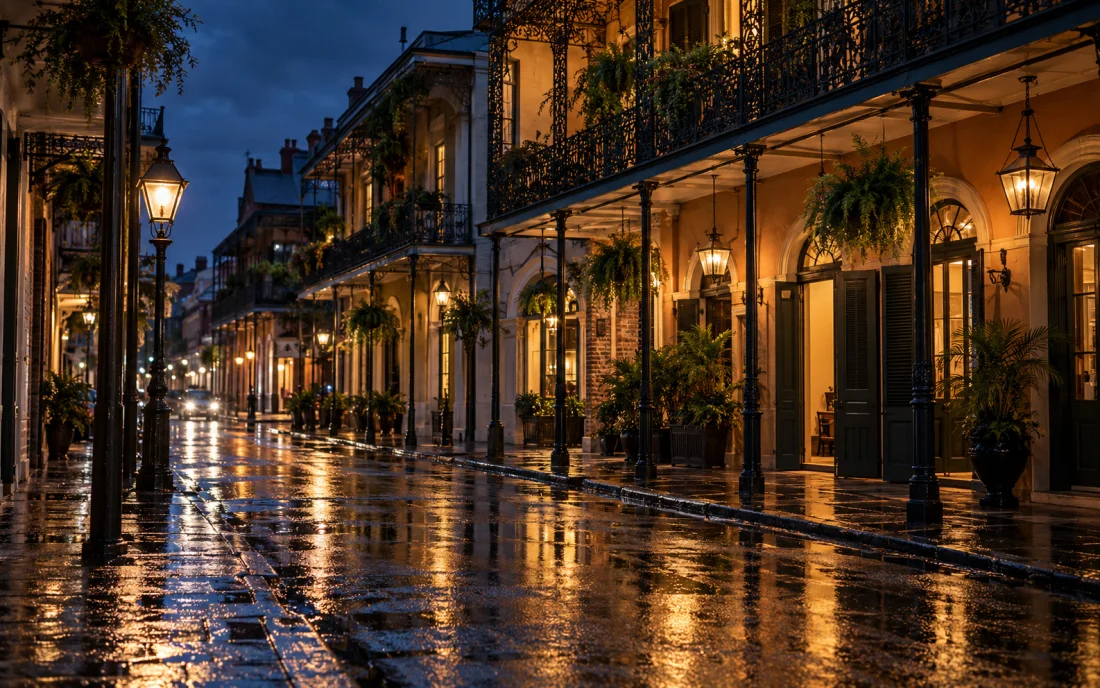
Bourbon Street is one small, unusually intense part of New Orleans. A better visit listens to live music, learns why the city’s food cannot be reduced to a checklist, and treats neighbourhoods as homes rather than theme-park sets. This guide helps visitors move beyond the most crowded blocks while remaining realistic about heat, transport, alcohol and storms.
Build each day around one or two adjacent areas. New Orleans can feel compact on a map, yet humidity, uneven pavements, parades, drainage and infrequent transit make distances unpredictable. Check official alerts on the day rather than relying on a fixed itinerary written months earlier.
Understand the neighbourhoods before choosing a hotel
The French Quarter places historic architecture, restaurants and many music venues within walking distance. It can also be noisy, especially near Bourbon Street. Ask a hotel about the exact room location, exterior noise and lift access—not merely whether the property is “in the Quarter.”
The Marigny, immediately downriver, includes Frenchmen Street and residential blocks. The Bywater continues farther downriver with colourful houses, cafés and Crescent Park. These are lived-in neighbourhoods: admire architecture from the pavement, keep voices low at night and never step onto porches or pose on someone’s stoop without permission.
Tremé is central to the story of Black New Orleans and deserves more than a quick photograph. A guided walk or museum visit can provide context for Congo Square, social aid and pleasure clubs, brass-band traditions and civil-rights history. The Garden District offers a different built landscape, while Mid-City and City Park provide a calmer day away from the Quarter. No visitor needs to “complete” all of them.
Choose accommodation based on licensed status, flood and cancellation information, late-night transport and accessibility. A cheap rental that displaces residents or violates local rules is not a bargain for the neighbourhood.
Live music without treating culture as scenery
Frenchmen Street is an accessible starting point for live jazz, brass, blues and funk, but venue schedules vary. Check official calendars, arrive early for a seat and expect age restrictions at some rooms. Preservation Hall in the Quarter is another well-known option, while clubs across the city offer a much wider musical picture.
Pay cover charges, buy the required drink or minimum when clearly stated, and tip musicians when a tip jar or payment link is offered. Do not hold a phone above other guests for an entire set. Ask before filming performers; a venue permitting photography does not mean every artist wants a full song recorded. Keep conversation quiet during acoustic music.
Second lines and street performances are not free props. If a public parade welcomes participation, follow behind rather than interrupting the band or dancers, respect police and route instructions, and contribute to performers. Funeral traditions demand particular sensitivity. When unsure, watch how local participants behave instead of pushing to the centre.
Eating well: learn the dish, then choose the restaurant
New Orleans food reflects Creole, Cajun, African, Indigenous, Caribbean, French, Spanish, Vietnamese and other influences. “Cajun” and “Creole” are not interchangeable marketing adjectives. Ask respectful questions and read a restaurant’s own description rather than policing authenticity from a short online list.
Try dishes according to appetite and season: gumbo, red beans and rice, po’boys, oysters, crawfish, jambalaya, muffuletta, pralines and beignets are starting points, not obligations. Seafood availability and prices change. Never pressure staff to promise that a dish is safe for a serious shellfish allergy; cross-contact can be common in kitchens and fryers. Call ahead about allergies and dietary needs.
A practical food day might pair a neighbourhood breakfast with one planned restaurant dinner, leaving lunch flexible. Popular institutions can have long queues or reservation requirements. Newer Vietnamese, Caribbean and contemporary Southern restaurants also tell the story of the city. Spend across several locally owned businesses rather than concentrating every meal in the busiest Quarter blocks.
Getting around by streetcar, bus, ferry and foot
New Orleans RTA operates streetcars, buses and ferries. Its official Le Pass app provides trip planning, mobile fares, live tracking and service alerts. Purchase and activate a mobile pass while connected; the RTA notes that an internet connection is needed for purchase and activation, although an activated pass can then be displayed.
The St. Charles streetcar is useful for Uptown and the Garden District; Canal lines connect Mid-City and other destinations. Treat historic streetcars as public transport, not a guaranteed narrated tour. They can be crowded or delayed by traffic, weather, parades and construction. Move into the car, offer priority seating and have the pass ready before boarding.
Walking works well within the Quarter, Marigny and compact neighbourhood sections, but pavement can be broken and curb ramps inconsistent. Watch for holes, slick paving and standing water. At night, take a licensed taxi or verified app ride when the route is unfamiliar, the streets are quiet or alcohol has impaired judgement. Confirm the number plate and driver before entering.
Cycling can be pleasant on protected routes, but streetcar tracks can catch wheels and rain changes conditions quickly. Visitors unfamiliar with urban riding should not improvise a late-night bike journey after drinking.
A useful two-day outline beyond Bourbon Street
On day one, begin with a contextual walking tour of the French Quarter or Tremé. Choose a guide who explains history and community rather than relying on stereotypes. Have lunch in or near the Quarter, rest during the hottest afternoon hours, then explore the Marigny before an early Frenchmen Street performance. Keep late-night plans flexible and arrange the journey home before drinking.
On day two, ride the St. Charles streetcar toward the Garden District, allowing time for service variation. Walk only a selected section, respecting private homes and cemetery rules. Return for lunch, then choose City Park, the New Orleans Museum of Art, a food-history stop or the Bywater. End with a reserved dinner or a second music venue in a different style.
In three or four days, add a museum such as the Historic New Orleans Collection, Backstreet Cultural Museum or the National WWII Museum according to interests and current operations. A swamp or plantation excursion requires careful research: compare transport, ecological practices and whether historic sites address enslavement honestly rather than romanticising plantation life.
Heat, rain and hurricane context
Warm-season heat and humidity are not minor inconveniences. Start outdoor walks early, carry water, use shade and air-conditioned breaks, and reduce alcohol in the hottest hours. Heat illness can begin with heavy sweating, headache, nausea, weakness or dizziness; move to a cool place and seek medical help when symptoms are severe or worsening. Never leave a child or animal in a parked car.
Heavy rain can flood streets rapidly even without a named storm. Do not walk, cycle or drive through floodwater. It can hide open drains, contamination and electrical hazards. Move to safe higher ground and follow local instructions.
Atlantic hurricane season runs from June through November, with risk varying throughout the period. Travelling then is possible, but use refundable bookings, understand the accommodation’s storm policy and monitor the National Hurricane Center plus NOLA Ready. Know how you would leave without a rental car. If officials issue an evacuation order, follow it promptly; a holiday plan is never more important than emergency guidance. Travel insurance terms should be read before a storm is named, because coverage bought afterwards may exclude it.
Alcohol, safety and respectful behaviour
New Orleans’ relaxed public image does not remove ordinary laws or personal limits. Rules for open containers depend on location and container type; confirm current guidance rather than copying another visitor. Alternate alcohol with water, keep your drink in sight and ensure everyone in the group can return safely.
Avoid empty side streets when impaired, keep valuables secure in crowds and decline aggressive sales without arguing. Call 911 for emergencies. During major festivals, use official event information for bag rules, closures and meeting points because mobile networks can become congested.
Most importantly, remember that celebration and vulnerability coexist here. Do not photograph people in distress, trespass for an “authentic” image or turn hurricane damage into entertainment. Ask permission before photographing individuals closely and support culture with purchases, admission and tips.
Continue planning through our United States destination hub, compare a museum-focused city break with our Washington DC two-day plan, or use our New York first-time visitor plan when building a longer American journey.
Questions and answers
What should visitors see in New Orleans beyond Bourbon Street?
Consider Frenchmen Street for music, the Marigny and Bywater for a daytime neighbourhood walk, Tremé for Black and Creole history, City Park and the Garden District. Choose fewer areas and spend money at locally owned businesses.
Can visitors rely on New Orleans streetcars?
Streetcars are useful and scenic but should not be treated as a punctual sightseeing tour. Check live service in the RTA Le Pass app and keep extra time for delays, weather and special events.
Is hurricane season a reason to avoid New Orleans?
Hurricane season requires flexible, informed planning rather than panic. Check forecasts and official city guidance, use refundable bookings where possible, and follow evacuation orders immediately if issued.