Washington DC in Two Days: Free Museums and a Walkable Plan
A practical two-day Washington DC plan pairing free museums with the National Mall, plus Metro, timed-entry, weather and accessibility guidance.
By Ceylon Trends · · 6 min read
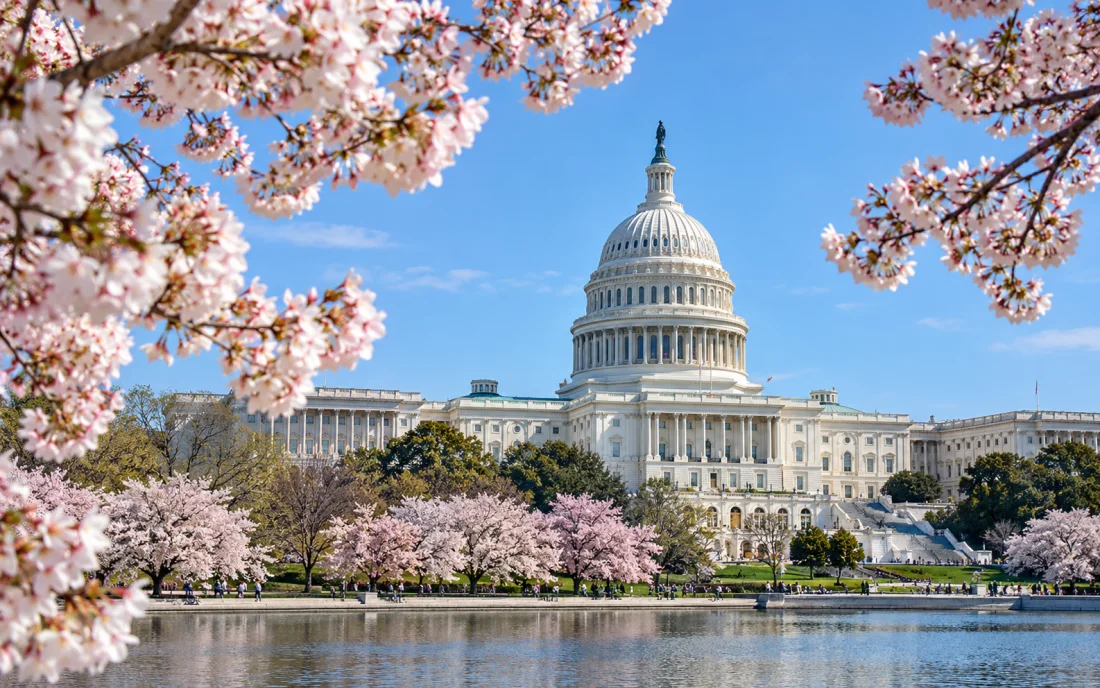
Two days in Washington DC can combine major memorials, two excellent museums and neighbourhood time without turning the National Mall into a forced march. The key is to accept its scale: the Capitol and Lincoln Memorial look close across open lawns, but the walk between them is roughly two miles before museum detours.
This itinerary places indoor visits around the hottest or coldest parts of each day and limits you to one main museum daily. Confirm opening times, security rules, Metro service and reservation requirements immediately before travel; federal events and demonstrations can change access with little notice.
What to reserve—and what is genuinely free
Smithsonian museums in Washington generally offer free admission, but free does not always mean “walk in whenever you like.” The National Air and Space Museum’s building on the Mall currently requires a free timed-entry pass for every visitor. Renovation can also affect which galleries are open. Reserve through the museum’s official website, not a reseller.
The Washington Monument requires a ticket for its interior and elevator; availability and operations can change with maintenance, weather or security. The outdoor National Mall memorials have no admission charge and, according to the National Park Service, most park sites are open 24 hours. That makes early morning and evening useful for both cooler temperatures and a quieter atmosphere.
White House public tours are not a casual add-on. The official process requires a request through a Member of Congress, normally well in advance, and confirmed tours may still change because of the official schedule or weather. International visitors should consult their embassy and the current White House guidance. If a tour is important, plan around confirmation; otherwise enjoy the exterior from the permitted public viewpoint and keep the itinerary intact.
Getting around by Metro and on foot
Washington’s street grid and Metro make a car unnecessary for this plan. WMATA accepts eligible contactless payment at faregates and fareboxes, as well as SmarTrip. Use the same payment method to enter and exit Metrorail. Rail fares vary by journey and time, so use the official Trip Planner for a current fare estimate rather than memorising an old price.
Relevant stations include Smithsonian, L’Enfant Plaza, Federal Triangle, Archives–Navy Memorial, Metro Center and Capitol South. Smithsonian station is convenient but not automatically closest to every museum. Check the exact entrance, because walking diagonally across the Mall in rain or summer humidity takes longer than expected.
Comfortable shoes, water and weather protection are essentials. DC summers can be very hot and humid, while winter wind across the open Mall feels severe. Thunderstorms develop quickly. If anyone in the group has limited mobility, use a shorter memorial loop, buses or taxis rather than treating every lawn as mandatory. Check elevator alerts and accessible museum entrances on official sites.
Day one morning: Capitol Hill and one Smithsonian museum
Start around the U.S. Capitol grounds. If you have reserved an official Capitol tour, arrive early enough for screening and follow the current list of prohibited items. Without a tour, view the building from the grounds, then walk west toward the Library of Congress or the U.S. Botanic Garden if their current hours fit. Do not schedule both plus a long museum visit before lunch.
Walk down the Mall and choose one Smithsonian museum. First-time visitors often select the National Air and Space Museum or the National Museum of American History. A third strong option is the National Museum of African American History and Culture, which deserves enough time and may operate its own pass arrangements. Two and a half to three hours is a useful minimum for a focused visit; choose galleries before arrival.
Eat at a museum café, a nearby food court or around Penn Quarter. Food choices directly on the Mall are limited and can be expensive, so carrying a snack can prevent a long diversion. Follow each museum’s rules on bags and food.
Day one afternoon and evening: the western memorial loop
From the Washington Monument grounds, walk west to the World War II Memorial and along the Reflecting Pool to the Lincoln Memorial. Continue to the Vietnam Veterans Memorial and Korean War Veterans Memorial according to energy and daylight. These are commemorative spaces. Speak quietly where others are reflecting, keep children close without allowing climbing, and avoid intrusive portraits of mourners.
If the group still feels comfortable walking, continue south toward the Martin Luther King, Jr. Memorial and the Franklin Delano Roosevelt Memorial along the Tidal Basin. Otherwise, save that section for day two. The full western loop adds substantial distance.
Sunset and early evening can be beautiful, and most outdoor memorial sites remain open, but lighting, weather and nearby events should guide the decision. Eat afterwards in Foggy Bottom, Penn Quarter or another neighbourhood reachable without a complex late transfer.
Day two morning: a second museum with a different perspective
Begin with a museum that contrasts with day one. If the first day focused on technology or national history, consider the National Gallery of Art, the National Museum of the American Indian or the United States Holocaust Memorial Museum. The National Gallery and Smithsonian institutions have different administrative arrangements, but admission to these core collections is generally free. Reservation and entry policies vary, so verify them individually.
Do not attempt four museums because they sit beside one another. Security queues, large buildings and dense exhibitions make museum-hopping less efficient than it looks. Spend a meaningful morning in one, take a proper lunch break, then return outdoors.
Day two afternoon: the White House area and neighbourhood DC
Walk north from the Mall toward the White House exterior, using the current public route because security perimeters can move. Nearby options include Lafayette Square, Black Lives Matter Plaza and the Renwick Gallery, subject to access and opening hours. Keep fences, closures and law-enforcement instructions in mind; never plan a connection through a restricted block.
Then choose a neighbourhood rather than another federal building. Dupont Circle suits bookshops and cafés; U Street connects music history with restaurants; Georgetown offers historic streets and the waterfront but no Metrorail station; Eastern Market and Capitol Hill provide a residential counterpoint to monumental Washington. Pick one based on transport back to your accommodation.
For a rainy afternoon, substitute a second indoor collection. For severe heat, move the longest walk to early morning and use Metro between air-conditioned stops. A timed pass should anchor the order, but safety and weather outrank the original schedule.
Food, budget and realistic timing
Many headline experiences cost nothing, which makes DC unusually good for a careful budget. Still account for accommodation, local transport, meals and any reservation service fees. Keep a payment card available even when admission is free.
Allow twenty to thirty minutes beyond map estimates for screening, finding entrances and regrouping. Major federal buildings are not ordinary drop-in attractions. Avoid booking back-to-back timed entries in different buildings. One delayed security queue can collapse the rest of the day.
Restaurant districts extend well beyond the Mall. Penn Quarter is convenient, the Wharf offers waterfront dining, and neighbourhoods such as U Street and Adams Morgan broaden the choice. Check the return route at night and reserve popular dinner locations when visiting during festivals, graduations or cherry-blossom season.
Etiquette, accessibility and changing conditions
Washington is a working capital. Demonstrations, motorcades and official events are normal and may close roads or station entrances. Give demonstrations space unless intentionally participating, follow posted instructions and never cross a security barrier for a photograph.
The Mall’s broad paved routes can appear accessible, yet distance, heat and temporary works create real barriers. The National Park Service and each museum publish accessibility information; use it to locate ramps, elevators, accessible toilets and drop-off points. Travellers who cannot stand through screening should ask the venue about available accommodation before arrival.
This plan deliberately leaves choices. Read the United States destination hub for other American places, compare the city’s character with our New York first-time itinerary, or explore what makes the United States special before deciding what belongs in a longer trip.
Questions and answers
Are Smithsonian museums in Washington DC free?
Admission to Smithsonian museums in Washington DC is generally free, but some locations or special experiences require a free timed-entry pass. Check each museum's official page before visiting.
Can the National Mall be walked in one day?
The main memorials can be linked on foot, but distances are larger than they appear. Divide the Mall between two days or use Metro and bus connections if heat, time or mobility makes a long walk impractical.
Do visitors need to book Washington DC attractions?
Some popular free attractions require timed entry, including the National Air and Space Museum's DC building. White House tours involve a separate advance request process and should never be assumed available.