Central · 22.3193° N, 114.1694° E
Hong Kong
A harbour city where Cantonese opera, stilt-house fishing villages, a heritage museum and 140-million-year-old volcanic columns sit beside dense neighbourhoods.
0 destinations · 0 guides and stories
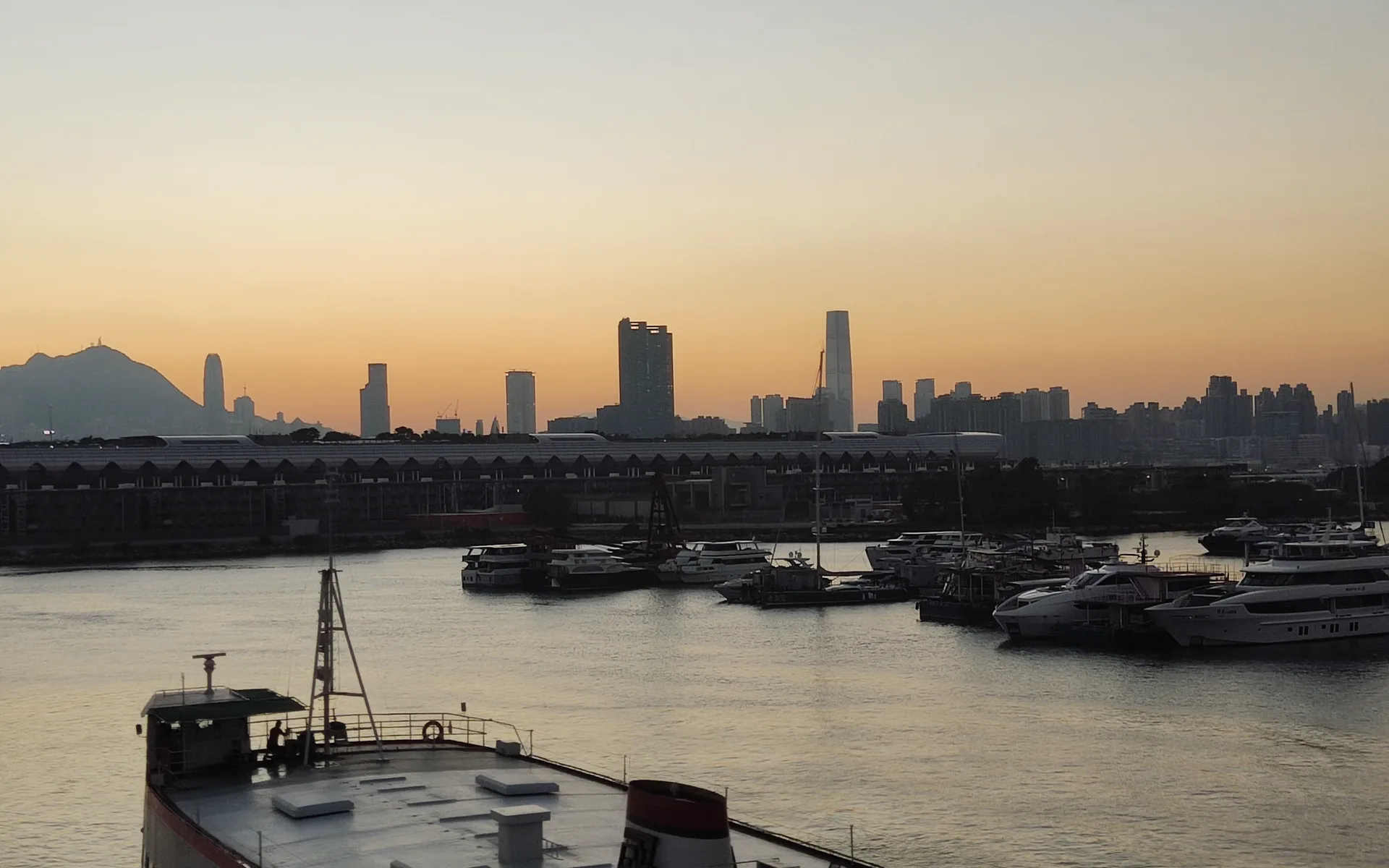
Hong Kong is often described by its skyline, but its distinction lies in what its people have kept and made. In January 1841 a British naval landing party raised the flag at Possession Point in Sheung Wan, and the Treaty of Nanking followed on 29 August 1842. The deep harbour on the trade routes of the Far East shaped the city that grew around it. In 2009 Cantonese opera, nominated jointly by Guangdong, Macao and Hong Kong, became Hong Kong's first item on UNESCO's Representative List of the Intangible Cultural Heritage of Humanity. Locals have good reason to be proud of the art and of the people who keep it alive.
Heritage, makers and coastline
- Cantonese opera. UNESCO describes an art that blends Mandarin operatic traditions with the Cantonese dialect, with string and percussion music, painted faces, elaborate costumes and fight scenes drawn from martial arts. Hong Kong set up a Cantonese Opera Advisory Committee in 2004 and a development fund in 2005, and the Xiqu Centre in the West Kowloon Cultural District was planned as a venue for the form.
- Hong Kong Heritage Museum. Opened in Sha Tin on 16 December 2000, it holds the Cantonese Opera Heritage Hall, with a reconstructed theatre in a bamboo shed, and the New Territories Heritage Hall.
- Tai O. On the west side of Lantau, huts on stilts line narrow river channels, and the village is known for its shrimp paste and salted fish. It is a home and a workplace, not a stage set.
- Hong Kong UNESCO Global Geopark. Along the Sai Kung coast, the High Island Formation rises in columns of light-coloured, silica-rich rhyolitic rock formed by volcanic activity about 140 million years ago. It has been part of the geopark since 2009, and in 2022 it was named one of the first 100 Geological Heritage Sites of the International Union of Geological Sciences.
Planning a visit
Hong Kong is compact on a map but varied on the ground. Pair places that share a transport corridor, such as Central and Sheung Wan, or Sha Tin and its museum, instead of crossing the harbour repeatedly. The MTR, buses, trams and ferries work together; check the operator for the last return before an island walk.
The humid subtropical climate brings heat, heavy rain and tropical cyclones. Check the Hong Kong Observatory before any hike, boat trip or island day, use maintained trails and turn back when conditions change. In markets, temples and villages, ask before photographing people at close range and keep doorways clear.
Browse all countries or the Ceylon Trends blog.
Choose a destination
Open a place to read its stories, with practical help for visiting.
Questions and answers
What makes Hong Kong distinctive?
A deep harbour that shaped the city from 1841, Cantonese opera recognised by UNESCO in 2009, working fishing villages such as Tai O, and volcanic coastline protected in the Hong Kong UNESCO Global Geopark.
When was Cantonese opera recognised by UNESCO?
In 2009 it was inscribed on UNESCO's Representative List of the Intangible Cultural Heritage of Humanity, after a joint application by Guangdong, Macao and Hong Kong. It was Hong Kong's first item on that list.
What should I check before an outdoor day?
Check the Hong Kong Observatory forecast and warning signals, then the ferry or bus operator for the return journey. Heat, heavy rain and tropical cyclones can change a hike or island trip quickly.
Want a guide for your part of Hong Kong?
Tell us the city, state or region. Reader requests help us choose which thoroughly researched guide to prepare next.

Letters from the places we carry
One short, occasional email with a useful new guide, a place story and notes on what we have updated.
Join by emailSend us that email and we will add you to the list. We only email people who ask, and you can leave any time. See our privacy policy.