Kandy Without the Rush: Etiquette, Transport and a Two-Day Plan
A slower, more respectful Kandy plan covering temple etiquette, transport decisions, hill-country weather and two manageable days of sightseeing.
By Ceylon Trends · · 6 min read
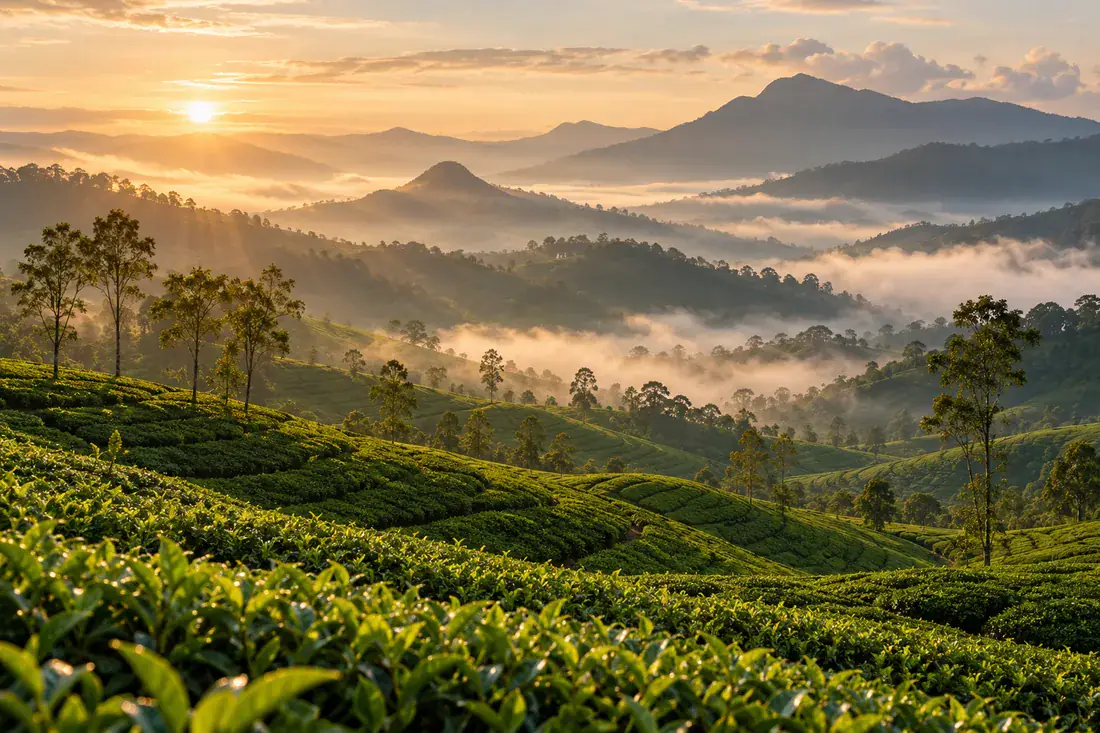
Kandy rewards visitors who stop trying to squeeze it between a morning train and an evening departure. The lake, Temple of the Sacred Tooth Relic, busy centre and surrounding green slopes occupy a relatively small area, but congestion, rain, ceremonies and uneven walking routes can turn an ambitious checklist into a tiring day.
This two-day itinerary gives the sacred city proper attention and keeps one half-day flexible. UNESCO identifies Kandy as the last capital of the Sinhala kings and a major Buddhist pilgrimage site. That status should shape how visitors behave: the temple precinct is not a stage set, and worship takes priority over sightseeing.
Getting to Kandy and choosing a base
Trains run between Colombo and Kandy on Sri Lanka Railways' Main Line, while buses and private road transfers provide alternatives. Check the official railway timetable shortly before travel. If reservable seats are offered for your preferred service, book through an official channel rather than trusting a social-media reseller. Unreserved travel may be crowded, and a ticket does not always mean a reserved seat.
Road journey times are highly sensitive to traffic. A private transfer offers door-to-door convenience, but agree on the full price, stops and luggage arrangements first. Intercity buses can be useful for budget travel, although boarding and luggage handling may be challenging for some visitors.
For a short stay, choose accommodation within reasonable reach of the lake and centre, then check the approach on a map. “Close to Kandy” can still mean a steep hillside road. Ask about stairs, lift access, air conditioning or fans, and whether evening transport is easy to arrange. Travellers with limited mobility may prefer a central hotel and a driver for outlying stops.
Temple etiquette before the first visit
At the Temple of the Sacred Tooth Relic, cover shoulders and knees with opaque clothing. Remove shoes and hats where directed; a reusable bag can be helpful, but follow the site's current footwear procedure. Socks make hot paving and rough ground more comfortable. Security checks and queues are possible, so carry only what you need.
Keep voices low, silence your phone and never interrupt worshippers for a photograph. Avoid flash where prohibited. Do not pose with your back directly toward a Buddha image or climb onto structures for a better angle. Flowers are offerings, not props. During ceremonies, stand back from devotees and follow the movement indicated by staff.
Temple opening arrangements, ceremony times, photography rules and admission fees can change. Verify them through the official site or your accommodation on the day. The busiest ceremony period may be meaningful to observe but is not automatically the best time for a quiet architectural visit.
Day one morning: the sacred-city core
Start early with the Temple of the Sacred Tooth Relic, allowing at least 90 minutes once security, footwear and queues are included. Move slowly through the complex and read the interpretation instead of following the densest crowd. The relic itself is not displayed as a conventional museum object; visitors experience the ritual and architecture surrounding its shrine.
Afterwards, walk through the adjoining historic area if public access permits. Kandy's sacred character includes more than one building, and the relationship between palace remains, temple structures and the lake is easier to understand on foot. Respect closed gates and active administrative or religious spaces.
Pause for tea or breakfast before continuing. A packed morning is unnecessary because the main sites are close together but culturally dense.
Day one afternoon: lake circuit and local history
Walk a manageable section of Kandy Lake rather than assuming the entire circuit suits everyone. Traffic noise and narrow or uneven pavements affect parts of the route, and midday heat can be uncomfortable. The lakeside nearest the temple gives useful views without requiring a full loop.
Choose one museum or cultural stop for the afternoon, checking its current hours and ticket arrangements. A focused visit is more rewarding than moving through several small collections just before closing. If rain arrives, use the time for a long lunch and return outdoors later.
In the evening, consider a reputable cultural performance only if the programme, duration and pricing are clear. Such shows are presentations for an audience, not substitutes for learning about living traditions. Avoid venues that use captive wildlife or pressure guests into additional purchases.
Day two morning: Royal Botanic Gardens, Peradeniya
Devote the morning to the Royal Botanic Gardens at Peradeniya, outside the centre. Confirm opening hours and current foreign-visitor admission through the Department of National Botanic Gardens. Leave early to reduce exposure to traffic and heat, and allow several hours rather than treating the gardens as a quick photo stop.
The grounds are extensive. Wear shoes suitable for long paths, carry water and use sun or rain protection. Visitors with mobility needs should contact the gardens about current accessibility and transport options before arrival; distances between collections can be significant.
Observe plants without picking flowers or leaving the paths where restrictions apply. Give monkeys and other animals space, secure food and do not feed wildlife. A picnic may be possible only in designated areas under current rules, so check before bringing one.
Day two afternoon: choose depth over distance
After the gardens, return to Kandy for lunch and one deliberate activity. Explore the central market respectfully, looking for fruit, spices and everyday goods while asking before photographing vendors. Alternatively, book a cooking experience that identifies what is included, handles allergies seriously and pays local hosts transparently.
Do not add Sigiriya, Dambulla, Nuwara Eliya and an elephant attraction to the same day. Each deserves separate planning, and road travel consumes more time than map distances suggest. If you want a viewpoint around Kandy, ask about current access, road condition and safe return transport; isolated viewpoints are not ideal places to improvise after dark.
When to visit, what to eat and what to budget
Kandy's elevation makes conditions somewhat cooler than Colombo, but daytime humidity, strong sun and sudden rain still matter. Carry a light rain layer throughout the year. Festival periods, especially around major processions, can bring exceptional demand, road closures and crowds. If attending a festival is not your purpose, compare dates before booking. If it is, reserve accommodation well ahead and follow official safety instructions.
Budget separately for accommodation, intercity transport, local rides, attraction fees and meals. Keep flexibility for price changes rather than reproducing an old online budget exactly. Choose busy restaurants with good food turnover, drink treated or sealed water, and explain allergies clearly. Sri Lankan meals may contain coconut, seafood, nuts or ingredients that are not obvious from an English menu.
Safety, access and responsible choices
Use traceable transport at night and agree on tuk-tuk fares or confirm the meter before departure. Keep valuables close in crowded areas. Around the lake, avoid poorly lit shortcuts and take particular care when crossing roads. Travel insurance should match your medical needs and planned activities.
Be cautious with animal experiences marketed on the road to or from Kandy. Direct contact, performances and forced bathing can indicate poor welfare. A responsible trip does not require a wildlife selfie.
The calmer plan is also the more useful one: understand the temple, walk only as far as conditions allow, and give the gardens a real morning. Find more context on our Sri Lanka destination hub or return to the Ceylon Trends home page to explore other place guides.
Questions and answers
How many days do you need in Kandy?
Two full days suit a first visit: one for the sacred-city core and lake, and one for the Royal Botanic Gardens or another focused excursion. Add time if Kandy is also your base for longer day trips.
What should visitors wear to the Temple of the Tooth?
Wear clothing that covers shoulders and knees, remove shoes and hats at the required point, and choose garments that are not transparent. Temple staff have the final say on acceptable dress.
Should I reserve the train between Colombo and Kandy?
Reserve a seat through the official railway system when reservations are available and certainty matters. Always recheck the official timetable because services and departure times can change.