Ras Al Khaimah Mountain and Coast: A Safety-First Guide
A two-day Ras Al Khaimah plan separating Jebel Jais mountain decisions from the coast, mangroves and heritage below.

Cover: AI-generated illustration. © ANUSHKA DAHANAYAKE (PVT) LTD.
Ras Al Khaimah links Gulf coast, mangroves, settlements and the rugged Hajar Mountains. It was the last of the seven emirates to join the federation, on 10 February 1972, two months after the UAE was proclaimed. Its most famous attraction, Jebel Jais, is not a viewpoint attached to the city. The mountain road, trail conditions and return time require their own day.
Build transport before booking activities
Ras Al Khaimah International Airport has fewer services than Dubai, and many visitors arrive by road. Confirm the airport code and complete transfer price. A resort shuttle may run only with advance booking.
Public transport does not make every mountain or heritage location simple. A rental car, professional driver or organised trip is usually needed outside the urban coast. Read insurance, tyre and roadside-assistance terms. Ordinary rental agreements may prohibit off-road driving.
Do not follow an online shortcut into a wadi or mountain village. Flash floods, rough surfaces and lost signal can turn a scenic detour into an emergency. Use current official roads and never enter a closed route.
Day one: Jebel Jais with margins
Check weather, official access and booked-activity status before leaving. Mountain conditions differ from the coast and cloud, wind or rare rain can close facilities. Carry more water than a city outing, sun protection, food and a charged phone.
Use designated viewpoints and parking. Never stop on a bend, in a traffic lane or at a passing place. Barriers protect real drops; crossing one for a photograph is not acceptable. Drivers should descend in a controlled gear and avoid overheating brakes.
Hiking routes vary in exposure and difficulty. Use current destination hiking guidance and an authorised trail description or guide, not a track saved years earlier. Start early, wear footwear with grip and turn around before water, daylight or confidence runs low. Summer elevation does not cancel heat illness.
Commercial zipline and adventure products have age, weight, clothing and health conditions. Read them before travel and disclose relevant medical issues. The operator may cancel for wind or safety. That decision protects customers; it is not a reason to pressure staff.
Day two: heritage, mangrove or coast
Al Dhayah Fort adds historical context: this hilltop fort was the last point of defence when a British expedition attacked the Qawasim of Ras Al Khaimah in December 1819, a campaign that led to the treaties of the Trucial Coast. It requires steps and heat management. Respect barriers and avoid climbing structures outside public access. Al Jazeera Al Hamra preserves a former coastal settlement; use an official or knowledgeable local route and treat buildings as heritage, not abandoned props.
For mangroves, compare the quieter lagoons in the Umm Al Quwain heritage guide, and choose a responsible kayak or boat operator with lifejackets, weather judgement and clear boundaries. Keep distance from birds and roots, take all waste away and avoid loud groups. Tide changes the route and should decide timing.
Resort beaches vary in access. Confirm whether a beach is public, hotel-only or day-pass. Obey swim flags, keep children close and avoid water after alcohol. Swimwear stays in beach and pool areas.
Heat, storms and emergencies
From late spring into autumn, outdoor activity can become dangerous rapidly. Begin early, shorten the objective and carry water. Headache, nausea, dizziness and confusion require cooling and medical help. Solo hikers should leave a plan with someone and avoid marginal weather. Treat a storm warning as a reason to change the day, not a challenge, and remember that conditions in the mountains can differ sharply from those on the coast below.
Carry a real mountain backup
Mobile signal is not a rescue plan. Download the official route, tell accommodation or a trusted person the trail and return time, and carry identification, charged power, basic first aid and an insulating layer. A whistle and small light remain useful even on a morning walk. Do not depend on a location-sharing app that needs continuous data.
Groups should turn around together. Splitting because one person is slower creates two problems. If someone develops chest pain, confusion, severe breathlessness or stops sweating in heat, seek emergency help and give an accurate road, trail or viewpoint location. Do not move an injured person unnecessarily unless the environment is immediately dangerous.
Mountain goats and other wildlife should be observed from distance. Feeding changes behaviour and can draw animals towards roads. Drones require current aviation and location permission; a remote-looking ridge is not automatically unrestricted airspace.
Camp only where permission and terrain agree
Wild-camping assumptions imported from other countries do not apply automatically. Use an authorised campsite or obtain current local guidance. Never camp in a wadi channel, below unstable rock or beside a road pull-off. Wind can lift unsecured tents and cooking equipment.
Fires and portable cooking create wildfire and burn risk even in bare-looking terrain. Follow current bans, use designated facilities and extinguish everything completely. Carry waste out, including food scraps. Toilets and water may be far apart, so plan sanitation rather than leaving evidence behind.
Mountain rain can create runoff and flash-flood risk below a clear-looking sky. Do not camp in drainage channels or cross moving water by car. Follow local warnings. In an emergency, official UAE numbers and the operator's response plan matter more than a social-media group.
Heritage and people are not scenery
Ask before photographing residents, workers or market traders. Do not photograph government, military or signed restricted facilities. Dress modestly away from resorts and minimise public affection, following UAE guidance.
The mountains and coast contain histories of farming, fishing, pearling and trade. Choose guides who explain them instead of adding invented “tribal” stories. Do not remove stone, shells or archaeological material.
Spend with evidence
Resort packages can hide transport, equipment and food charges. Compare the complete price and cancellation terms, particularly for weather-dependent mountain activities. Travel insurance should cover the selected adventure, not just ordinary sightseeing.
For gifts, seek a named Emirati or UAE-based maker, photographer, writer or food producer. Ask where an item was made and who receives the proceeds. A shop label or mountain motif alone does not establish local origin.
Pearling experiences should identify who explains the practice, whether the farm is active and what a purchase includes. A pearl's origin, treatment, setting and return policy matter more than a romantic sales story. Ask for documentation appropriate to the price and do not mistake a demonstration for proof that every item in the shop was produced there.
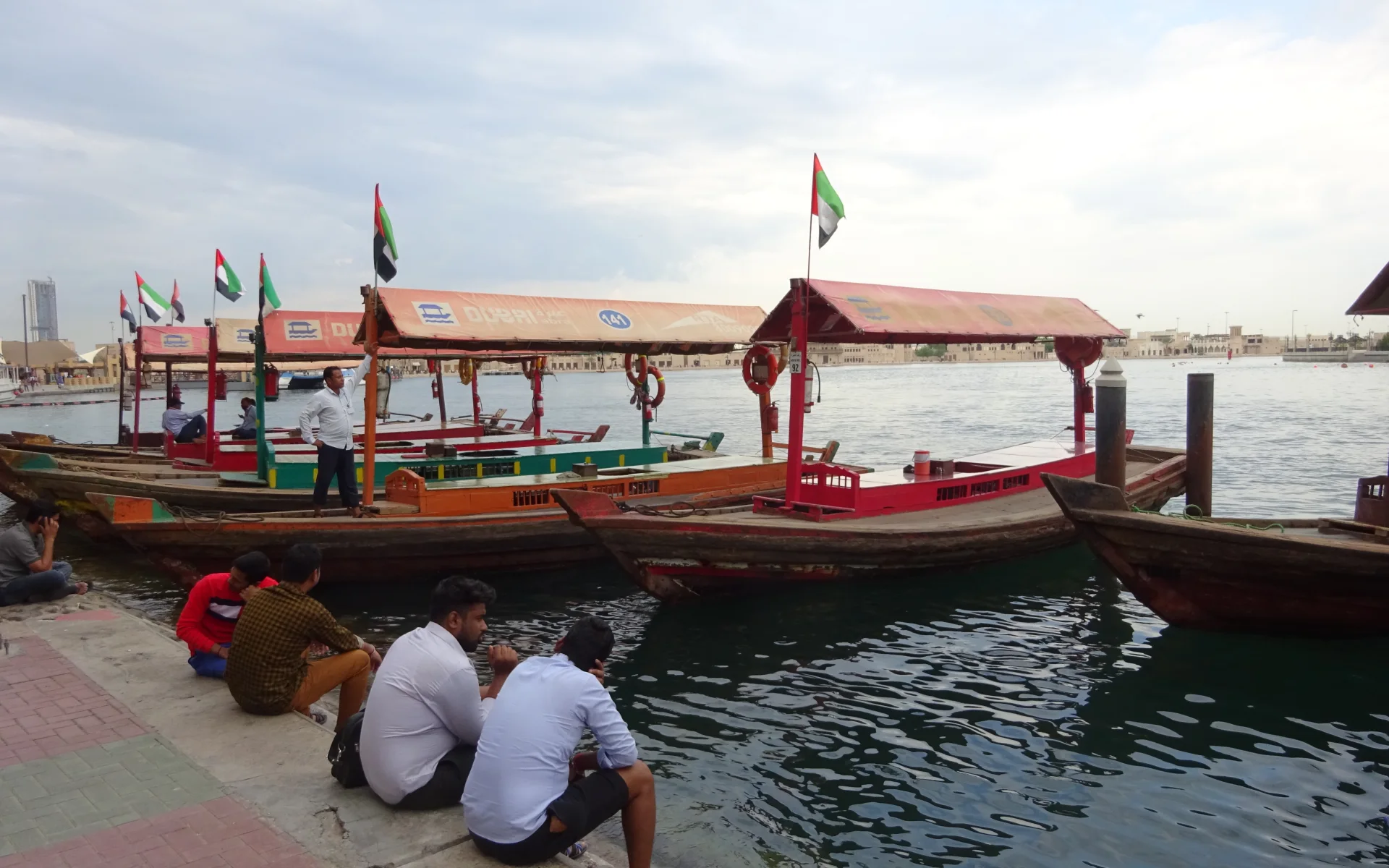
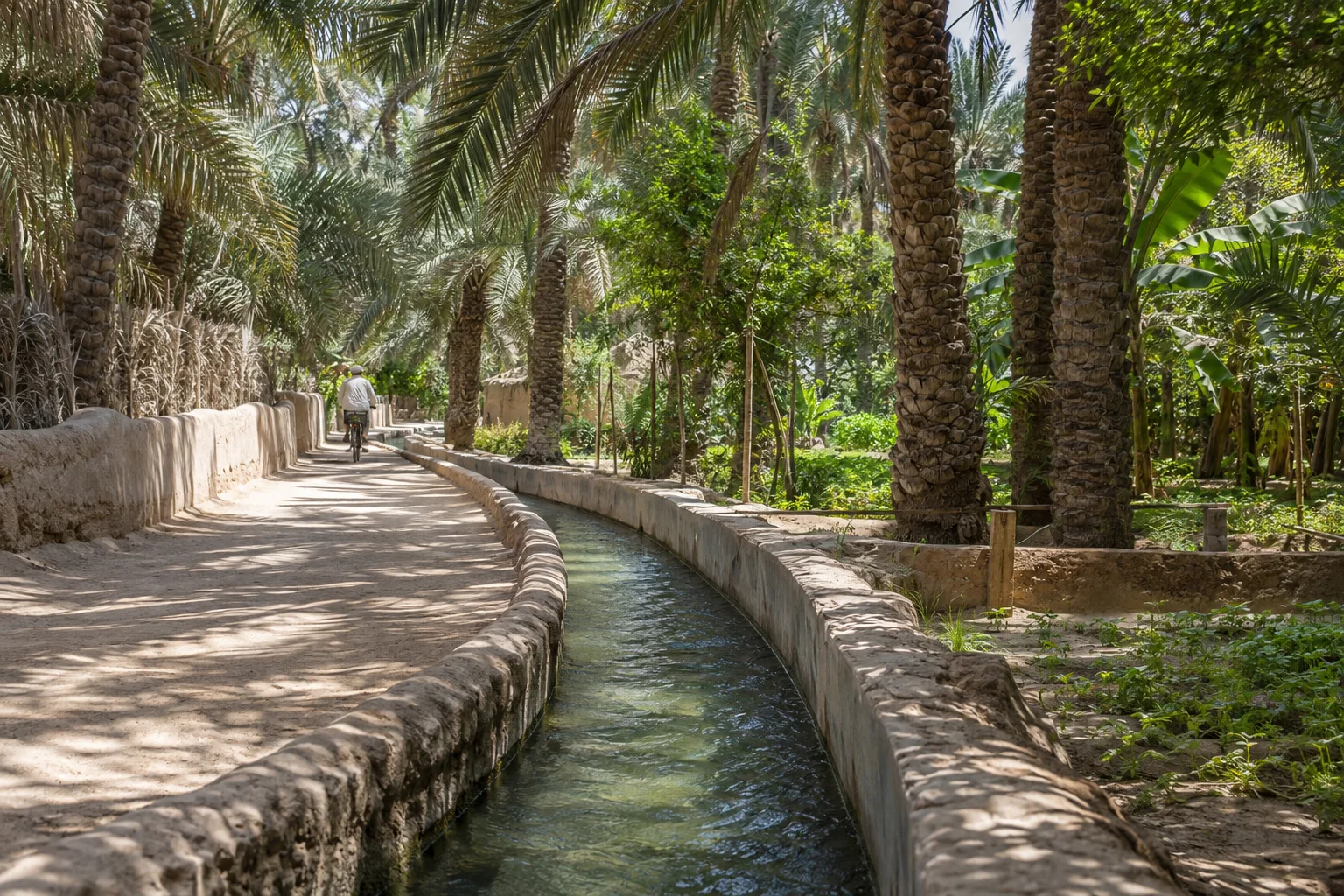
Before departure, confirm the vehicle, fuel, road, weather, trail or activity, and return time. Download the route. Use the Ras Al Khaimah place page and UAE collection for context, then continue inland with the Al Ain guide or south to the creek-side souks in the Dubai Creek guide.
The best visit separates mountain ambition from coastal recovery and gives safety authority over the booking calendar.
Questions and answers
Can Ras Al Khaimah be visited without a car?
Resorts and taxis work for a coastal stay, but mountain and heritage routes are difficult without a car, driver or organised excursion.
Is Jebel Jais cool enough for summer hiking?
Elevation can lower temperature but does not remove extreme heat, sun or dehydration risk. Follow current trail and authority advice and avoid unsafe conditions.
How many days does Ras Al Khaimah need?
Two full days allow one mountain day and one coast, mangrove or heritage day without combining long drives and high-impact activities.
Sources
Abu Dhabi · 24.4539° N, 54.3773° E
This story belongs to Ras Al Khaimah, United Arab Emirates. Seven emirates connected by trade and rapid change, with different identities shaped by creeks, islands, oases, mountains, coast and desert.