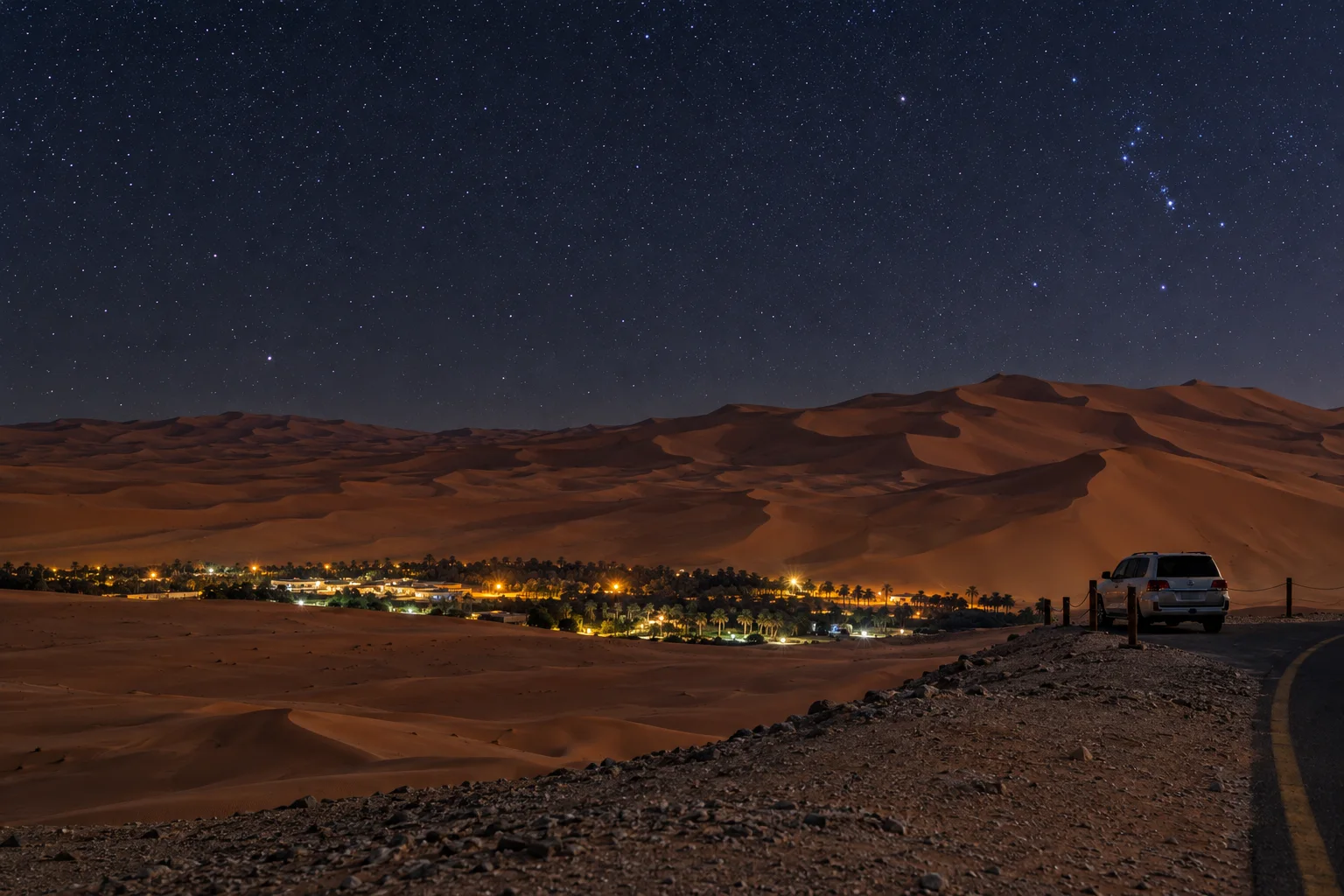
The United Arab Emirates is often represented by Dubai's towers, but each emirate has its own history. Dubai grew from a Creek port, with Al Fahidi Fort dating to about 1787. Sharjah was named Cultural Capital of the Arab World by UNESCO in 1998. Ajman joined the federation on 2 December 1971 and Ras Al Khaimah, the last of the seven, on 10 February 1972. Al Ain's Cultural Sites became the UAE's first World Heritage Site in 2011, and the Hajar Mountains rise behind the east coast at Fujairah.
Emirates and landscapes
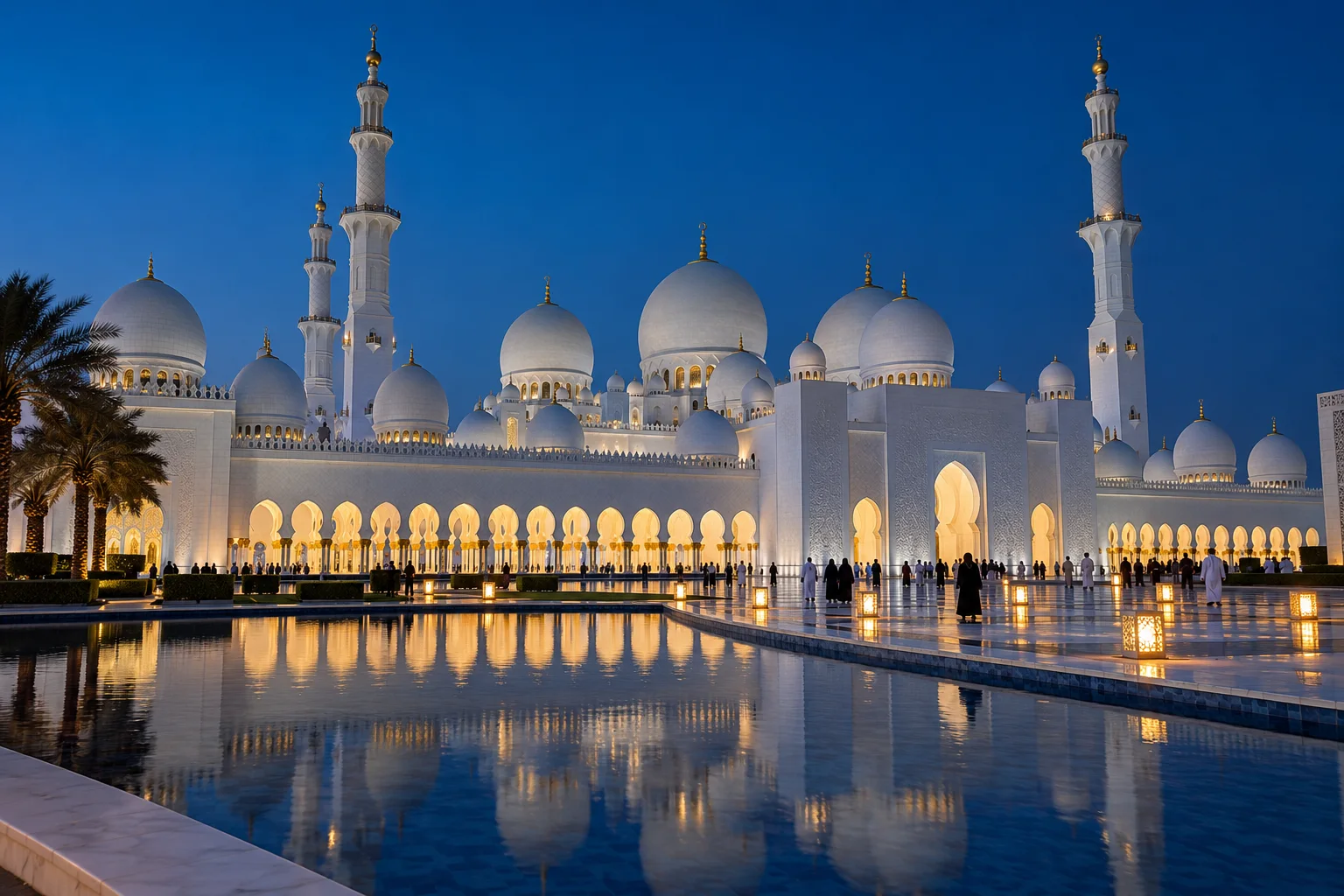
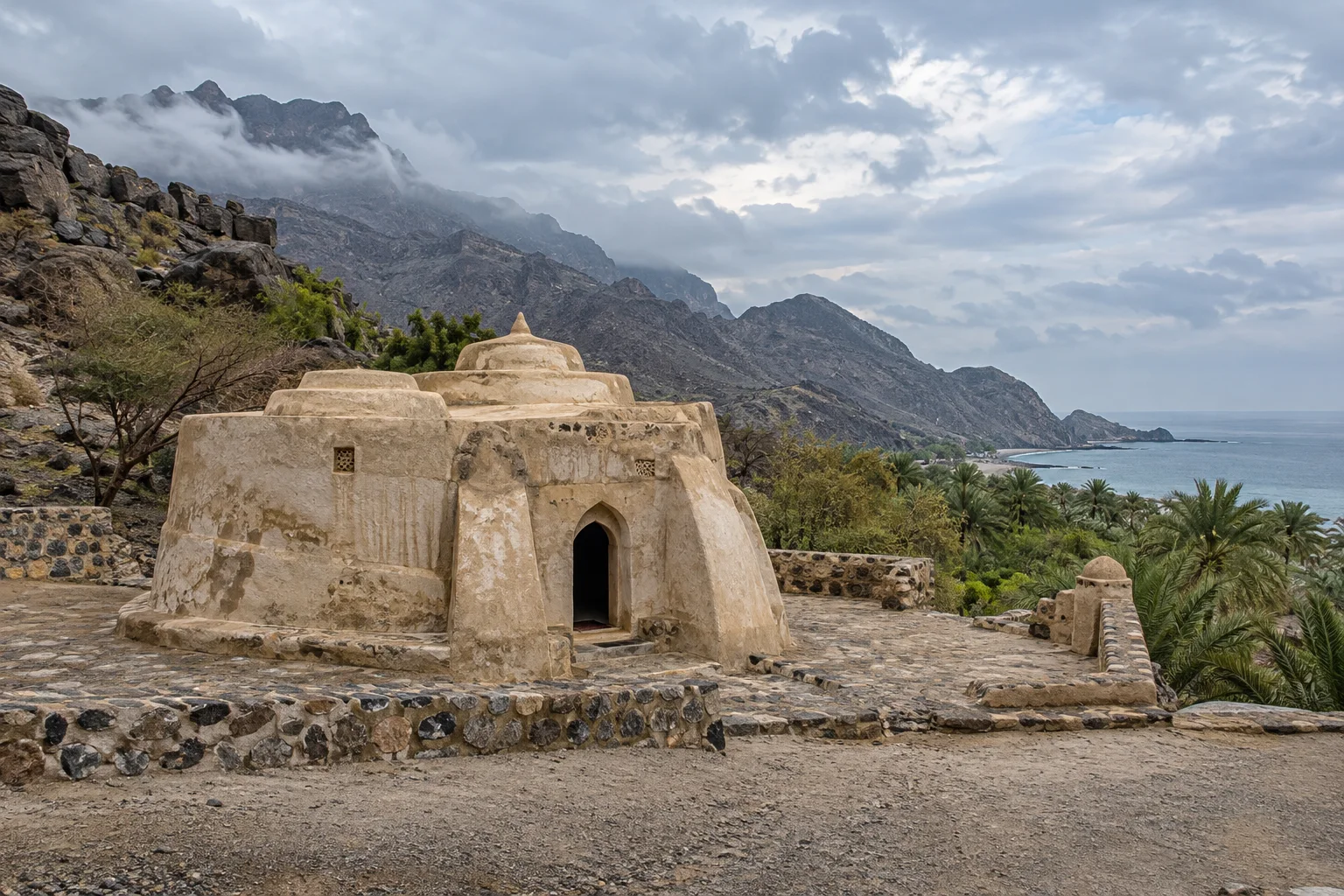
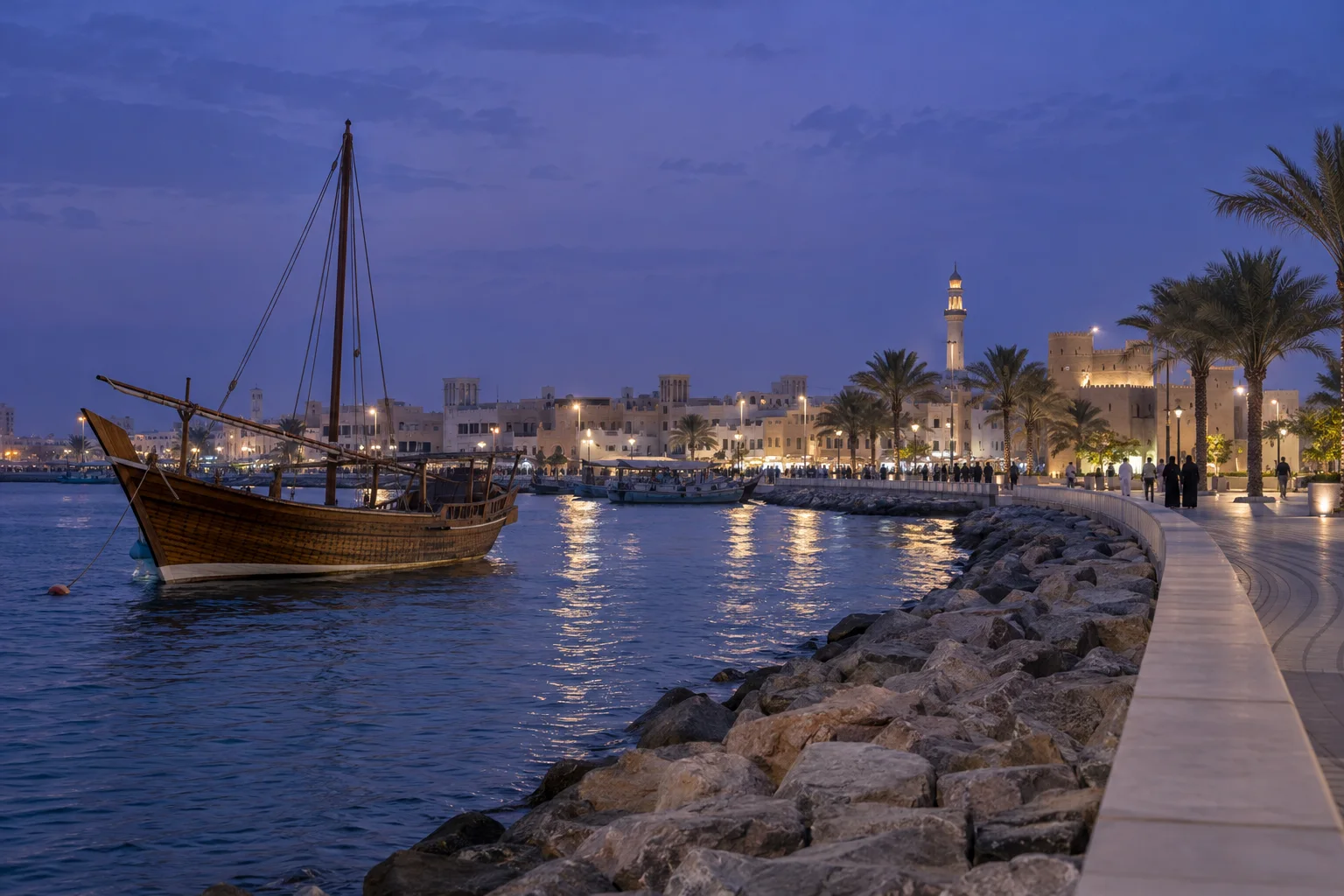
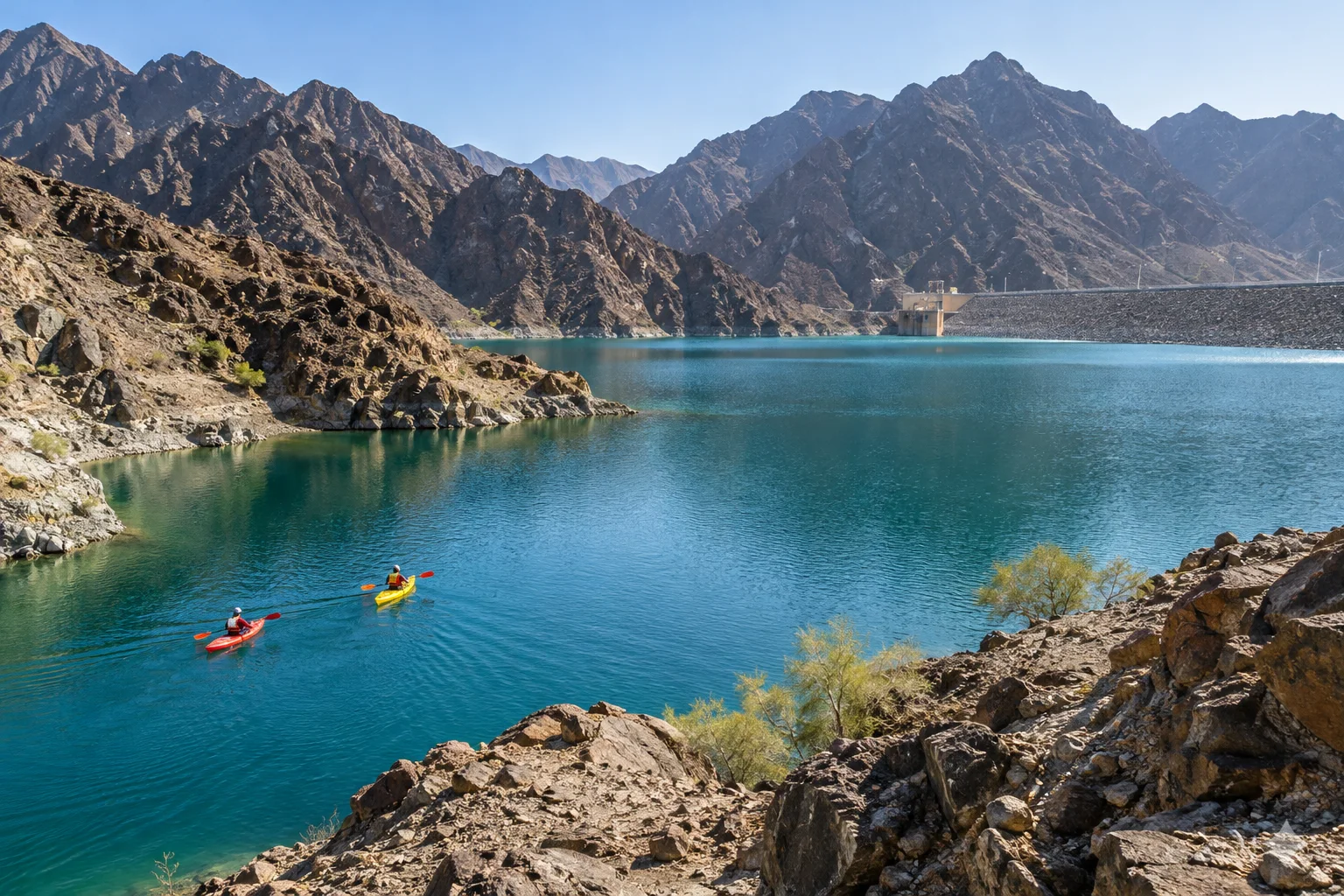
On the coast, Dubai and Sharjah have creeks and heritage quarters, while Abu Dhabi is an island capital. Small northern emirates include Ajman, Umm Al Quwain and Ras Al Khaimah. On the Gulf of Oman, Fujairah meets the mountains. Inland, Al Ain and Liwa Oasis explain settlement in the desert, and Hatta is a mountain exclave of Dubai.
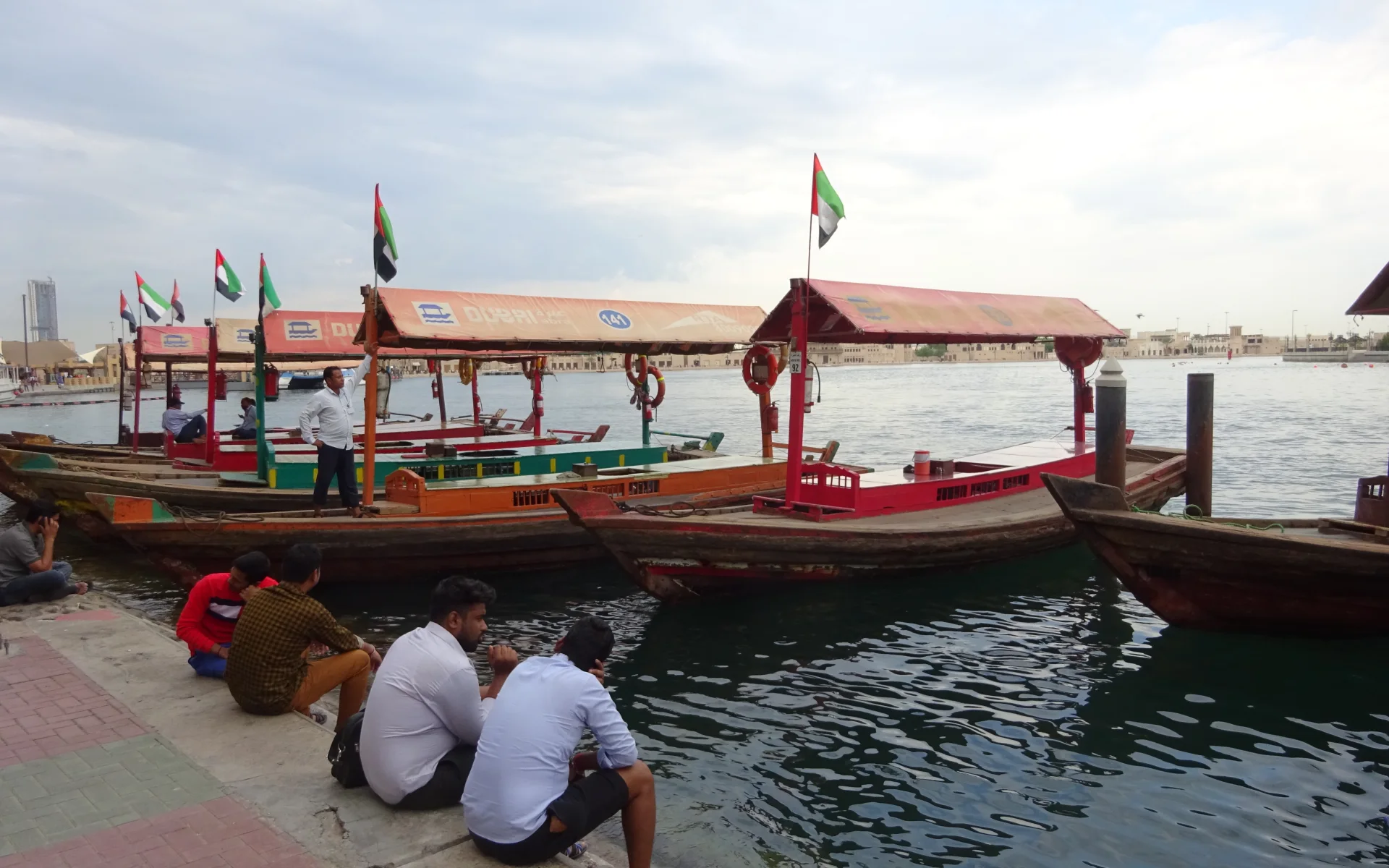
Pearling boats, dhows from India and East Africa, Al Fahidi Fort of about 1787 and wind-tower houses explain the port city that modern Dubai grew from.
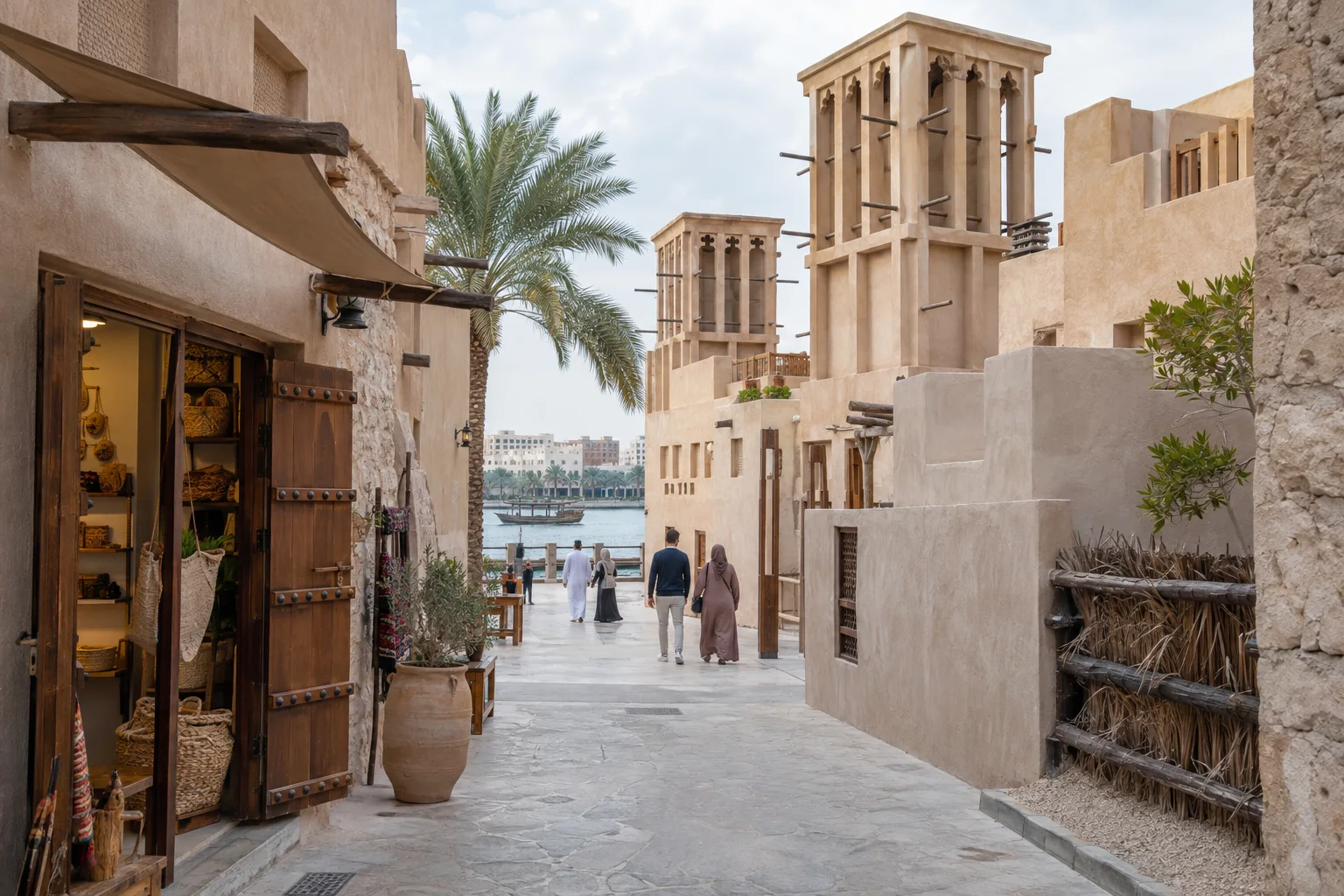
A focused Sharjah route connecting its restored trading district and serious museums while respecting the emirate's distinct identity and public rules.
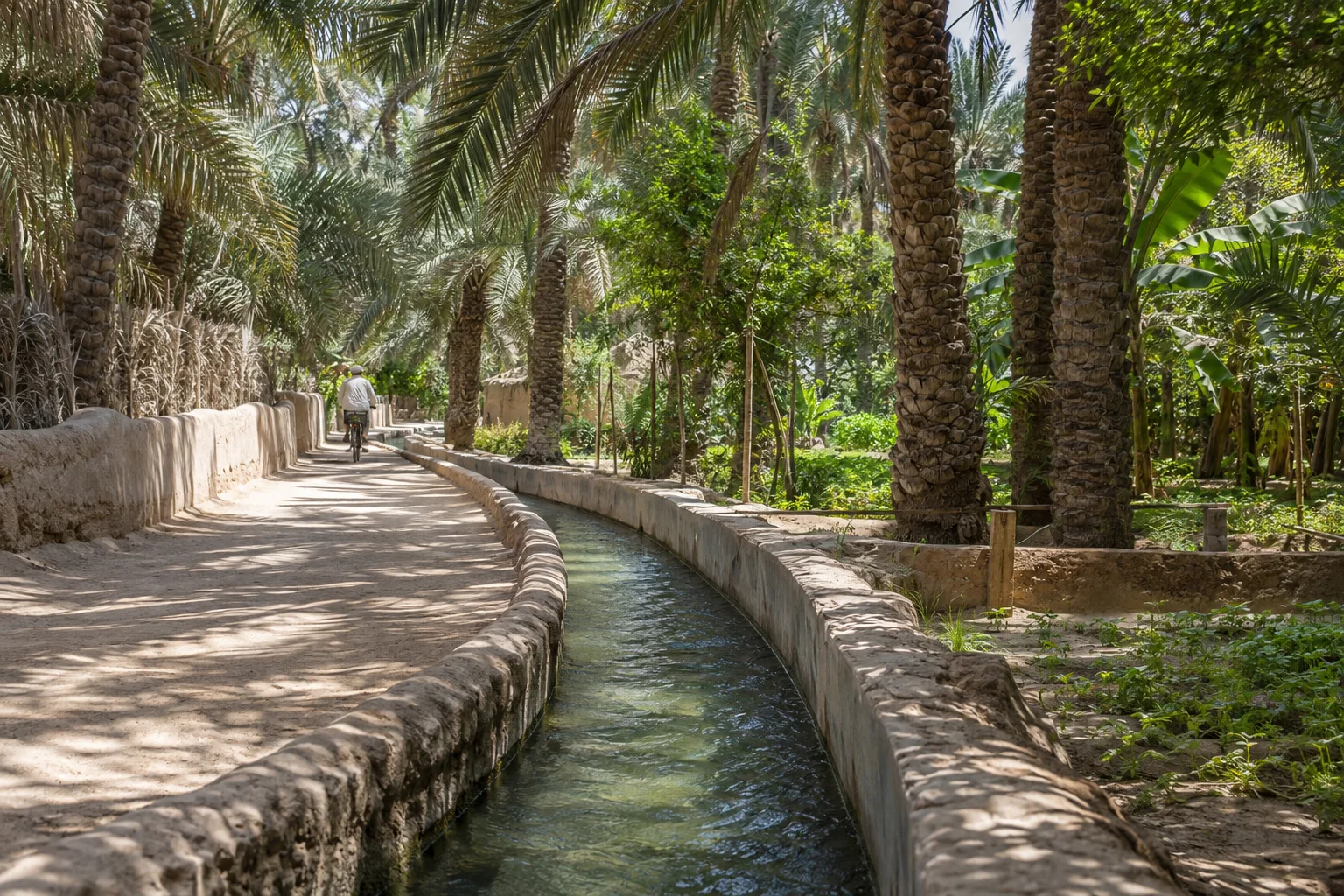
Beehive tombs on Jebel Hafit, a 1,200-hectare oasis with 147,000 date palms and falaj channels about 3,000 years old make Al Ain one of the oldest settled places in Arabia.
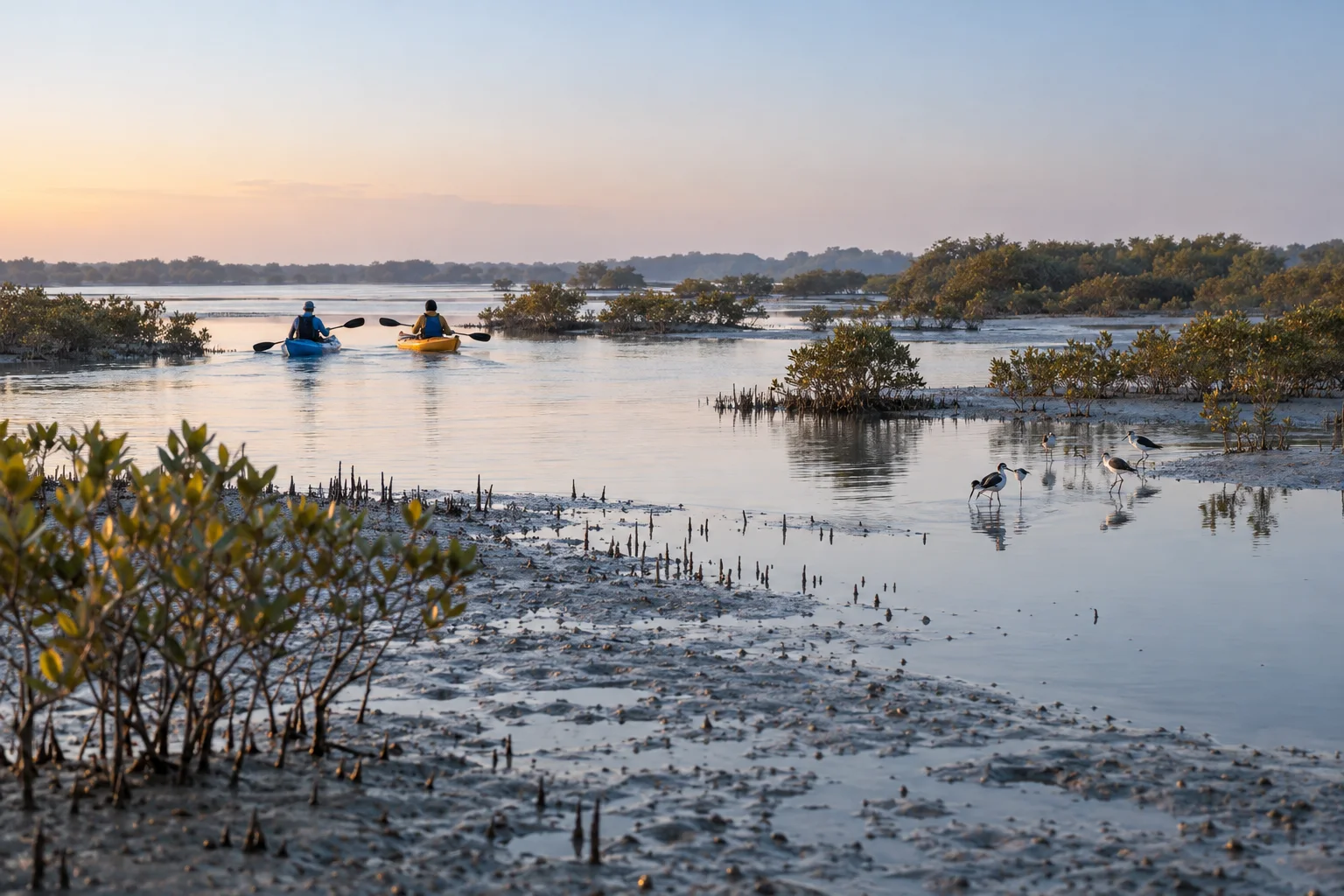
An 18th-century fort that sheltered the ruling Al Nuaimi family until 1970, a dhow-building coast and a Ramsar-listed mangrove make Ajman's small waterfront rich in stories.
A two-day Liwa plan that treats the oasis as a long arc of settlements and makes distance, vehicle preparation and desert safety part of the experience.
· 5 min read
Want a guide for your part of United Arab Emirates?
Tell us the city, state or region. Reader requests help us choose which thoroughly researched guide to prepare next.
Letters from the places we carry
One short, occasional email with a useful new guide, a place story and notes on what we have updated.