Hatta Mountain, Dam and Trails: A Safety-First Guide
A two-day Hatta plan that treats trail grade, weather and transport as seriously as the reservoir view and outdoor activities.
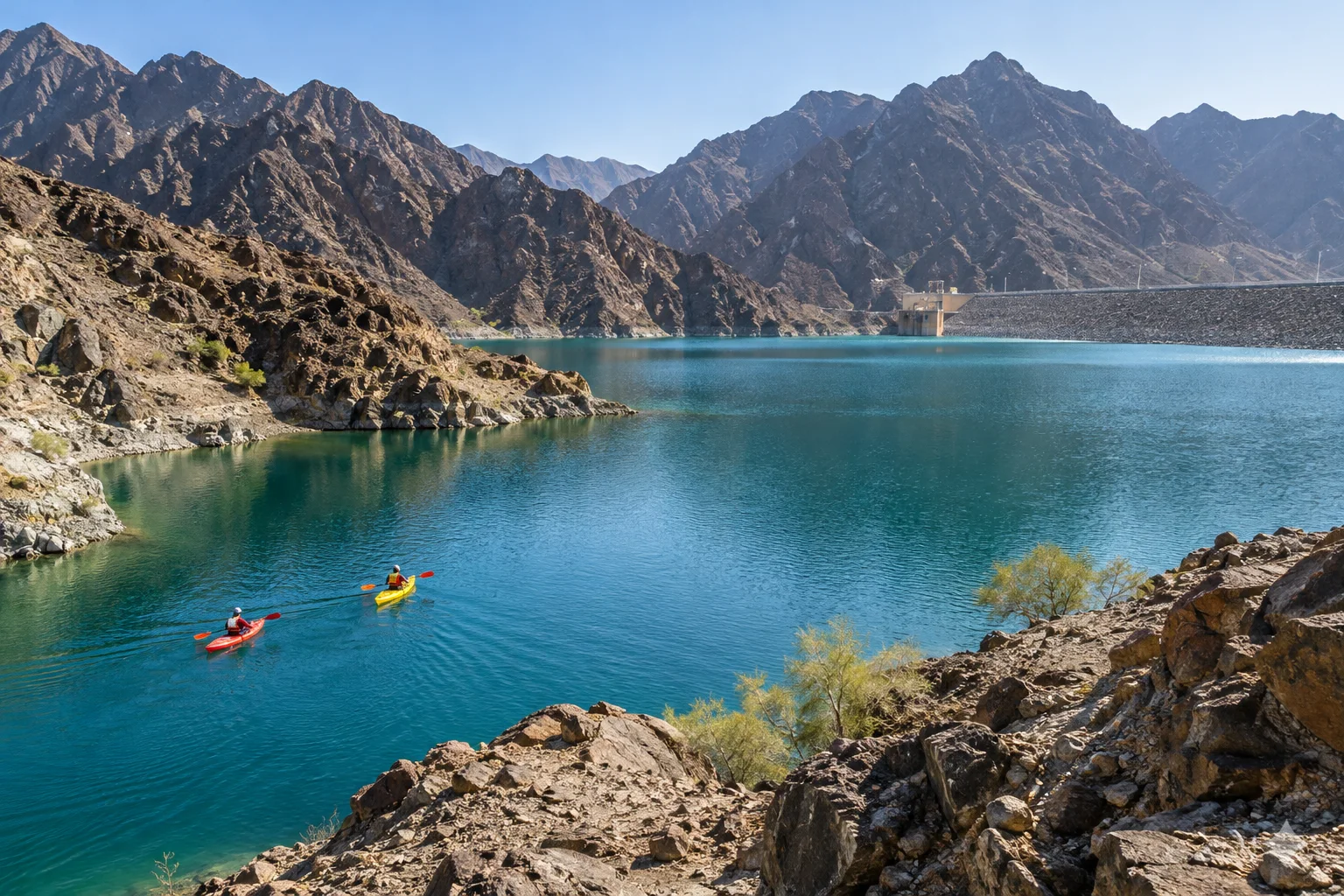
Cover: AI-generated illustration. © ANUSHKA DAHANAYAKE (PVT) LTD.
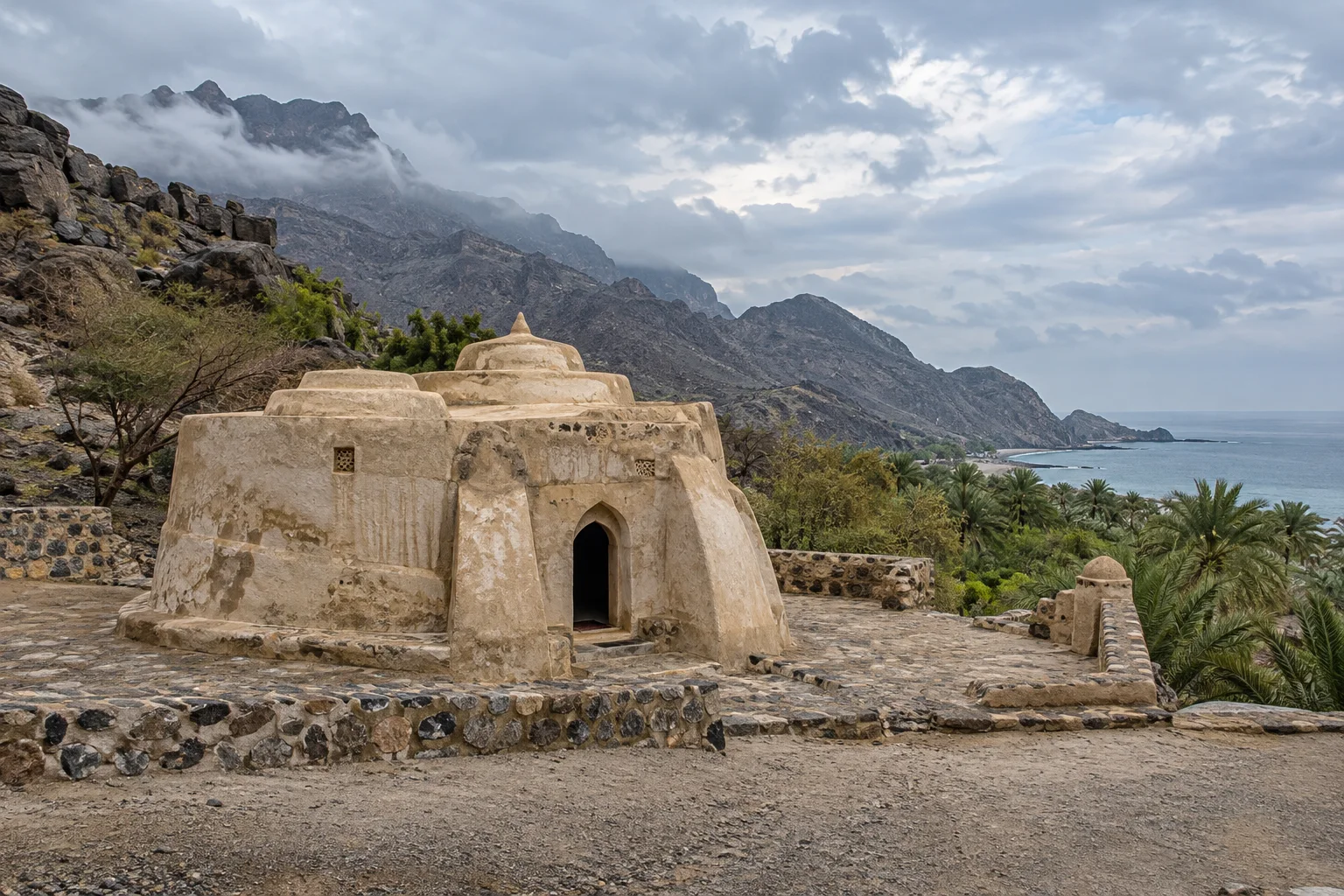
Hatta is a mountain exclave of Dubai near the Oman border, not a suburban extension of the coastal city. Its reservoir, trails, heritage village and activity hub are spread across rocky terrain. A successful visit chooses one demanding outdoor activity per half-day and preserves a safe return.
Build the complete journey
The drive from Dubai crosses other emirates and takes roughly 90 minutes in good conditions. Visit Hatta's transport page identifies the H02 express bus from Dubai Mall to Hatta Main Bus Station and the H204 local visitor service; it says the H02 accepts Nol payment. Confirm both current schedules, the location of your activity and the final return before departure. Do not assume the last bus waits for a delayed kayak or hike.
Drivers should use the official route, keep fuel and avoid border approaches not included in the plan. Some map routes may involve different roads or documentation. Rental insurance rarely permits casual off-road travel.
Accommodation ranges from village stays to mountain resorts and camping. Check how luggage reaches the room, whether a buggy is required and what food remains available after activity closing. Basic Wi-Fi can be unreliable among the mountains.
Day one: choose the trail, not the photograph
Visit Hatta's hiking page provides a colour-coded trail map and asks hikers to match the grade to their ability. Match distance and route to the least experienced person, current heat and daylight. Carry the official map, charged phone, water, food, sun protection, basic first aid and a light. Tell someone the route and return time.
Rocky surfaces demand closed footwear with grip. Do not begin a harder route because the first kilometre feels simple. Groups stay together and turn around together. Follow signs, closures and staff direction; an online track can be outdated after rain or maintenance.
Summer and midday heat can cause rapid illness. Elevation does not make Hatta cool enough by default. Headache, nausea, dizziness, confusion or stopped sweating require immediate cooling and emergency help. Start early or replace the hike.
Rain changes wadis quickly. Flash flooding can arrive from another valley. Never enter flowing water, camp in a drainage channel or continue because other visitors do. Activities may close, and personal-risk wording is not a recommendation to proceed.
Day two: reservoir and heritage
Hatta Kayak lists kayaks and other craft with separate age, weight and capacity limits. Check the chosen craft's current rules and operating status before travel; do not assume Wadi Hub activity bookings cover the dam operator. Keep the lifejacket secured, follow staff boundaries and stay away from dam infrastructure. Phones and cameras need secure waterproof storage.
Wind can increase effort on the return. Children require direct supervision and the exact approved craft. Do not stand, race, swim from the kayak or approach cliff edges. If the operator pauses activity, accept the decision.
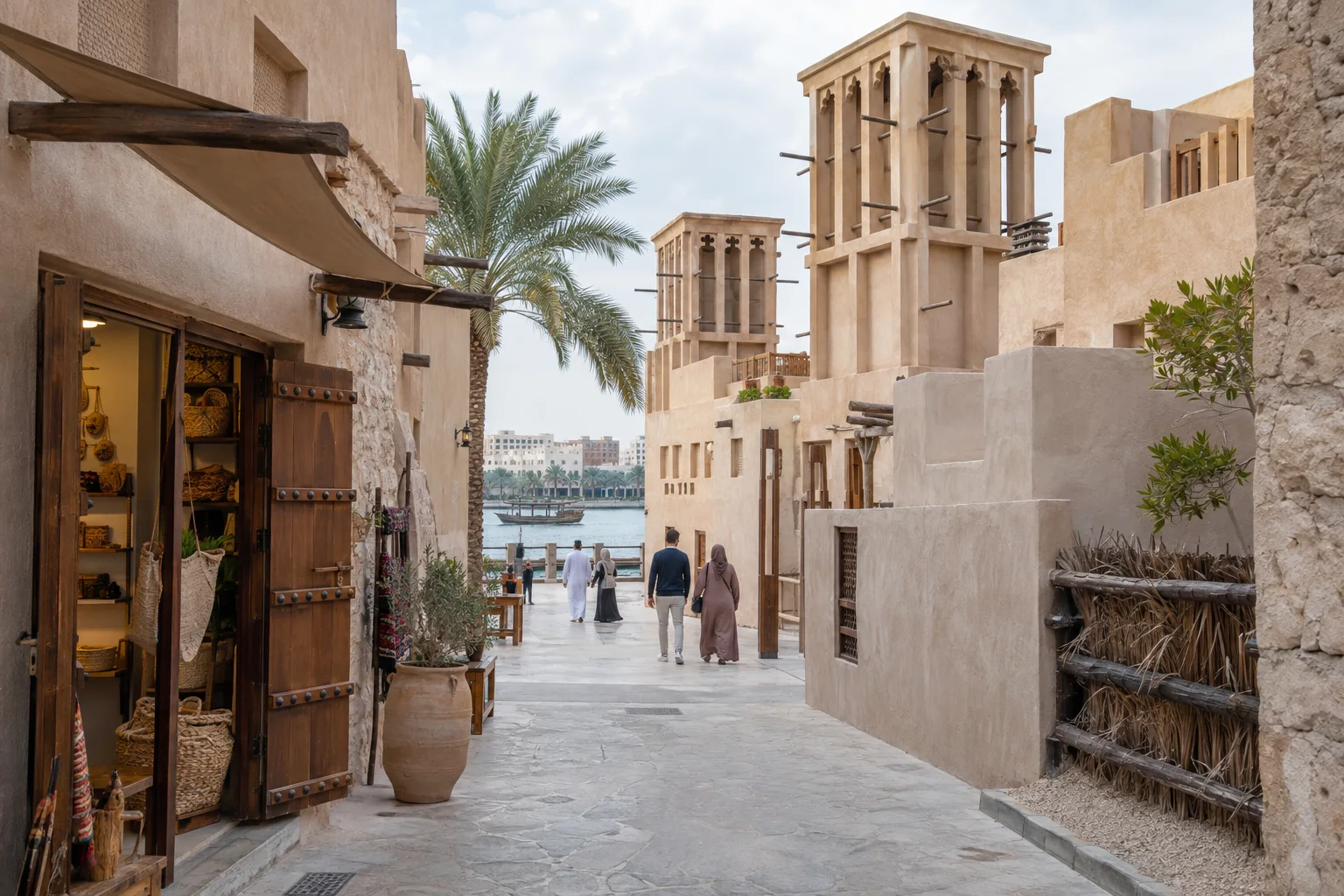
Pair water time with Hatta Heritage Village or a farm-focused visit when open. The village, restored and opened to visitors in 2001, is built around Hatta Fort of 1896, a residence and defensive post with an 11-metre watchtower, and excavations nearby point to settlement here thousands of years old. The reservoir itself is newer: the dam dates from the late 1980s, and it now anchors a pumped-storage hydroelectric project described as the first of its kind in the Gulf. Restored buildings require the same respect as active homes: stay on public routes, dress modestly and ask before photographing people. Falaj channels serve water and agriculture; do not enter or block them.
Beekeeping or food visits should explain the producer and process. Allergies matter around live bees and honey products. A branded shop is not proof every product was made locally, so read origin labels.
Outdoor activity is not one product
Mountain biking, rope courses, archery and other Wadi Hub activities have separate age, health, equipment and operating seasons. Select one based on ability. Ask who supervises it, what protective equipment is included and what happens after weather cancellation.
Do not combine a hard hike with high-impact activities because a day pass exists. Fatigue reduces judgement. Parents should check height and age limits before promising an activity and keep an alternative that does not frame safety rules as disappointment.
Camp with permission and preparation
Use designated camping grounds or current authorised areas. Book where required and identify toilets, waste and fire rules. Never pitch below unstable rock, in a wadi or beside a road. Secure equipment against wind.
Follow fire and barbecue restrictions. Bring only the equipment allowed, extinguish everything, and take waste out. Food scraps attract animals and are still litter. Quiet hours matter to residents and other campers.
Night temperatures can fall sharply after hot days. Carry an insulating layer, reliable light and enough water. A car is shelter only when safely parked and ventilated; never run it in an enclosed space.
Spend in the local mountain economy
Choose locally operated guides, cafés, farms and producers when quality and safety are clear. Ask whether an activity employs Hatta residents and how group size is managed. A low-cost reseller may add uncertainty when weather changes.
For a keepsake, ask who made it, where it was produced and whether the seller can explain its connection to Hatta. A named local maker offers more context than a generic mountain print. Ask for a receipt, especially for food, honey or higher-value craft items, and check any packing or import restrictions before travelling onward.
Prepare for an incident before the trail
Save the local emergency numbers and identify the nearest staffed facility. A screenshot of the trailhead, route colour and last junction can help describe location when signal returns. Carry personal medication and tell the group where it is. Asthma, diabetes, heart conditions and severe allergies should influence route choice.
If someone is injured, protect them from sun and further rockfall, call for help and avoid unnecessary movement. Do not send one person alone to find the car unless the group has a clear plan. A social-media post is not an emergency call.
Respect farms, water and residents
Hatta is a living community. Do not park across farm gates, enter date groves, pick fruit or fly drones over homes. Water channels and reservoirs are infrastructure as well as scenery. Keep soap, food and waste out of them.
Ask people before portraits and follow UAE rules around official facilities. A heritage building, old vehicle or farming tool may have an owner even when it appears unattended. Buying from a named farm or local entrepreneur is more valuable than treating private land as a free attraction.
Before departure, check transport, weather, trail grade, activity status, water and return time. Download the map. Use the Hatta place page and UAE collection for context. Continue through the Umm Al Quwain guide for a low, tidal landscape, or to the Fujairah east coast guide for the mountains' seaward side.
Hatta is rewarding when one safe mountain experience matters more than finishing a list.
Questions and answers
Can Hatta be visited without a car?
Current RTA services connect Dubai with Hatta and local visitor stops, but travellers must verify schedules, activity locations and the final return.
Is Hatta suitable for summer hiking?
Mountain elevation does not remove extreme heat. Follow current official guidance and avoid hiking when temperature, hydration or daylight make it unsafe.
Do visitors need to book Hatta activities?
Booking methods and seasons vary by operator. Check the exact activity, age and weight rules, opening status and weather policy before travel.
Sources
Abu Dhabi · 24.4539° N, 54.3773° E
This story belongs to Hatta, United Arab Emirates. Seven emirates connected by trade and rapid change, with different identities shaped by creeks, islands, oases, mountains, coast and desert.