Charleston: America's First Historic District, Walked
Charleston's 1670 founding, pioneering 1931 preservation law, Gullah Geechee crafts and the full story of its port, with a two-day walking route.
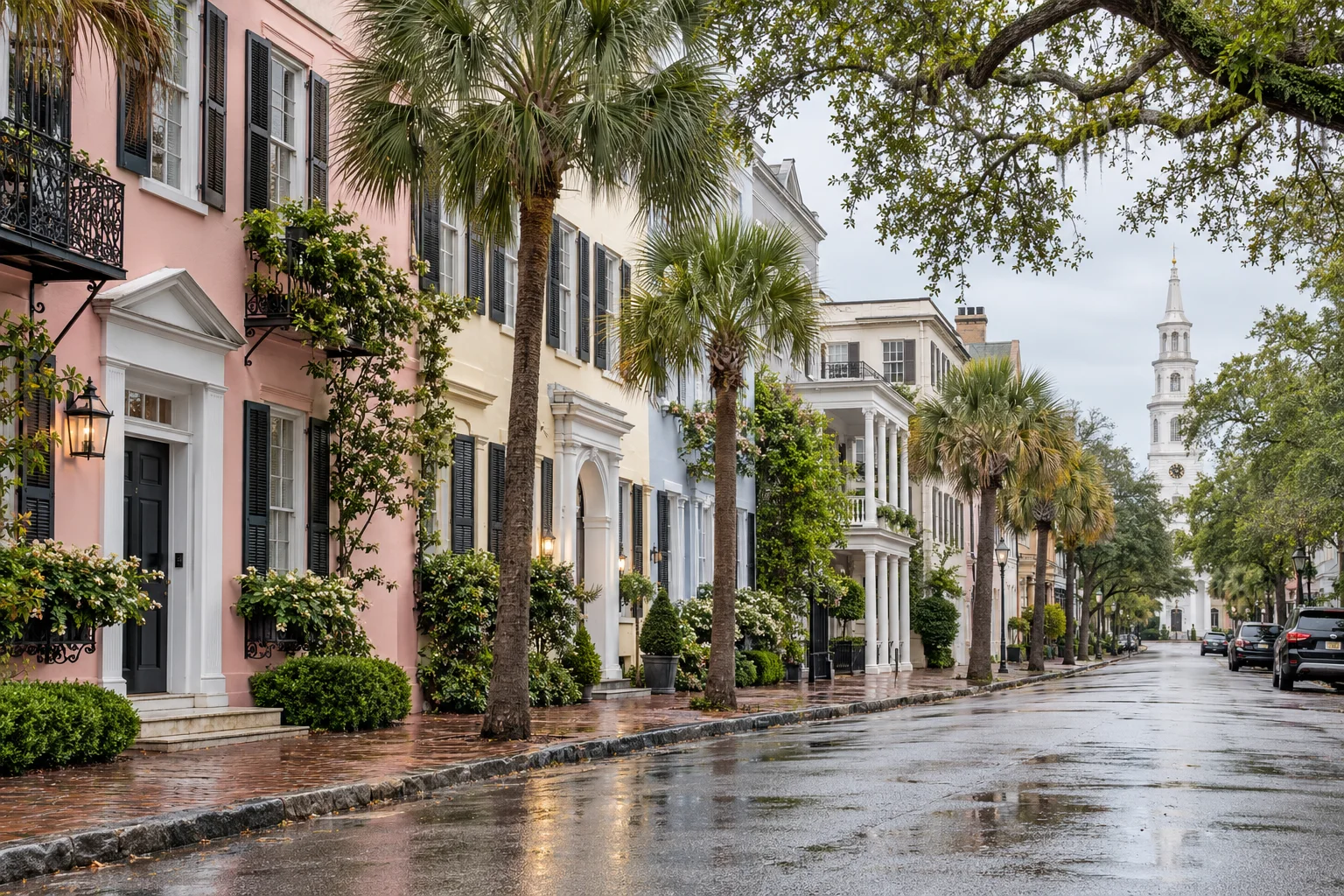
Cover: AI-generated illustration. © ANUSHKA DAHANAYAKE (PVT) LTD.
Charleston is a city that decided early to keep itself. Founded as Charles Town in 1670, it became the first place in the United States to protect a historic district by local law, and its streets still hold the houses, churches and markets of a colonial port. That beauty rests on a harder history: rice and trade wealth built on enslaved labour, and a Gullah Geechee culture whose crafts and cooking shaped the Lowcountry and survive today.
From Charles Town to the first historic district
English settlers founded Charles Town in 1670 on the west bank of the Ashley River and moved the settlement to the peninsula around 1680, where the city stands now. The name became Charleston in 1783. The Charleston Library Society opened what is described as the first museum in America to the public in January 1773, a collection that continues as the Charleston Museum.
The later story is one of preservation. On 13 October 1931 the city council ratified a zoning ordinance creating the Old and Historic District, the first historic district protected by local legislation in the United States, along with a Board of Architectural Review. The rule is the reason the pastel houses of Rainbow Row, the church steeples and the merchants' townhouses survived into an age of redevelopment, and other American cities later copied the model.
The harder history and the people who carry it
Gadsden's Wharf, now the site of the International African American Museum, was the largest single point of entry into North America for enslaved Africans in the late eighteenth and early nineteenth centuries; historians estimate that around 40 percent of enslaved people brought to what became the United States arrived through Charleston. The museum opened in June 2023 and sells timed-entry tickets, closing on Mondays, so check its current schedule. The African Ancestors Memorial Garden is free and open to the public.
Gullah Geechee communities, descended from enslaved West Africans on the Sea Islands and the coast, kept language, food and craft traditions alive. Congress recognised the Gullah/Geechee Cultural Heritage Corridor in 2006, the same year South Carolina named the sweetgrass basket its official Lowcountry handcraft. The coiled baskets, woven from sweetgrass, bulrush and palmetto, carry West African technique. At the City Market and on roadside stands in Mount Pleasant, buy directly from a maker, ask respectful questions and accept that handmade work commands a real price.
Lowcountry food tells the same story. Rice, okra, seafood and benne (sesame) trace African, Caribbean, Indigenous and European threads, and a good restaurant or food tour will acknowledge that lineage. Ask about seasonal availability instead of demanding a famous dish when it is not at its best.
Fort Sumter and the start of the Civil War
At 4:30 a.m. on 12 April 1861 Confederate batteries opened fire on the Union garrison at Fort Sumter, and after a 34-hour bombardment the garrison surrendered. The fort requires a concession ferry ticket, even though the National Park Service charges no entrance fee for the fort itself, so plan around the ferry schedule and weather. Charleston's harbour shaped the city from its 1670 founding, and the fort stands on that same water, which links the port history in the earlier sections to the war that followed.
Two days on the peninsula
Day one starts at the International African American Museum, then works south through the historic centre toward the City Market and Rainbow Row. Use CARTA's free DASH shuttle for part of the distance, and check the current maps and schedules for the stop nearest your next destination. Rainbow Row is a residential block, not a studio set: stay on the public pavement and never lean on gates. Use the afternoon for one focused institution such as the Charleston Museum or the Old Exchange, and read how each site interprets enslaved labour and domestic life before you choose.
Day two begins south of Broad before the streets fill, at the Battery and White Point Garden, with its views over the harbour. Add the Gibbes Museum for American art in a Southern context, or a Gullah Geechee-informed tour, checking who tells the story and where the money goes. Finish on King Street, favouring local art, books and maker work over copied symbols.
Charleston's wartime story has a second, stranger chapter. On the night of 17 February 1864 the Confederate submarine H. L. Hunley sank the USS Housatonic off the harbour, the first successful combat submarine attack in history, and then vanished with its crew of eight. Raised in August 2000, the Hunley now rests in a chilled-water tank at the Warren Lasch Conservation Center in North Charleston, where scientists still study why it was lost. Viewing is usually limited to certain days, so confirm the schedule with the Friends of the Hunley before travelling.
A third day allows Fort Sumter or a beach. Sullivan's Island, Folly Beach and Isle of Palms have different access, parking and facilities, so pick one. Plantation sites need the most careful selection: choose a tour that centres enslaved people and the source of the wealth over one that romanticises a house and garden, and never use burial grounds or cabins as photo backdrops.
Water, heat and getting around
Charleston floods from heavy rain, high tides and storms, and depth is hard to judge. Never drive or walk around a closure; the city's Living With Water page links to live tide and road-closure tools. Summer demands early walks, midday indoor time and water, thunderstorms bring lightning risk, and hurricane season calls for flexible bookings and attention to official evacuation guidance. Mosquitoes are active in warm, damp weather.
Flat does not mean easy. Cobbles, brick, roots, narrow pavements and historic thresholds are barriers, so ask each attraction about step-free entry. Horse-drawn carriages, bicycles and delivery vehicles share tight streets; give working animals distance. Accommodation on the peninsula cuts transport but costs more, while Mount Pleasant and the beaches need a bridge or causeway trip. Check lift access and flood procedures before booking.
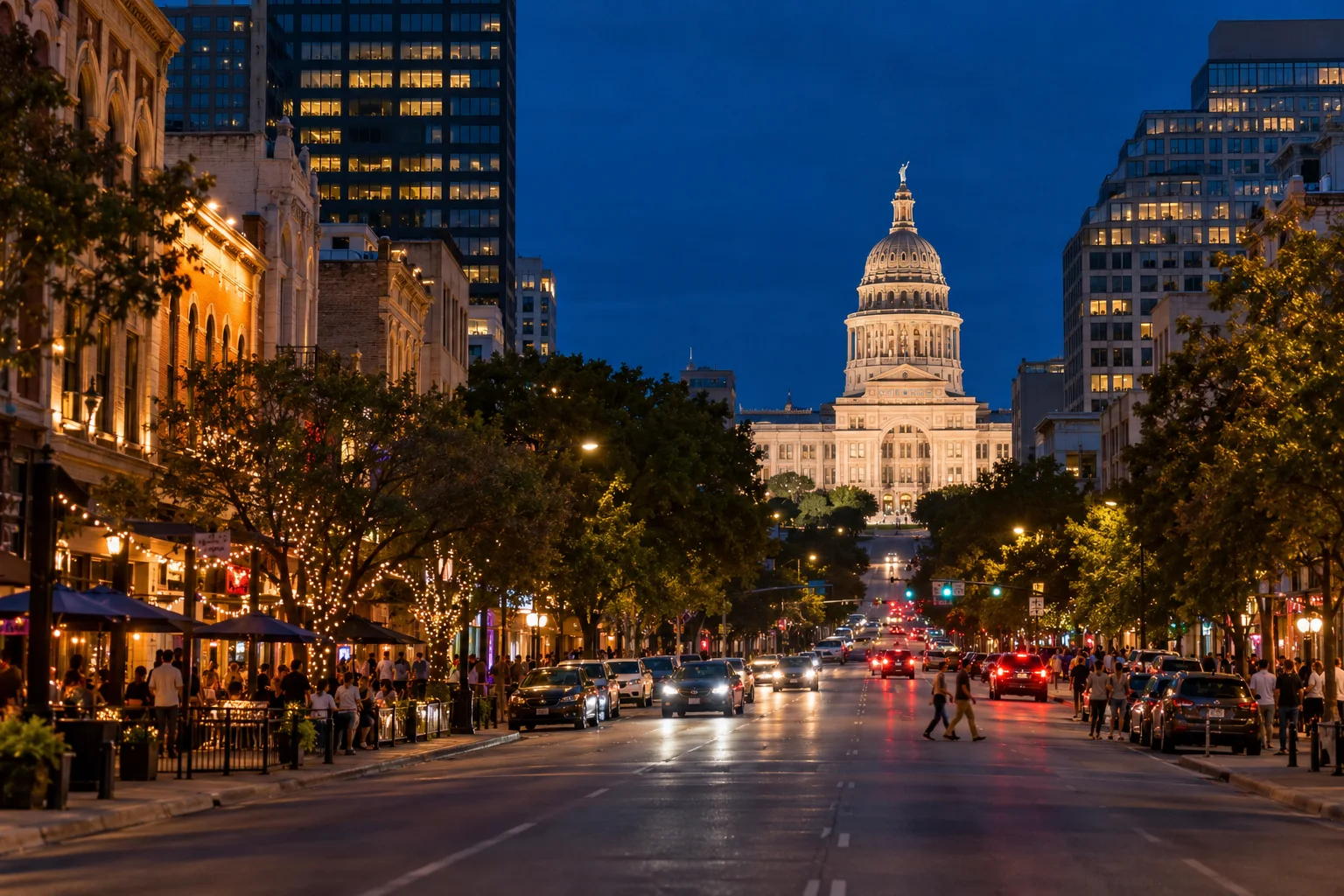
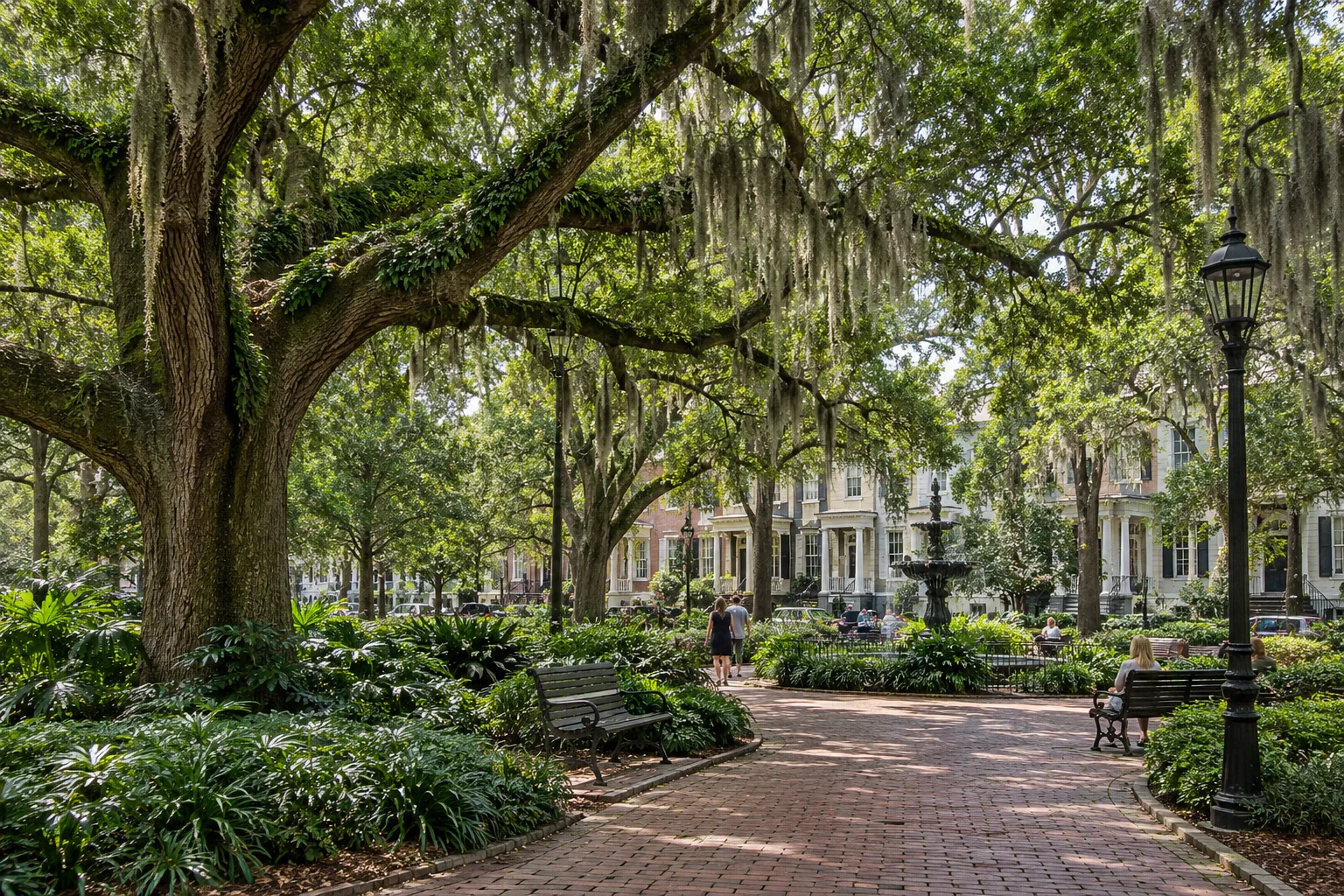
Continue exploring American place identity through our United States hub, compare another layered port city in the New Orleans guide or the nearby squares of our Savannah walking guide, read what makes the United States special, or switch to live-music planning with our Austin weekend guide.
Questions and answers
Is Charleston's historic district walkable?
Yes. Many central attractions are close together, and the free DASH service can reduce walking, but heat, cobbles, broken surfaces and flooding affect routes.
How many days should a first Charleston visit include?
Two full days cover the peninsula's major history and waterfront; a third day allows a beach, island, garden or deeper museum visit.
How should visitors approach Charleston's slavery history?
Choose institutions and guides that centre enslaved people and African American history, read critically, and avoid treating plantations or historic homes as decorative backdrops.
Sources
New York City · 40.7128° N, 74.0060° W
This story belongs to Charleston, United States. A country of home towns and large ideas, from Independence Hall and the first national park to jazz, skyscrapers and volcanic islands.