Churchill Polar Bear Trip Planning: Season, Tours and Safety
A decision-first Churchill guide covering the fall bear season, remote transport, ethical tour questions and the safety rules that continue inside town.
Choose Churchill only after accepting three facts: wildlife sightings depend on chance, the community is remote, and bear-country safety continues after the tour vehicle returns to town. The classic fall trip usually needs several nights, tightly coordinated transport and a qualified operator. Book the chain in the order of scarcity—wildlife experience, accommodation, then air or rail—and keep enough flexibility for northern disruption.
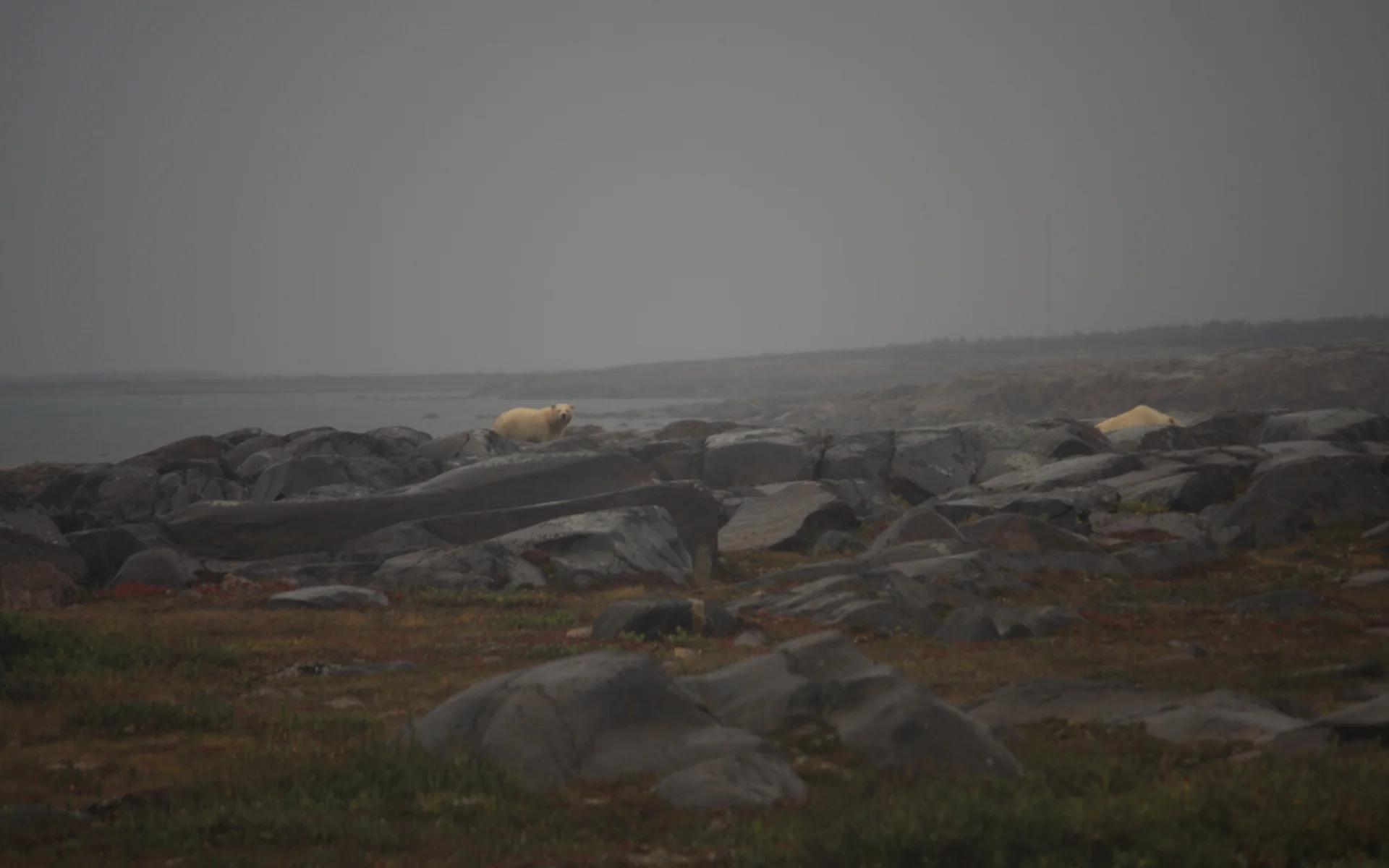
Cover photograph: a polar bear near Churchill by TravelingOtter/Wikimedia Commons, licensed CC BY 2.0. Cropped and converted to WebP.
Why Churchill matters: a fur-trade coast where bears meet the sea ice
Churchill stands at the mouth of the Churchill River on the western shore of Hudson Bay, and people have lived along this coast for a very long time. Parks Canada dates the earliest evidence of human occupation in the nearby Wapusk National Park area to about 3,000 years ago, and the languages and traditional knowledge of the local Cree are preserved in its place names. Wapusk itself covers 11,475 square kilometres of peatland and tundra, where pregnant polar bears shelter in maternity dens and give birth over the winter.
Europeans arrived by sea. Henry Hudson reached the shores of the bay in 1610, and the Hudson's Bay Company first set up a trading post at Churchill in 1689; it burned that same year and was re-established in 1717. To guard the river mouth the company authorised a stone fortress in 1730, and the first foundation stone of Prince of Wales Fort was laid on 3 June 1732. It took more than 40 years to build, and Dene and Cree Homeguards supplied the post with meat, fish and cold-weather clothing and worked as guides, couriers and trappers; Parks Canada describes First Nations peoples as crucial to the fur trade on this coast. In 1782 the French destroyed the fort. In 1930 the old Fort Churchill site was abandoned in favour of a port and townsite on the east bank of the river, and work to rebuild the stone fort began in the 1930s, once a railway into Churchill made heavy equipment available.
People in Churchill are proud of that long history and of living alongside an animal most of the world sees only in photographs. Each autumn, many Western Hudson Bay bears move north along the coast as they wait for the sea ice to form, and the whole town adjusts to their presence. That seasonal rhythm shapes every planning decision, starting with when to come.
Decide which Churchill season you are actually buying
Parks Canada explains that many Western Hudson Bay polar bears move north along the coast from late September to mid-November as they wait for sea ice. That makes autumn the best-known land-based viewing period, but the timing is ecological, not a fixed festival calendar. Freeze-up, storms and animal movement change from year to year. No responsible operator should promise a bear on a particular outing.
Summer has a different identity, including belugas, birds and tundra, with possible but less predictable bear encounters. Deep winter and spring require specialised expectations and logistics. An autumn product delivers the bear season, not the summer river experience, and each added activity should earn its place on its own merits.
Four nights can provide more than one field opportunity and room for travel disruption, but the correct length depends on the tour programme. Read what each day actually includes. Some packages bundle charter transport, lodging and meals; others begin only after independent arrival. Compare the full chain, not the headline tour price.
Choose the viewing platform by conduct, not marketing name
Large tundra vehicles, smaller guided ground transport and specialised park access offer different group sizes, sight lines, comfort and mobility. Ask the operator where it is permitted to travel, how guides respond when a bear approaches, whether guests may leave the vehicle, what washroom and heating arrangements exist, and how accessibility needs are handled.
Ethical viewing keeps the animal's behaviour ahead of the photograph. A bear changing direction, stopping repeatedly or being boxed in by vehicles is not a better encounter. Do not ask a guide to move closer, make noise for a raised head or use food to attract wildlife. Follow equipment rules and keep arms, phones and lenses within the boundary the guide sets.
Access to Wapusk National Park is controlled and remote. Parks Canada states that park access is through a licensed tour operator from Churchill. A general town tour is not permission to enter the park, and a photograph labelled “Churchill” may have been taken under very different access arrangements.
Build air or rail around the first tour, not the reverse
Churchill has no connecting public road from southern Manitoba. Travel Manitoba identifies scheduled air and VIA Rail as the independent approaches. Flying is faster but still weather-sensitive. Rail makes the remoteness visible and can be a meaningful part of the journey, but the trip is long and delays can affect a tight first booking.
Use VIA Rail's current Churchill–The Pas–Winnipeg schedule, not a copied timetable. Confirm operating days, connections, baggage and the exact arrival date. Leave a clear gap between the advertised train arrival and any essential wildlife departure. Keep medicine, warm clothing and overnight essentials accessible.
When flying, review baggage limits for every segment, particularly if the package uses a charter or smaller aircraft. Weather can delay either direction. Leave a buffer before an international connection and carry insurance that addresses remote-trip interruption, and check whether ordinary delay benefits cover every prepaid component.
Treat town as bear country
Parks Canada's bear-country safety guidance says unexpected encounters can occur anywhere, including near town. During active bear season, follow current Polar Bear Alert information and local directions. Ask the accommodation what areas and times require a vehicle or guide.
Look outside before leaving a building, travel in groups as advised, keep to well-lit open areas and never go beyond a polar-bear warning sign. Do not approach a carcass, shoreline bear or officers managing an animal. If staff use deterrents, move to immediate safety and do not interfere or film from nearby.
Outlying Parks Canada sites present high encounter risk and should not be visited without licensed guides or Parks Canada staff. Never improvise an independent walk because a map shows a road. A taxi is a safety tool, not a failure to explore on foot.
Know the current emergency process on arrival. Numbers and procedures can change, so obtain them from accommodation, guide or visitor centre; a saved article may be out of date. In any encounter, follow official instructions; do not run or assume a vehicle window makes close approach safe.
Pack for waiting, wind and a failed connection
Wildlife viewing often means long periods of scanning rather than continuous action. Dress in layers appropriate to the operator's vehicle and any outside stops, with insulated footwear, wind protection and spare hand warmth. Ask what the company provides. Overdressing inside a heated vehicle can create sweat that becomes uncomfortable outside.
Bring medication and essentials for extra days. Remote supply and baggage replacement are not as simple as in a major city. Camera users need spare batteries, protected storage and a way to manage condensation when moving between cold air and heated interiors. Binoculars may improve the experience more than a lens that encourages tunnel vision.
Respect community limits. Churchill is home, not a wildlife set. Keep private property, emergency facilities and working areas clear; ask before photographing people; and support local and Indigenous-led interpretation without treating culture as an accessory to the bear trip.
Use non-bear hours to understand the coast
The Parks Canada Visitor Centre, local interpretation and community sites can explain Wapusk, Hudson Bay ecology, fur-trade history and the continuing northern community. Confirm opening hours and guided access because operations change by season. Prince of Wales Fort and other outlying sites require the appropriate transport and safety arrangement.
Aurora may be visible on clear dark nights, but it should remain a bonus, separate from the wildlife plan. After a full cold day, sleep may be the safer choice. Keep one unscheduled half-day for weather recovery, local interpretation or simple rest.
A Winnipeg stop can organise the remote transfer and add context before the north; use the Canada destination hub and Toronto first-time visitor guide for broader Canadian routing. Give any onward flight and rail departure an appropriate buffer. Two other Canadian trips shaped by wildlife and access are covered in the Jasper guide and the Cape Breton and Cabot Trail guide.
Confirm the booking chain in this order
First, identify a reputable wildlife programme whose access, conduct and physical demands fit the traveller. Second, secure accommodation for the required nights. Third, reserve air or rail with buffer before the first field day and after the last. Fourth, obtain insurance and pack for delay. Finally, recheck operator instructions, weather and local safety information before departure.
The value of Churchill comes from witnessing a living coastal system on its own terms. A safe, patient trip may include distant bears, long quiet intervals and changed plans. That is more honest—and more respectful—than treating proximity as the measure of success.
Questions and answers
What is the main polar-bear viewing season in Churchill?
Parks Canada describes late September to mid-November as the period when many Western Hudson Bay bears move north along the coast towards forming sea ice. Exact timing and sightings vary with ice, weather and animal movement.
Can visitors walk outside Churchill independently during bear season?
Polar bears can appear in or near town. Follow current local instructions, look outside before leaving a building, avoid isolated and low-visibility areas, obey closures and use a qualified local guide or vehicle for travel beyond the safe core.
What is the history of Churchill?
Cree and Dene people knew this coast long before Europeans; Parks Canada dates the earliest evidence of people in the Wapusk area to about 3,000 years ago. The Hudson's Bay Company set up a post on the Churchill River in 1717 and began the stone Prince of Wales Fort in the 1730s, which the French destroyed in 1782.
Sources
Toronto · 43.6532° N, 79.3832° W
This story belongs to Canada. The second-largest country by area, shaped by Indigenous nations, two official languages, newcomers from every continent and a national park system begun at Banff.