Røros Winter Guide: Wooden Town, Rail Journey and Cold-Weather Planning
A cold-aware Røros guide that treats the railway, living wooden town and winter conditions as one connected planning problem.
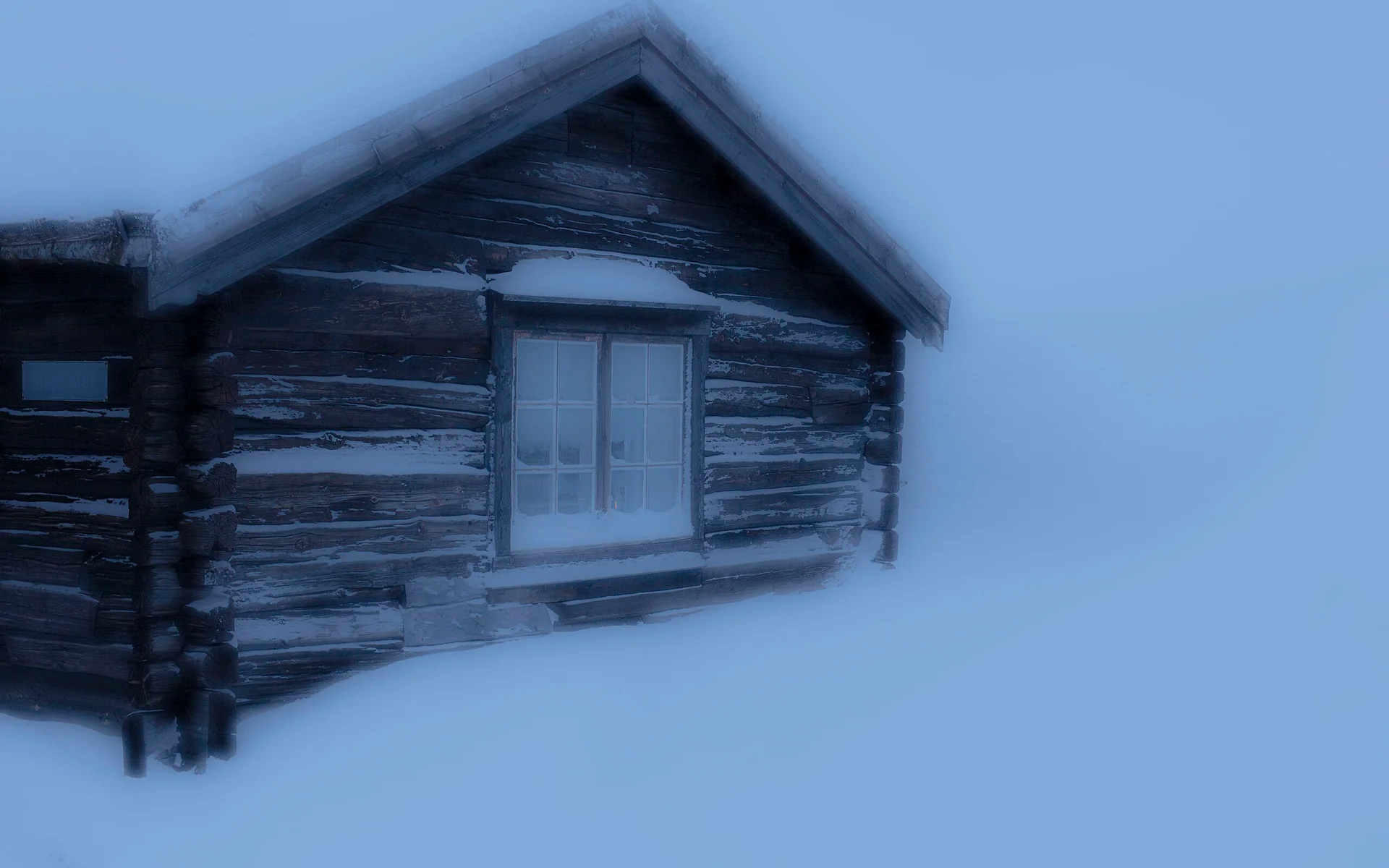
Røros in winter is not an ordinary heritage weekend with a warmer coat. The rail journey, sub-zero conditions, snow-covered historic surfaces and limited daylight must be planned together. Build the visit around short outdoor blocks and reliable warm-up points, then let the wooden town reveal itself without a cold-endurance test.
Cover photograph: “Winter in Røros” by Simon Radchenko, licensed CC BY 4.0. Cropped to 16:10 and converted to WebP; no generative alteration.
Why Røros matters: three centuries of copper in a town of wood
Røros exists because of copper. The Røros Copper Works began operating in 1644 and kept going until 1977, contributing to the country's wealth for more than 300 years. In 1646 the company received a royal privilege that gave it the right to use all the resources inside the Circumference, a circle with a 45-kilometre radius centred on the Old Storwartz mine. Ore, timber, water and the labour of the people living inside that circle were all bound to the works, as the Røros World Heritage Centre explains.
The landscape still shows that system. Forests were cut for charcoal to fuel the smelting, and when the woods around the town were exhausted, the company built the Femundshytta smelter farther away to reach fresh timber. Waterways and dams powered the work, and goods moved along Vinterleden, the winter transport route that is now part of the protected site. Farming was a major part of how families lived alongside the mining work, in a demanding upland climate.
The town centre, with its dark timber houses and slag heaps, was inscribed on UNESCO's World Heritage List in 1980. In 2010 the listing was extended to the cultural monuments and landscapes of the wider area and renamed Røros Mining Town and the Circumference, recognising that the town cannot be understood without the mines, smelter sites, farms and routes around it, as the centre's page on the Circumference sets out.
People in Røros take pride in a town that is lived in, not preserved behind glass: its wooden houses are still homes, and local food and crafts remain part of everyday life. Winter is when the place shows its character most clearly, and the most reliable way to reach it in that season is by train.
Make the railway part of the winter buffer
Røros is served by trains from the Oslo/Hamar and Trondheim directions. Use Entur and the operating company for the actual date, reservations and replacement transport. The scenic journey is part of the experience, but snow, technical issues or missed transfers can change arrival time.
Do not place an international flight or non-refundable long-distance connection immediately after leaving Røros. An overnight buffer in Oslo or Trondheim is more robust. Carry medication, a warm layer and essential chargers in hand luggage even if the main bag is checked or stored.
The Norway hub helps compare Røros with coastal and northern winter bases.
Dress for stationary time, not only walking
A forecast temperature does not describe wind, waiting or the effect of stopping for photographs. Use a moisture-managing base layer, insulating mid-layer and wind-resistant outer layer. Insulated boots need enough room for warm socks; tight footwear reduces circulation. Mittens, hat and face covering matter before the cold feels dramatic.
Carry spare dry gloves or socks and protect phone batteries inside clothing. Metal tripods and camera bodies become painfully cold. Families should check children frequently and not wait for them to report numbness.
Plan indoor stops in advance. A café, museum or accommodation lounge is a safety resource, but its hours must be confirmed. Alcohol creates a false sense of warmth and should not be used as cold protection.
Walk the mining town as a living place
Røros's World Heritage status covers the mining town and its industrial-cultural landscape. The wooden houses, slag heaps and street pattern reflect copper mining and a community that continues to live here. Residential streets are not film sets; keep entrances, snow-clearing routes and working yards free.
Begin near the centre and church, then add Sleggveien and one museum or guided experience. Ask before photographing residents, craft workers or interiors. Snow can hide kerbs, ice and uneven cobbles, so move slowly even when distances look small.
UNESCO context is more useful than a list of colourful houses. Learn how mining, farming and transport shaped settlement in a demanding environment, including the costs of extraction and labour.
Use daylight for the exposed sections
Winter daylight is limited. Put slag heaps, wider landscapes and less-lit paths around the brightest hours. Save central streets, shops and museums for later. Check civil twilight for the actual dates; a generic sunrise graphic from another month will mislead.
Ice grips may help on ordinary icy paths but do not make every surface safe; remove them indoors where they can slip on hard floors. Use a head torch outside the centre and wear reflective details near roads. Do not climb snowbanks or industrial remnants for a view.
When wind, heavy snow or poor visibility develops, shorten the route. The town can be appreciated in several small circuits instead of one long loop.
Decide whether the winter market improves the visit
Rørosmartnan and Christmas events create distinctive traditions and large demand, but they change accommodation prices, rail capacity and pedestrian movement. Verify dates through official organisers, book transport early and understand cancellation conditions.
Choose a market period only if crowds and fixed dates are part of the objective. A quieter winter stay offers easier streets and more space for interpretation. During major events, reserve meals, expect queues and keep a meeting point in case a group separates.
Never rely on a social-media announcement as a ticket. Use official sales channels and be cautious with resale. Event transport supplements may operate differently from ordinary services.
Build accessibility around current snow clearance
Røros Tourism notes that the compact centre includes cobbles, gravel and historic walkways, and that snow and ice can make access harder. Contact accommodation and attractions for the exact entrance, accessible toilet and cleared route. A summer accessibility statement does not describe a February pavement.
Arrange an accessible taxi in advance if needed. Station assistance, platform access and replacement buses should be confirmed with the rail operator. Wheelchair batteries can lose performance in cold; carry the manufacturer's winter guidance and keep charging options available.
A shorter route through the central heritage area, one accessible museum and a planned warm meal can be a complete visit.
Treat outdoor activities as operator-led decisions
Dog sledding, snowshoeing, skiing and sleigh rides require appropriate conditions, equipment and reputable operators. Check age, weight, mobility and clothing requirements before paying. An operator cancelling for weather is applying safety judgement, not spoiling the trip.
Do not walk onto ski tracks or frozen water without explicit local guidance. Darkness and drifting snow can erase route definition. For independent cross-country skiing, understand trail grading, waxing or equipment needs and the last safe return.
Keep one activity per half-day. Cold preparation, transfers and changing clothes consume real time, and exhaustion reduces judgement.
Use a two-night winter pattern
Arrival day should be light: check into accommodation, walk a central circuit and eat early. Use the full middle day for heritage interpretation plus one outdoor activity or wider landscape walk. Departure morning can hold a museum or shopping near the station.
This pattern absorbs a delayed train and allows clothing adjustments after the first outdoor period. One night can work, but it makes the stay vulnerable to transport changes. The Trondheim guide is a logical rail-side extension; the Tromsø winter guide covers a more aviation- and aurora-focused northern trip.
Eat and shop without turning the town into a backdrop
Røros has a strong food and craft identity, but opening hours can be shorter outside event periods. Reserve a necessary evening meal and keep a supermarket option for a delayed arrival. Ask what is locally made, because not every souvenir in a heritage centre comes from the region. Food allergies and dietary needs should be communicated when booking because late alternatives may be limited.
Buy from workshops that explain materials and makers, and respect requests not to photograph production. Historic buildings can contain narrow entrances, low thresholds and valuable interiors; follow staff directions and leave wet or studded footwear where requested. A considered purchase and an unhurried meal support the living community more directly than collecting images of private doorways.
Cold also changes appetite and hydration. Drink water regularly even when thirst is less obvious, and carry a simple snack on longer outdoor blocks. A café queue during a festival is not an emergency warm-up plan, so keep the return to accommodation within easy reach.
Set a cold-stop rule before going out
Agree that numb skin, persistent shivering, confusion, unusual clumsiness or wet insulation ends the outdoor block. Return to proper warmth and seek help when symptoms concern you. Do not push on to complete a route.
Check Yr, local notices and transport again each morning. Røros is most memorable when winter shapes the pace rather than becoming a contest. Rail margins, short circuits and warm interiors preserve attention for the town's mining and community history.
Questions and answers
Can Røros be visited by train in winter?
Yes. Rail connects Røros with the Oslo/Hamar and Trondheim directions, but winter disruption is possible. Check Entur and the operator, preserve transfer margins and avoid a critical same-day flight connection.
Why is Røros a World Heritage Site?
Røros grew around the Røros Copper Works, which operated from 1644 to 1977. Its wooden mining town was inscribed by UNESCO in 1980, and in 2010 the site was extended to the Circumference, the 45 km resource area granted to the company in 1646, with its mines, smelter sites, farms and winter transport routes.
Is the historic centre accessible in snow?
The centre is compact, but cobbles, gravel, historic paths, snow and ice affect mobility. Ask for current cleared routes and accessible taxi arrangements before arrival.
Sources
Oslo · 59.9139° N, 10.7522° E
This story belongs to Norway. A long coastal country where Viking-age towns, Hanseatic wharves, fishing islands and Arctic cities each hold a different history.