Mandai Wildlife Day: Choose Fewer Parks and Watch Better
A decision-first Mandai guide for selecting the right wildlife experience, moving between precincts and observing animals without rushing or harassment.
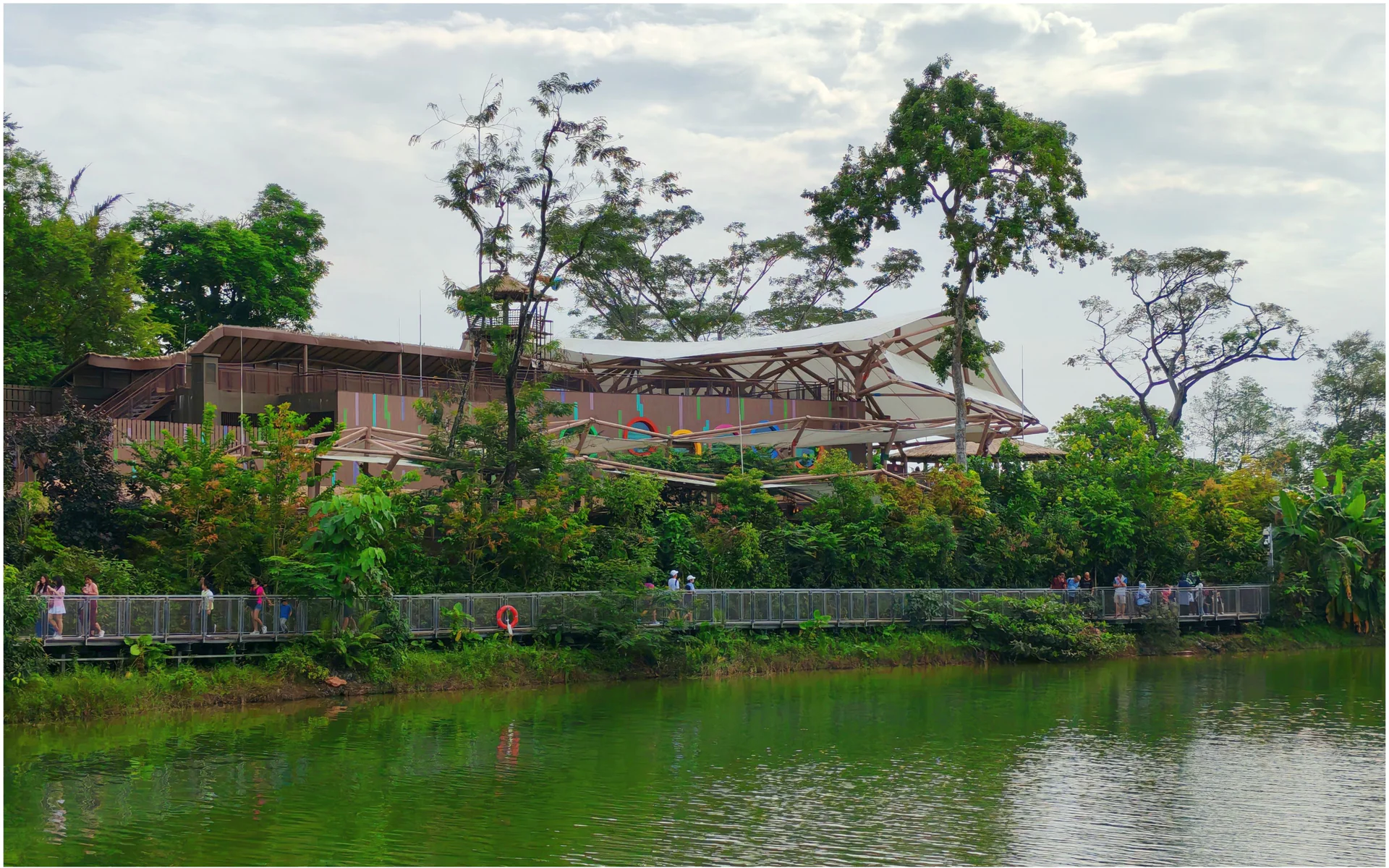
Mandai is no longer a single “zoo stop”. Its wildlife parks and supporting attractions occupy a growing reserve with separate admissions, large walking distances and East–West precinct decisions. The visitor who chooses one park and watches animals patiently will usually learn more than the visitor who buys several gates and spends the day checking the time.
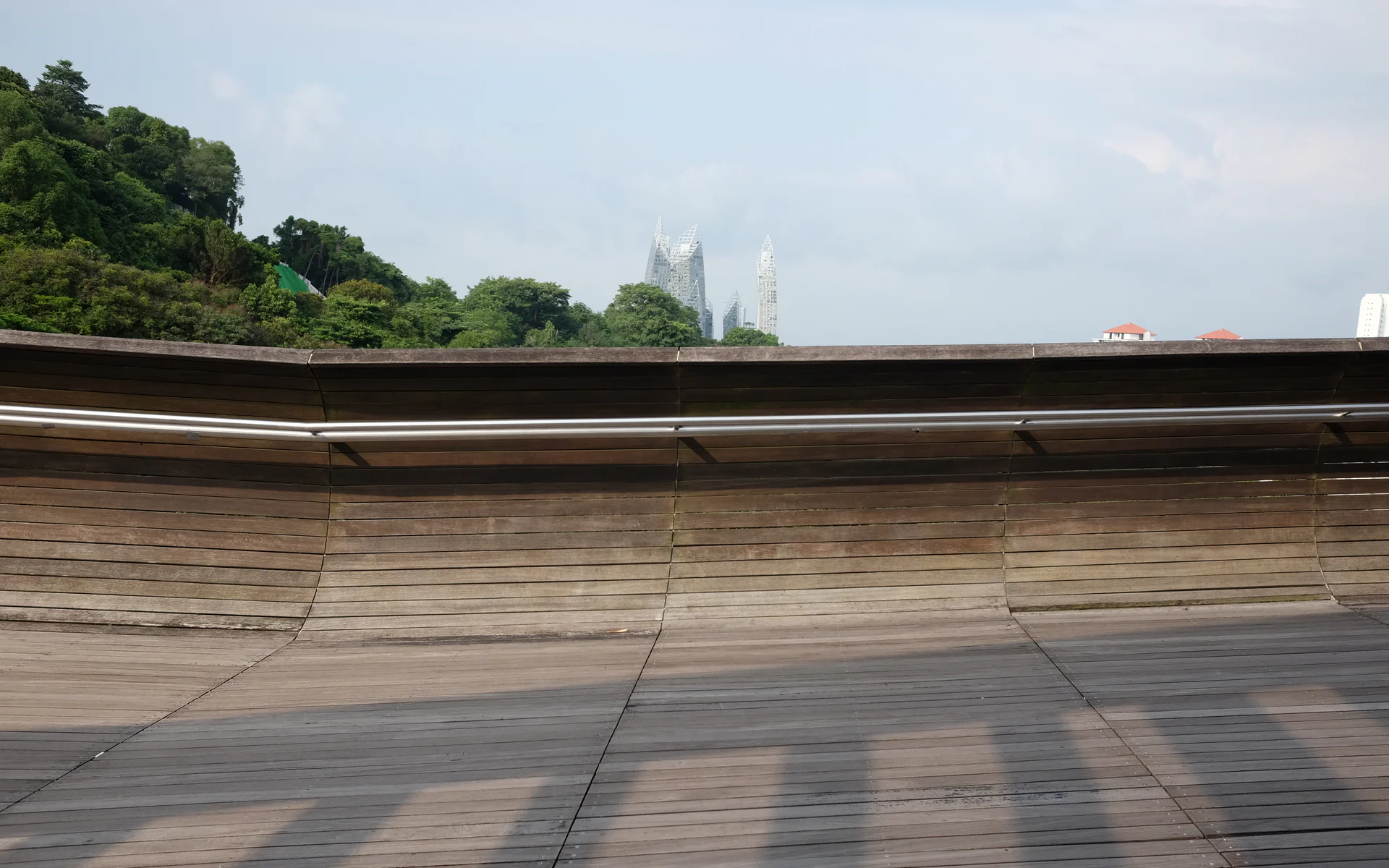
Cover photograph: “Mandai boardwalk – next to Singapore Zoo – 54363566527” by GeorgeTan#5 signs off, dedicated to the public domain under CC0 1.0. Cropped and resized for this guide.
Why Mandai matters: a rainforest zoo and the world's first night park
Mandai Wildlife Reserve lies next to Singapore's Central Catchment Nature Reserve. Its wildlife parks draw on more than 50 years of experience in inspiring people to value and protect nature, and for Singapore they are a source of pride: Bird Paradise was named Outstanding Attraction Experience at the Singapore Tourism Awards 2024.
Singapore Zoo set the tone with an open-concept design that it calls a rainforest zoo: animals live among lush tropical planting, and free-ranging orangutans swing through the trees. Today it is home to more than 4,200 animals.
The best-known Singapore idea at Mandai, though, is Night Safari. It describes itself as the world's first nocturnal wildlife park, built around the hours when many tropical animals are most active, and it marked its 25th anniversary in May 2019. More than 900 nocturnal animals live there, and the park counts among Singapore's most popular attractions.
The reserve keeps changing. On 13 October 2021, Wildlife Reserves Singapore became Mandai Wildlife Group, River Safari was renamed River Wonders to describe its walk through freshwater habitats, and a new bird park was announced to replace Jurong Bird Park. That park, Bird Paradise, now holds more than 3,500 birds from over 400 species across 17 hectares and eight walk-through aviaries. The group also funds conservation work in Southeast Asia through Mandai Nature, and visitors can add a contribution to their ticket.
For a first visit, the significance of Mandai lies less in its size than in what it was designed to do: bring people close enough to understand wildlife while giving animals space to behave naturally. That aim is also the best guide to planning the day.
Select by animal activity and visitor energy
Start with interests, not bundles. Singapore Zoo suits a broad daytime survey; River Wonders centres on river habitats and aquatic species; Night Safari operates on an evening rhythm; Bird Paradise and newer attractions require their own current plans. Names, openings and ticket combinations can change, so use Mandai’s official park information.
Families with small children, visitors who use mobility devices and anyone sensitive to heat should plan one principal park. Two parks work only when they are compatible in time and location and when the group accepts missing some zones. Night Safari after a full outdoor day can be exhausting.
List three priority habitats or presentations, then allow the rest to be optional. Animals may sleep, move out of view or choose sheltered areas. A quiet enclosure is not a service failure; it demonstrates that a living animal does not perform on demand.
Price the complete day before paying
Check admission, timed entry, add-on presentations and cancellation terms directly. A multi-park ticket can save money only when the schedule is humane and achievable. Buy from official channels and confirm what an advertised bundle includes, since trams, feedings and special programmes may be extra.
Children’s ages, resident eligibility and identification rules may affect tickets. Read the current conditions, not a screenshot. If a weather event closes an outdoor activity, the park’s stated policy controls refunds or changes.
Budget for transport, food and lockers as well as admission. Bringing a refillable bottle can reduce waste, but security and food rules should be checked. Pack light: carrying a large day bag through humid paths adds fatigue.
If accessibility equipment is required, review availability and reservation information before purchase. “Wheelchair friendly” does not guarantee that every boardwalk, tram or viewing position has identical access.
Understand East and West before the journey
Mandai publishes current getting-to-and-around guidance. Read the precinct map and identify the exact arrival point for the first park. A taxi destination written only as “Mandai” is incomplete.
Public transport usually combines rail and a bus or shuttle. Save the service number, boarding side and last return, then recheck them on the day. Shuttles can have capacity, hours and boarding rules. A connection described in an older article may have changed as the reserve develops.
Drivers should confirm parking for the intended precinct and current charges. Gates on opposite sides of the reserve can be a long walk apart. At departure, join the correct queue and allow for post-closing demand.
An evening park requires a return plan that still works after the attraction ends. Travellers with an early flight should not make the latest night entry their final Singapore activity.
Watch without trying to control the animal
Keep voices low and movements predictable. Do not tap glass, call, whistle, throw food or hold a phone beyond barriers. Flash can disturb animals and other visitors; obey all photography signs even when another person ignores them.
Feeding is appropriate only through a programme authorised and supervised by the park. Human snacks can cause injury or illness. Never invite a wild macaque or bird closer with food on an open path.
Give keepers space to work and listen to welfare explanations rather than only asking for a photograph. Mandai describes animal behaviour and enrichment programmes that encourage species-appropriate activity. Enrichment does not mean every animal must be visible at all times.
Observe signs of your own group’s stress too. A tired child may become loud or approach barriers. Take a break before behaviour deteriorates. Visitors who dislike captive-animal settings can choose conservation education selectively and evaluate the institution’s published welfare and conservation work instead of treating attendance as compulsory.
Use presentations as learning appointments
Current talks, feeding sessions and presentations can help visitors understand behaviour, but schedules change. Choose one or two and arrive without blocking a path. Follow staff seating and accessibility directions.
Sprinting between distant events helps no one. Missing a presentation creates time to observe a habitat. If a session includes contact, participate only as instructed; wash hands and supervise children. Never recreate animal contact independently elsewhere.
Ask specific questions: what behaviour is being encouraged, how individual animals choose to participate, and what conservation pressure affects the species in the wild? Questions focused only on tricks or celebrity animals miss the educational value.
Keep photo equipment compact. Long lenses must not obstruct the visitor behind you, and tripods may be restricted. A natural-looking image is not worth crossing a line or imitating an animal call.
Design for equatorial heat and storms
Begin outdoor zones early. Alternate exposed paths with shaded or indoor exhibits, drink regularly and eat before energy drops. Lightweight rain protection is more useful than an umbrella in a dense crowd, but sun protection is still needed after a shower.
Heat illness can begin with headache, nausea, cramps or unusual weakness. Move to a cool place, hydrate and seek staff or medical help when symptoms are severe or include confusion. Do not press on because a timed activity is approaching.
For thunder and lightning, follow park announcements and enter designated substantial shelter. An open-sided hut or large tree is not an ideal refuge. The Meteorological Service Singapore’s current warnings help with the broader decision, while park staff control local operations.
Wet boardwalks, ramps and tram steps can be slippery. Slow down and let faster groups pass. If continuous rain makes the planned outdoor park unsuitable, focus on indoor exhibits or leave; the ticket price should not override safety.
Build one of three humane itineraries
One-park day: arrive near opening, prioritise two zones before lunch, rest indoors, then revisit a favourite habitat or attend one presentation. Leave before everyone is depleted. This is the best learning pattern.
Two-park day: pair attractions only after checking precinct transport. Give the first a fixed departure time and the second a reduced priority list. Add Night Safari only if the group has an afternoon rest.
Night-focused day: keep the morning light, rest in the afternoon, eat before travelling and arrive for the confirmed evening entry. Protect the final return journey. Darkness makes flash rules and quiet behaviour especially important.
For a free, self-directed nature alternative, MacRitchie Reservoir requires trail and monkey etiquette. Jurong Lake Gardens offers a lower-cost landscape day, while Sentosa needs a different attraction-selection strategy. Browse the Singapore hub for published choices.
Measure the visit by attention
At the exit, ask each person to name one behaviour they observed and one conservation issue they understood. Success has little to do with the number of species photographed. Patient attention, respect for barriers and a schedule that protects both visitors and animals are what make a Mandai day responsible. A visit that ends with a few animals watched properly, and a clear sense of why they are kept and cared for, has done more than a full set of gates ticked off.
Questions and answers
How many Mandai parks can visitors reasonably see in one day?
One park suits a relaxed first visit; two can work with an early start and clear priorities. More usually turns wildlife observation into hurried transfers.
What is Mandai known for?
Mandai is known for Singapore Zoo's open-concept rainforest setting and for Night Safari, the world's first nocturnal wildlife park, which marked its 25th anniversary in 2019. Since 2021 the parks have been run by Mandai Wildlife Group, which also funds conservation across Southeast Asia.
What is the most important wildlife etiquette?
Follow staff instructions, keep voices low, never feed or touch animals unless an authorised programme explicitly permits it, and do not bang glass or use prohibited flash.
Sources
Singapore · 1.3521° N, 103.8198° E
This story belongs to Singapore. An island city of Malay, Chinese, Indian, Peranakan and global communities, where dense neighbourhoods and protected nature keep distinct identities.