Gyeongju Silla Heritage: A Two-Day Practical Guide
A two-day Gyeongju plan separating the walkable Silla centre from mountain temples, with archaeology, transport and respectful-site decisions.
Gyeongju was the capital of the Silla kingdom from 57 BCE until the last king surrendered in 935, nearly a thousand years, and its heritage survives as a landscape rather than one enclosed old town. Royal tomb mounds, palace sites, observatory, museum collections and Buddhist monuments spread from the centre to mountains and coast. Two well-grouped days reveal more than a rushed circuit of famous names.
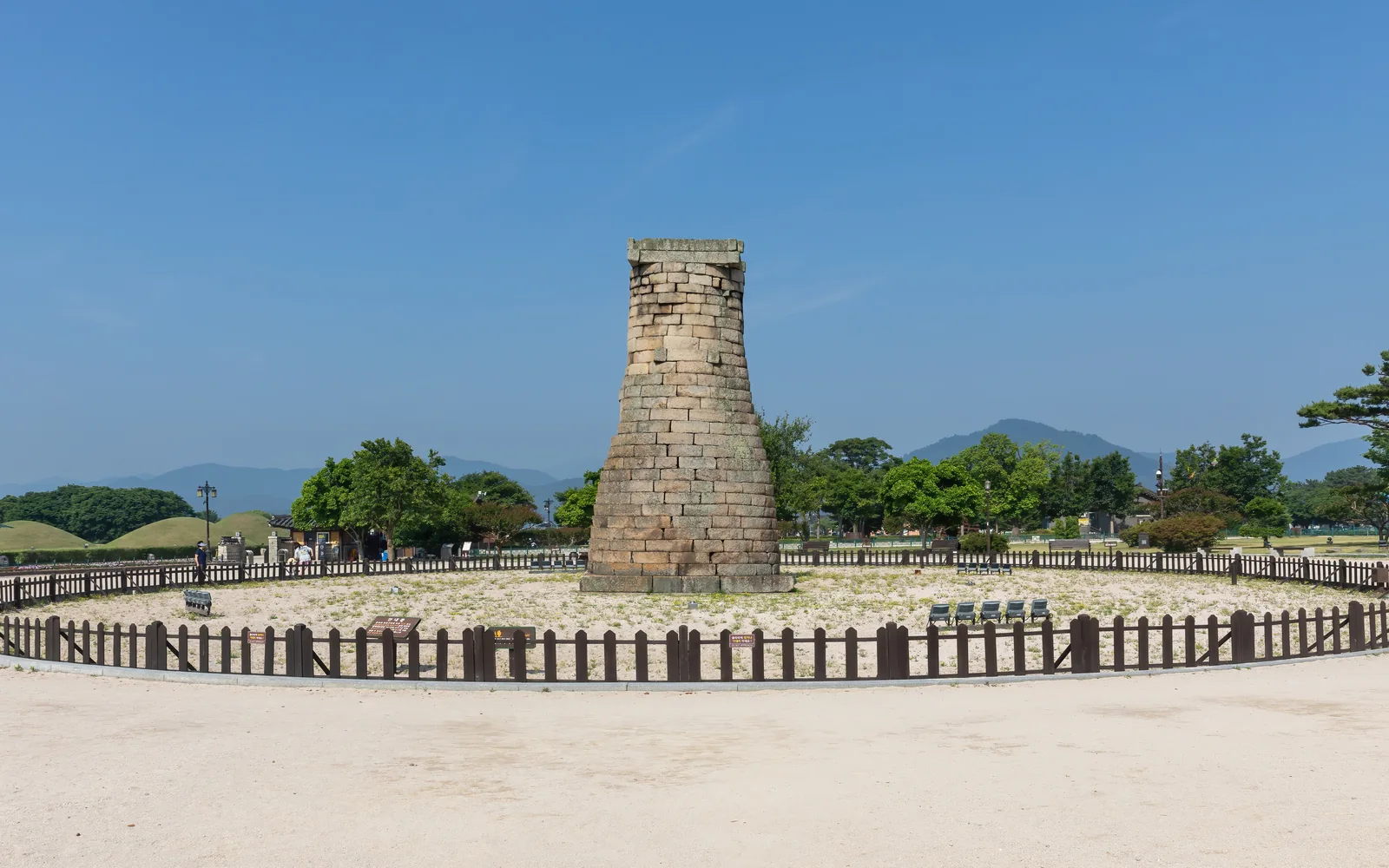
Cover photograph: Basile Morin / Wikimedia Commons, CC BY-SA 4.0. Cropped and converted to WebP.
Arrive with the correct station in mind
High-speed trains use Singyeongju/Gyeongju Station outside the historic centre, while buses and other rail services arrive elsewhere. Check the current station name, onward bus and final accommodation. A cheap room near the high-speed station may be inconvenient for evening walks.
The intercity bus terminals are closer to central sights. Taxis need the Korean address, and festival traffic can alter travel times. Save the return connection before leaving a distant temple.
Accommodation around the centre supports evening heritage lighting and reduces transfers. Traditional-stay marketing varies; ask about floor bedding, bathroom, sound insulation, luggage storage and check-in.
Day one: tombs, observatory and museum
Begin at Daereungwon or another central tomb area when open. These mounds are burial sites and protected archaeology, not hills for climbing or picnics. Stay on paths, follow barriers and supervise children.
An excavated tomb interior or exhibition can explain construction and grave goods. Do not touch cases or use flash where prohibited. Human burial context deserves calm behaviour even when the park feels recreational.
Continue towards Cheomseongdae, Wolseong and the surrounding landscape. Cheomseongdae is a protected stone observatory from the seventh century, often described as the oldest surviving astronomical observatory in Asia; keep beyond barriers and avoid presenting uncertain historical claims as fact. Official or museum interpretation is more reliable than a short caption.
The Gyeongju National Museum connects objects with sites. Give it at least two hours. Read the object labels to connect burial, Buddhist and court histories with the places visited, and follow museum photography rules.
End at Donggung Palace and Wolji Pond only if current access and energy permit. Evening reflections are popular, so arrive before the main crowd, keep tripods out of circulation and do not push through railings for symmetry.
Use Hwangnidan-gil in proportion
The commercial streets near the heritage core offer cafés, food, rentals and shops. They are convenient but can become crowded. Use them for a meal and one considered purchase, and do not let queues replace history.
Hanbok or themed clothing rental needs the same care as in Seoul: correct fit, respectful styling and protection of fabric. A costume does not permit entry onto tomb lawns or monuments.
Ask who designed souvenirs and where they were made. Products using Silla crowns, celestial motifs or Hangul should have traceable authorship. A museum shop often provides stronger context than a generic gift wall.
Food businesses may close or sell out. Confirm price and ingredients. Sesame, nuts, soy, wheat, shellfish and meat stock can be difficult for allergies; carry translated details.
Cycling without crossing heritage boundaries
Central Gyeongju's broad spaces can suit a bicycle. Inspect brakes, tyres, bell and lights. Wear a helmet and use designated paths. Pedestrians have priority in mixed areas.
Do not ride on burial mounds, protected grass, excavation areas or narrow crowded footways. Lock the bicycle only where permitted. Night riding requires lights and greater care around families.
Weather changes the choice. Rain makes leaves and stone slippery, summer heat increases dehydration and winter ice can make cycling unwise. A taxi or bus is a legitimate alternative.
Day two: Bulguksa and Seokguram
UNESCO lists Bulguksa and Seokguram together, inscribed in 1995, separately from the Gyeongju Historic Areas, added in 2000. Both were built in the eighth century on Tohamsan. Bulguksa is an active Buddhist temple: check opening hours, services and construction. Dress modestly, speak quietly and do not interrupt worship. Remove shoes when directed.
Stone pagodas, bridges and painted halls are protected cultural property. Never touch carvings, climb bases or copy decorative programmes as free commercial motifs. Photography restrictions differ by space.
Seokguram Grotto lies higher on Tohamsan and requires separate transport plus walking and stairs. Fog, wind, heat or ice can affect the approach. The sacred sculpture is viewed under conservation conditions; obey photography rules absolutely.
Linking both sites by public transport requires schedule margin. The Korea Tourism Organization's route note describes a shuttle between Bulguksa and Seokguram, but verify the timetable on your date. A taxi should include agreed waiting and destination. Do not assume a mountain bus continues late into the evening.
Visitors with limited mobility should contact the sites about exact access. A shuttle or drop-off may still leave steps. Choosing Bulguksa alone can provide a complete day with better comfort.
Add one third-day direction, not three
Yangdong Village is a lived-in historic community. Visitors must keep private homes and lanes clear, follow entry rules and avoid treating residents as exhibits. Transport should be confirmed before departure.
Namsan contains scattered Buddhist remains and hiking routes. Use official trails, prepare for terrain and never touch or trace carvings. A guide adds context and reduces accidental trespass.
The east-coast route includes Gameunsa and the Tomb of King Munmu area, but it requires a separate road plan and maritime weather awareness. Do not force it between temple visits.
Each direction deserves most of a day. “Nearby Gyeongju” can still involve long rural connections.
Seasonal and night conditions
Spring blossom and autumn foliage create crowds and accommodation pressure. Reserve early but do not build the trip around an exact bloom date. Rain, wind and temperature shift the season.
Summer is hot and humid. Use early heritage walks, museum midday breaks and evening returns. Carry water and shade. Winter can bring cold wind, snow and icy stone steps.
Night lighting at selected sites offers another view, but opening hours and last transport vary. Bring a small light for unlit paths without shining it at people or monuments. Stay out of closed lawns.
Festivals change roads and crowd control. Follow barriers, agree on a meeting point and buy tickets only through legitimate channels.
Accessibility and family learning
Central parks contain broad paths, but distances, gravel and kerbs still matter. The museum and major sites provide varying facilities; contact them about accessible entrances, toilets and wheelchairs.
Families should pair one outdoor site with the museum or a hands-on programme. Explain tomb respect before arrival. A child needs rest and food more than a complete stamp collection.
Older visitors may use a city tour or taxi for distant sites. Confirm guide language, duration and included admissions. Free multilingual cultural interpretation may be available at named heritage sites under current municipal arrangements.
Read the two heritage listings separately
The Gyeongju Historic Areas listing covers groups of archaeological and Buddhist remains around the city. Bulguksa and Seokguram form a separate UNESCO property. This distinction helps when choosing an interpretive route: the central tomb landscape can be explored on foot, while the temple and grotto need a dedicated mountain transport plan.
For another Confucian-era landscape nearby, see our Andong village guide; for the southern coast, the Busan guide. Use the Gyeongju place page for local context and the South Korea collection for other destinations.
Continue through the Incheon city and island guide to move from an ancient capital to a modern port gateway. Gyeongju succeeds when the landscape remains connected: tomb, object, temple and city, each given enough time to explain the others.
Questions and answers
How many days does Gyeongju need?
Two full days allow the central tomb-and-palace landscape plus Bulguksa and Seokguram. A third supports Yangdong, Namsan or coastal heritage.
Is cycling useful in central Gyeongju?
Yes on suitable paths and in fair weather, but inspect the bicycle, yield to pedestrians and never ride across protected lawns or archaeological areas.
Should Bulguksa and Seokguram be visited together?
They can share a day, but mountain transport, stairs, opening hours and weather need planning. Do not treat Seokguram as a quick walk from the temple.
Sources
Seoul · 37.5665° N, 126.9780° E
This story belongs to Gyeongju, South Korea. A peninsula of dense cities, mountain landscapes, maritime regions and layered histories, where local identity extends far beyond Seoul.