Regional identity beyond one national image
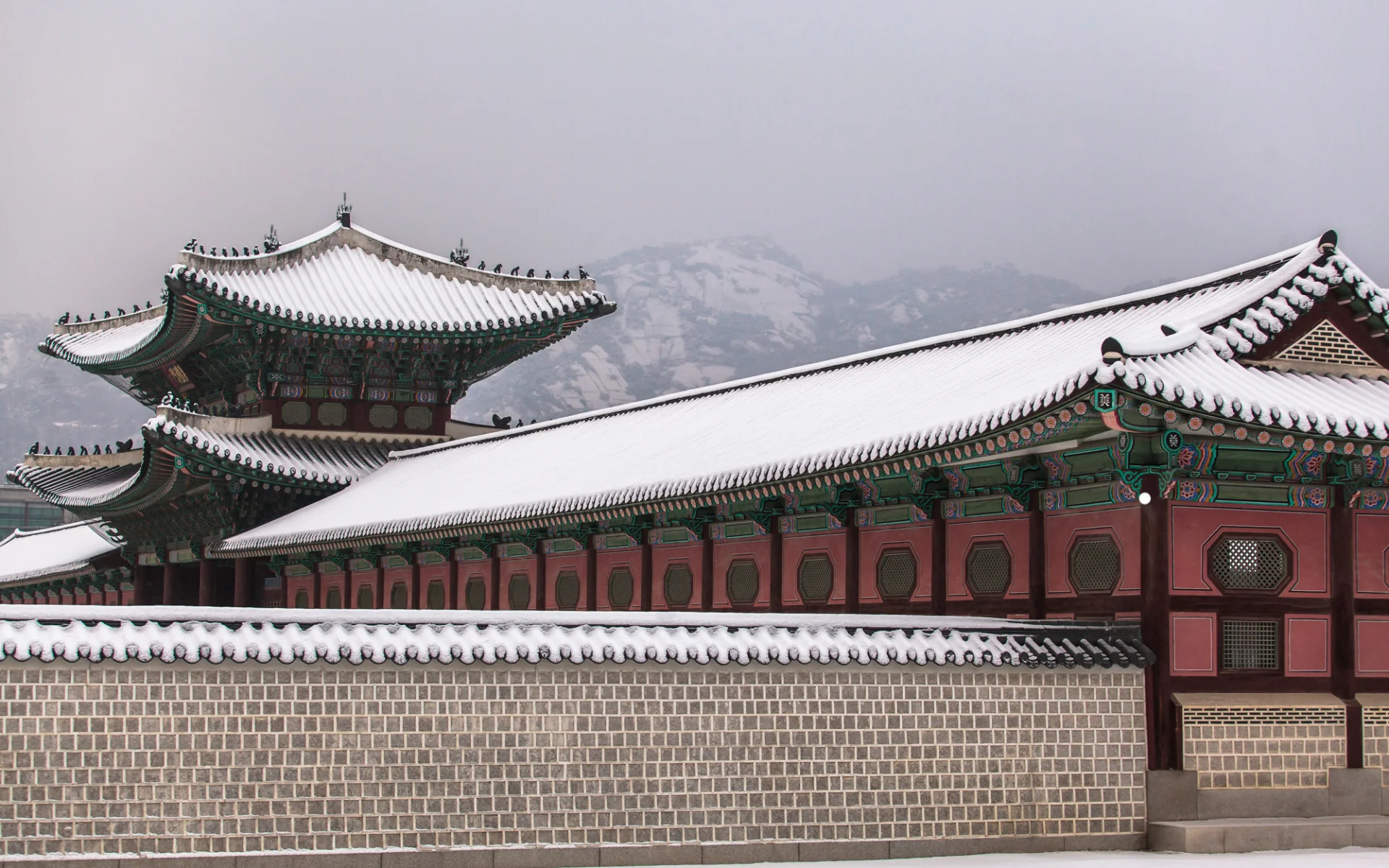
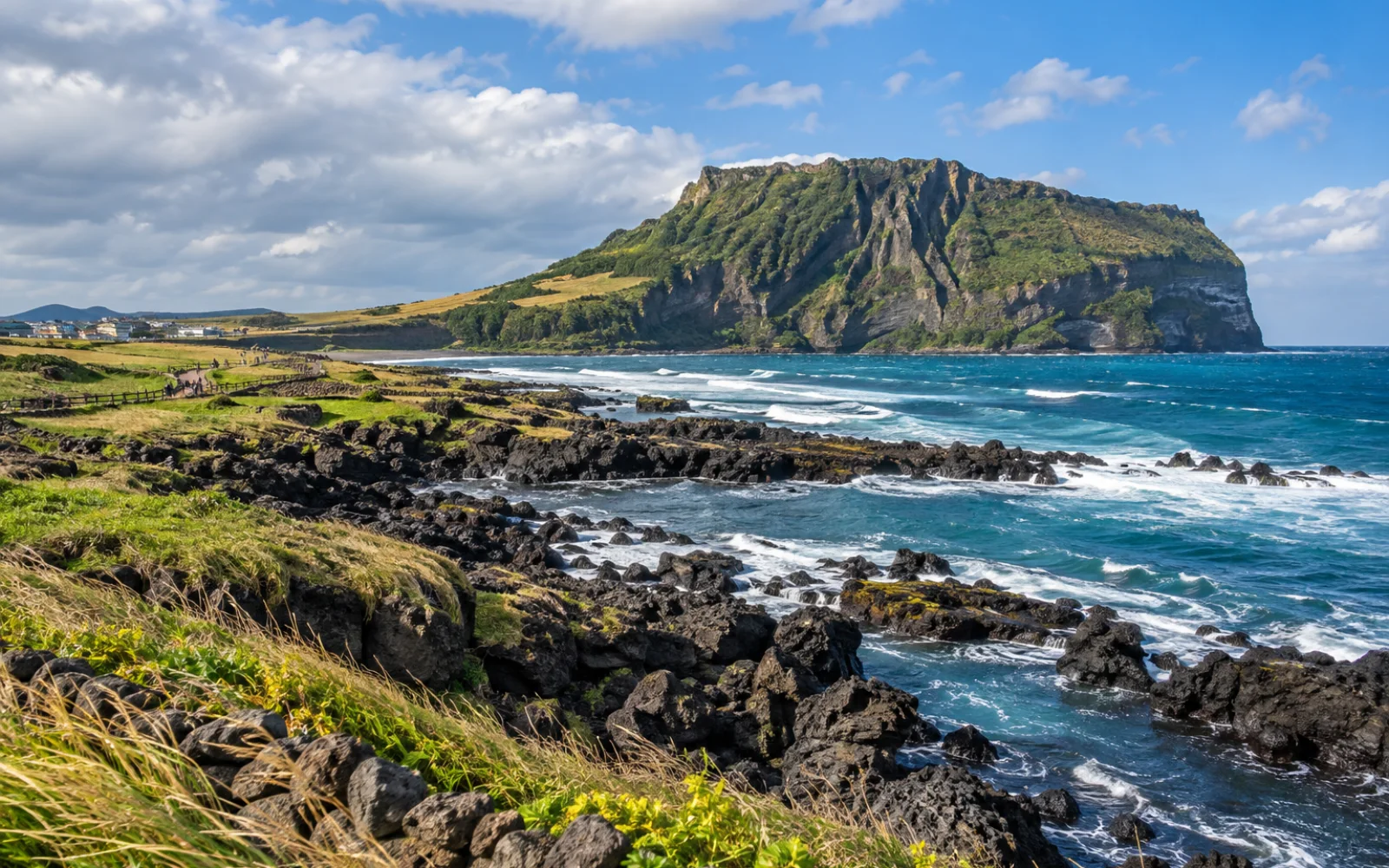
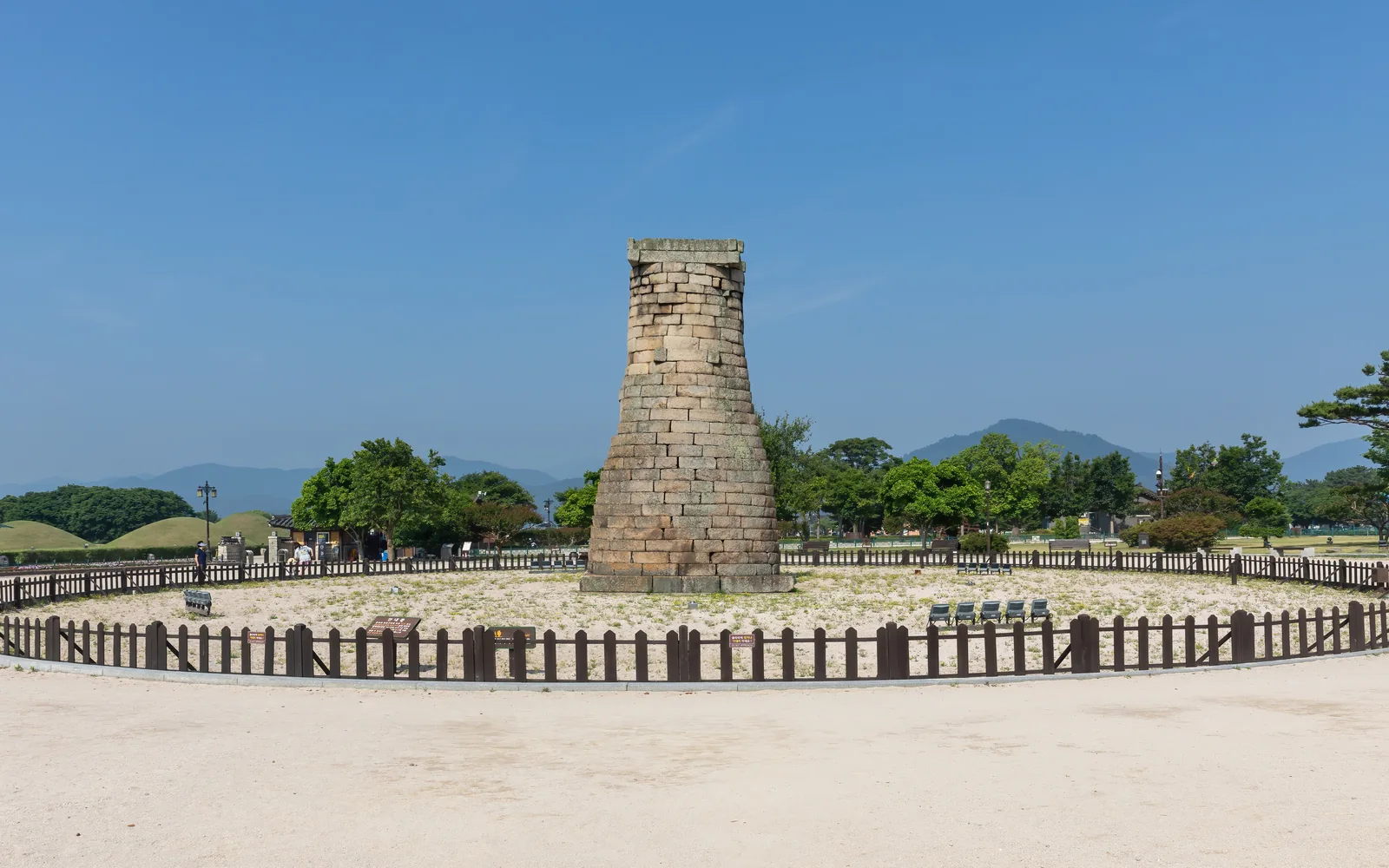
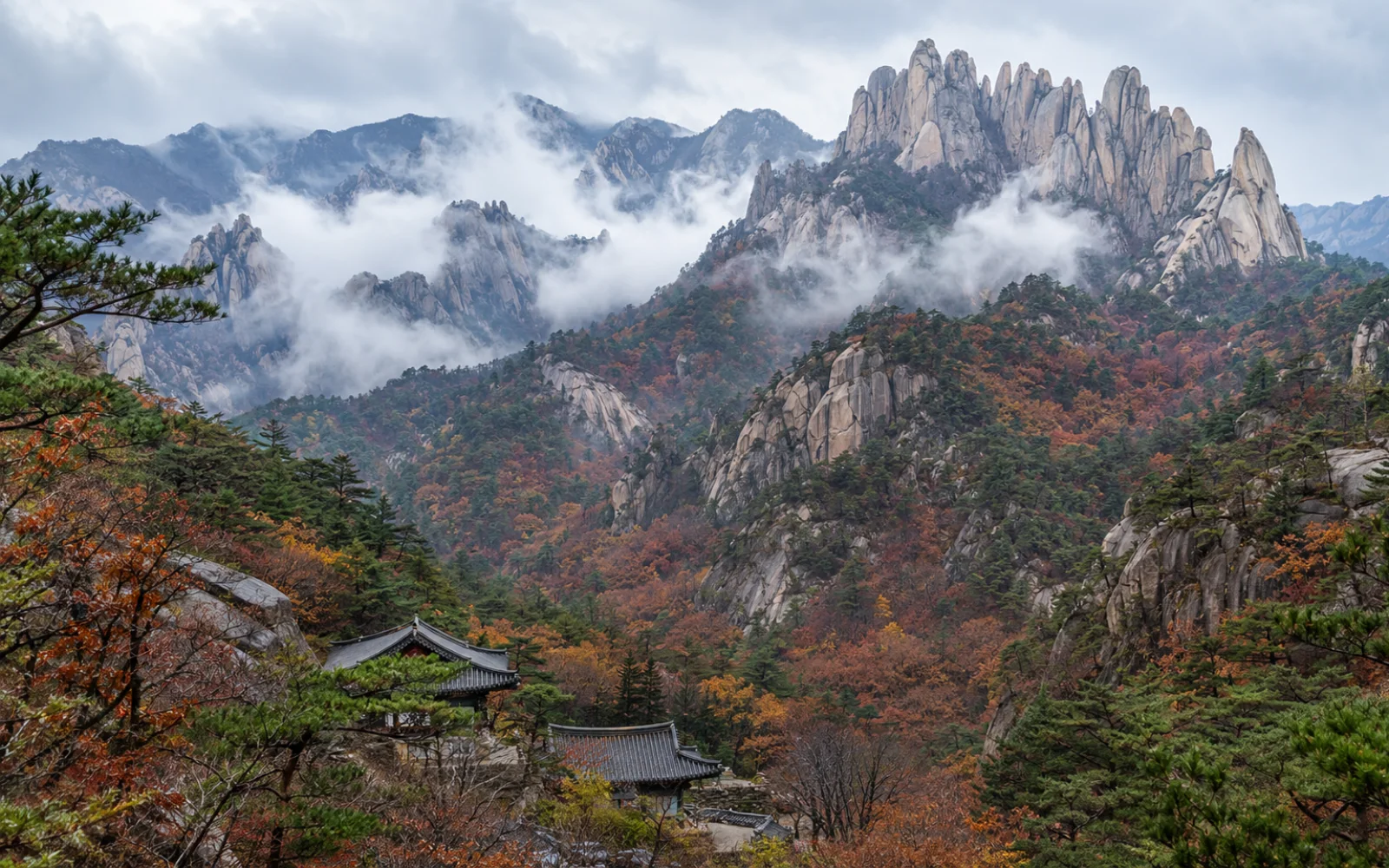
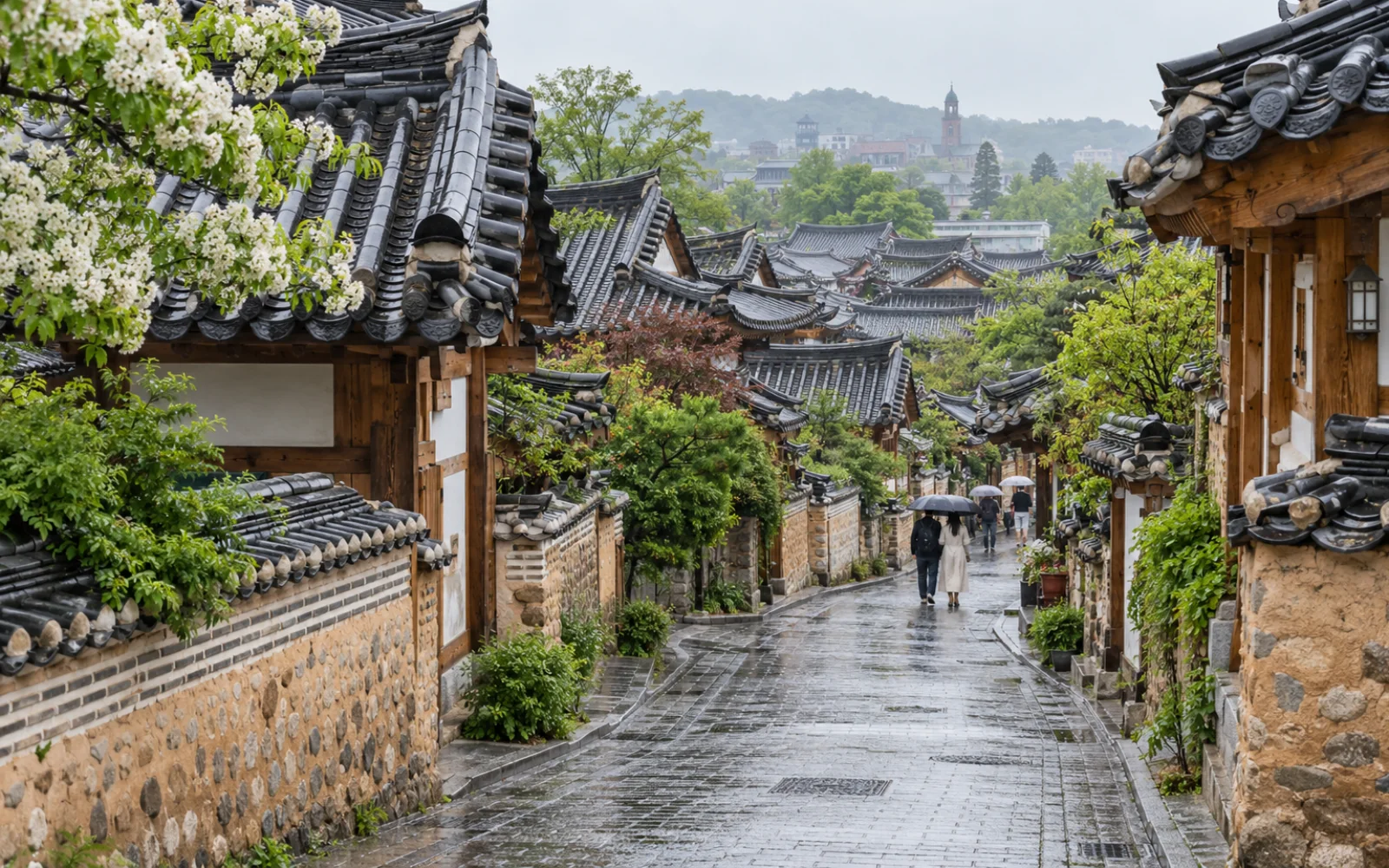
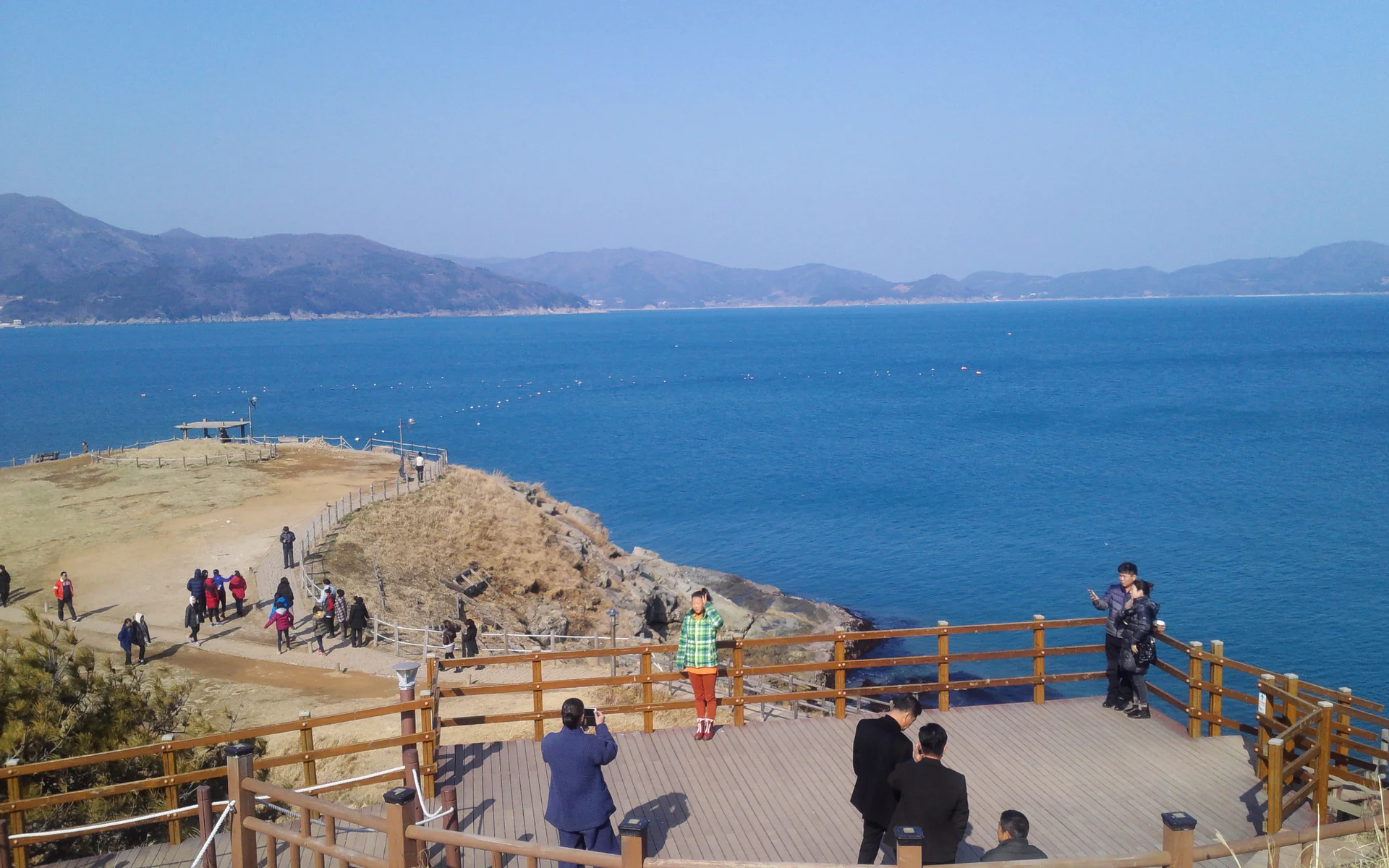
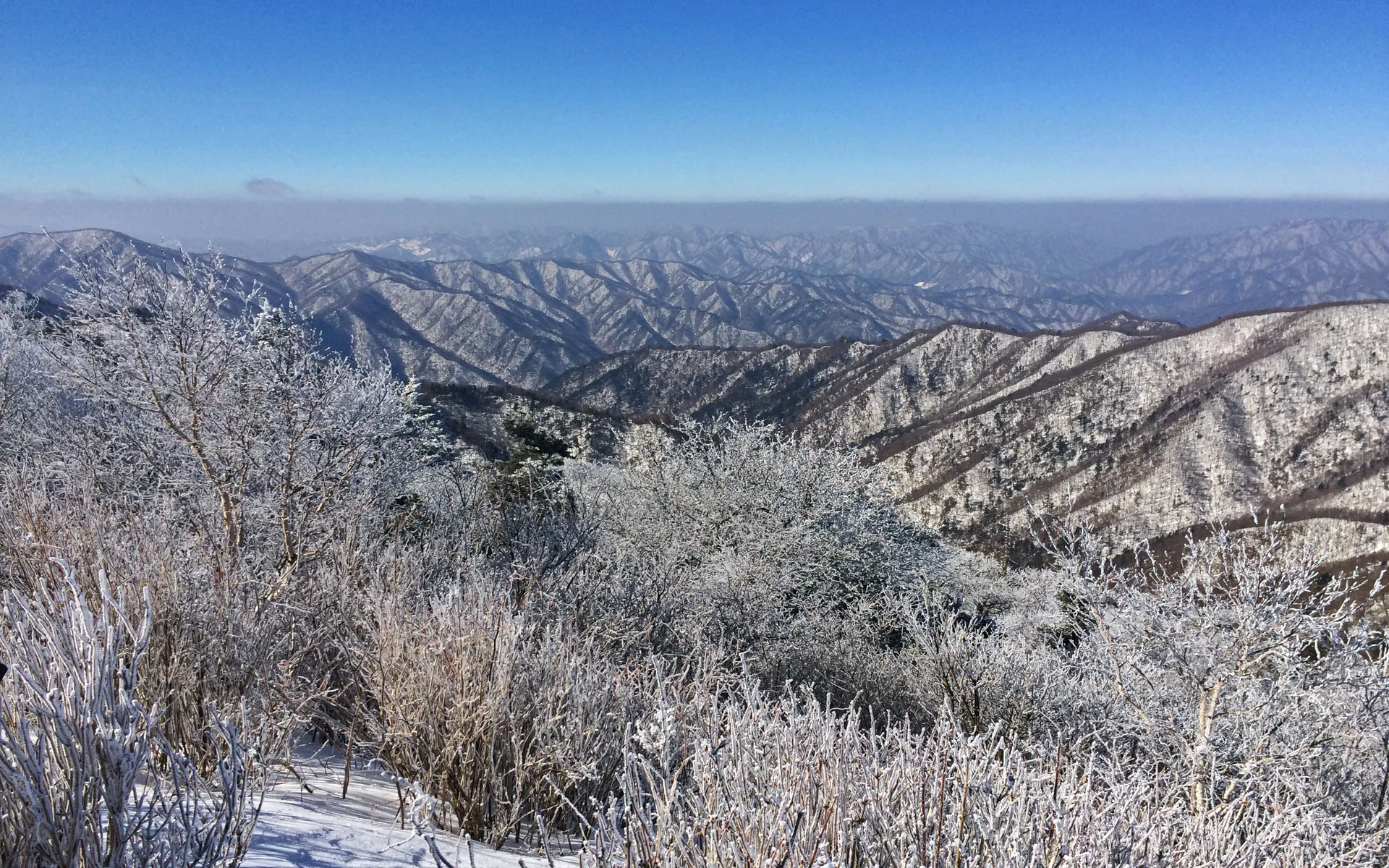
South Korea is a peninsula where each region keeps its own character. Seoul has been a capital for more than six centuries, and its Joseon palaces still frame the centre. Gyeongju was the capital of the Silla kingdom from 57 BCE to 935, and its tomb mounds and observatory survive across the landscape. Jeju is a volcanic island with a World Heritage lava-tube system and a living tradition of women divers, while Seoraksan rises to 1,708 metres above the East Sea.
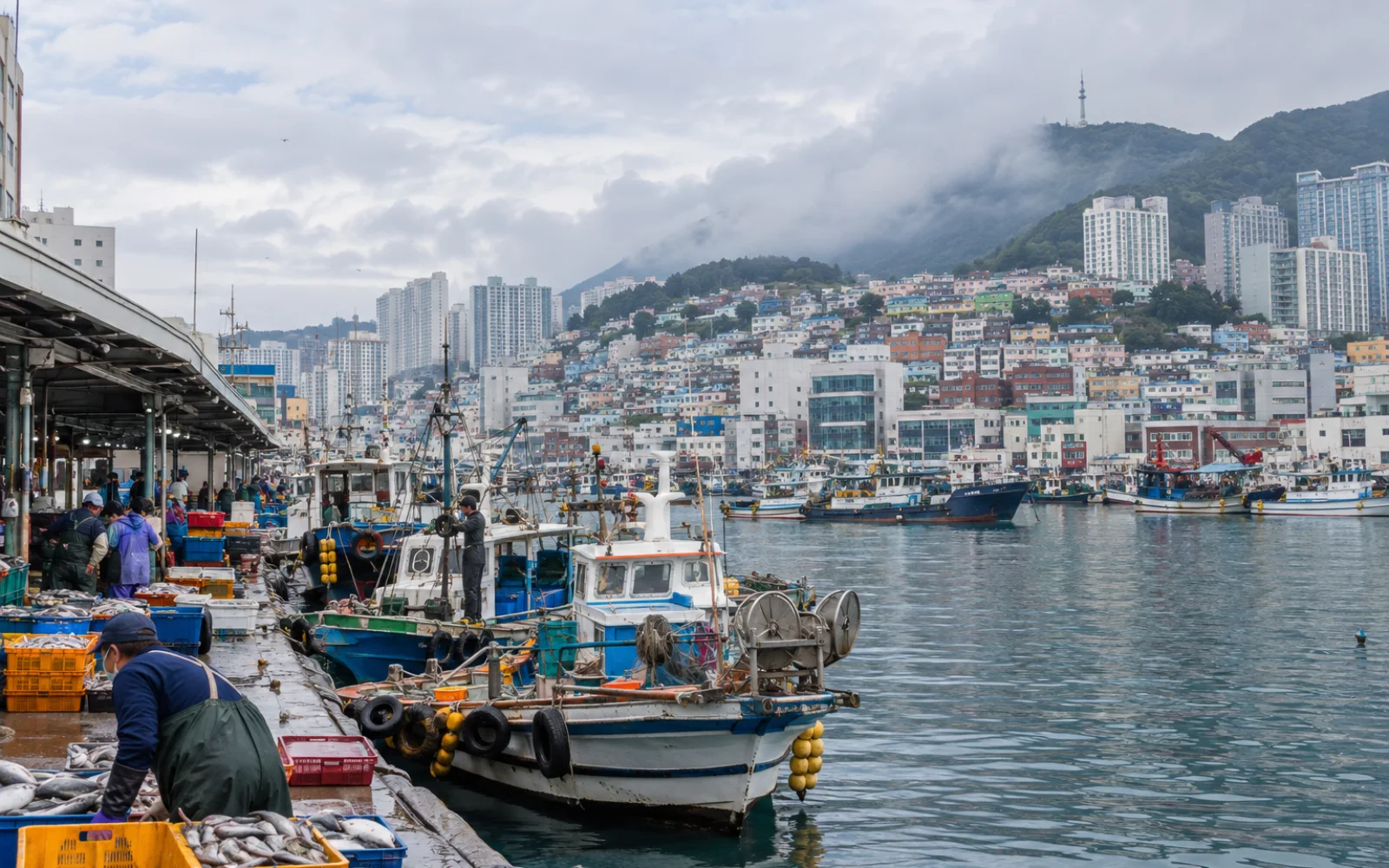
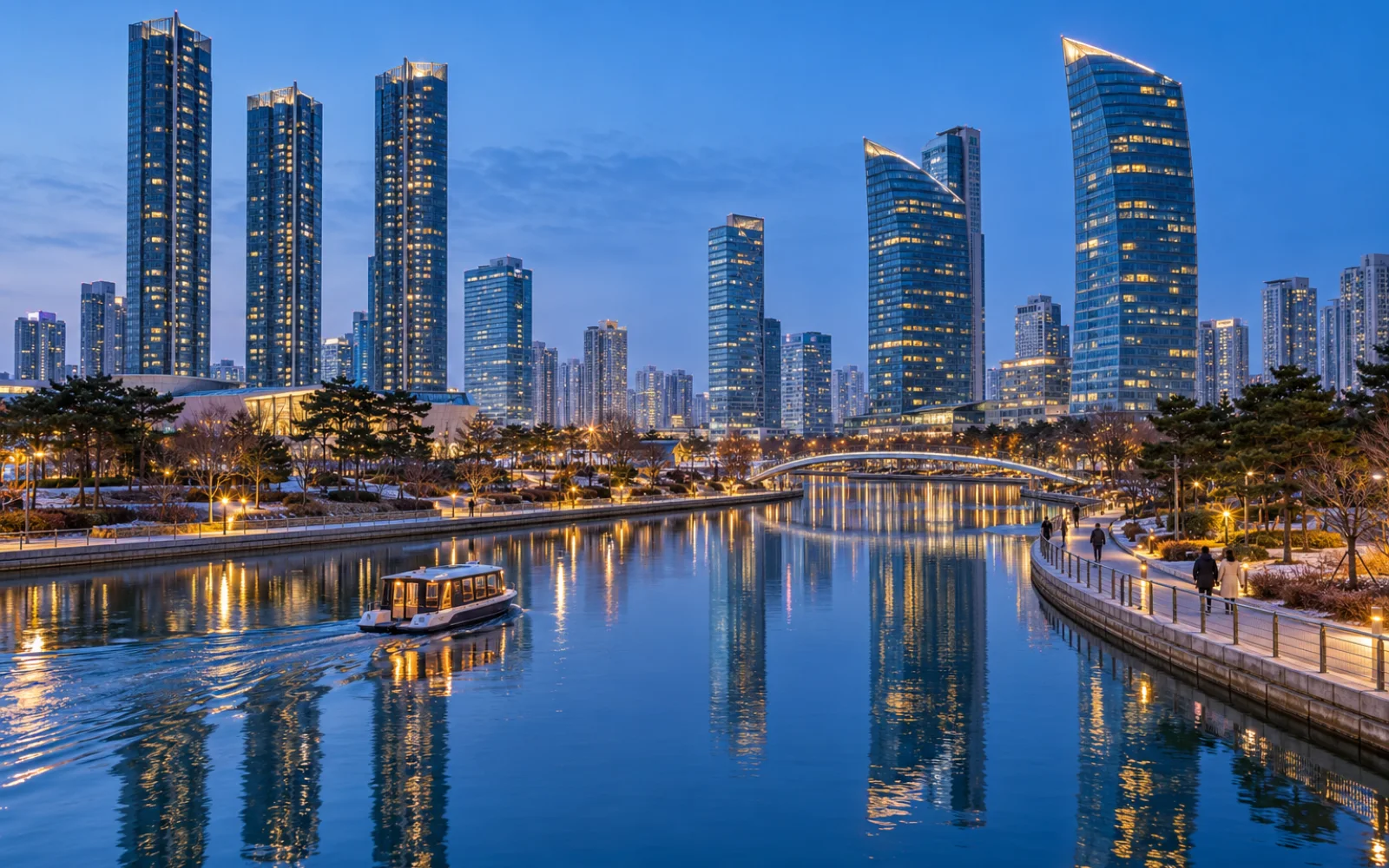
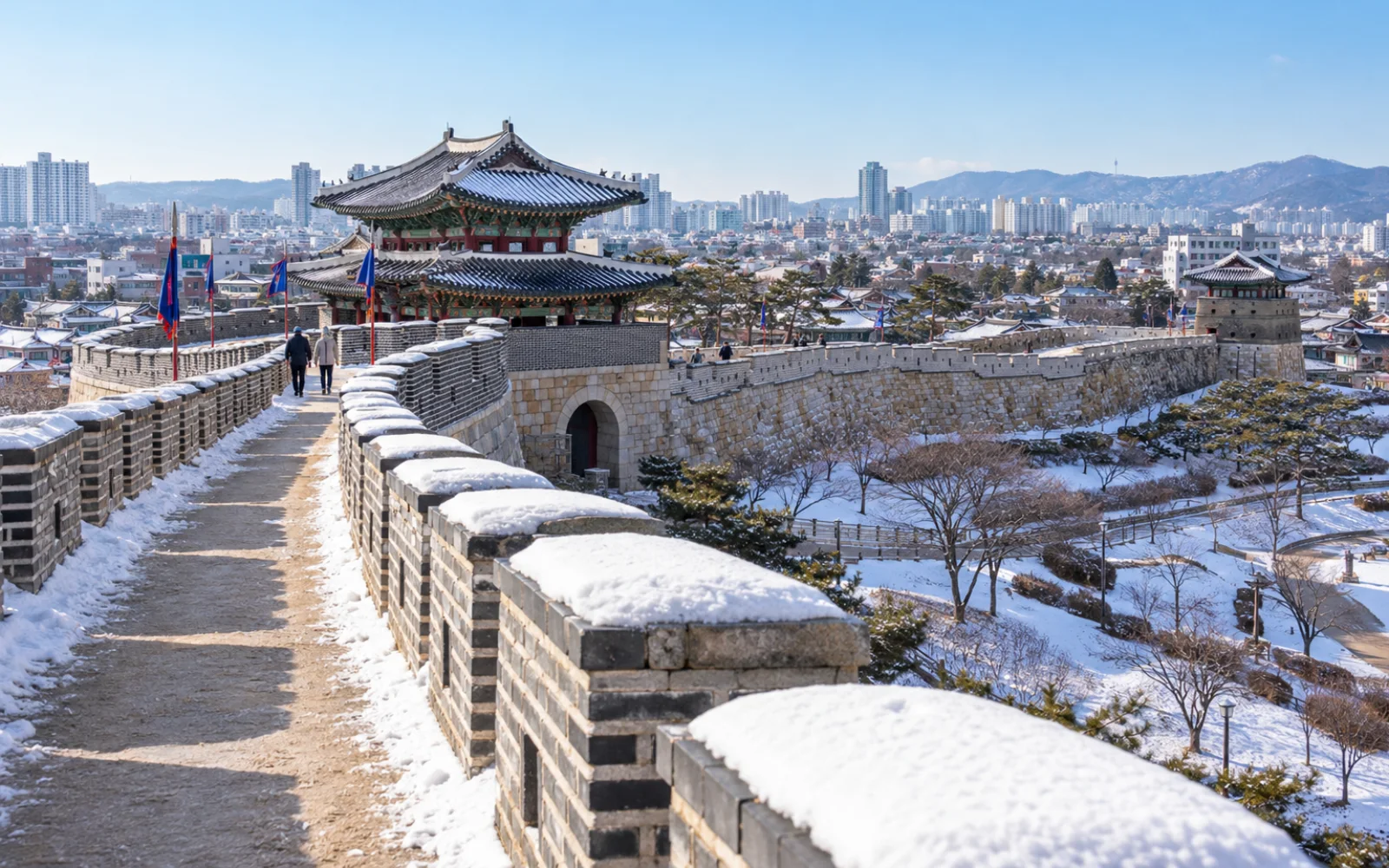
Ports and fortresses add other stories. Busan served as the temporary capital from 1950 to 1953, Incheon opened as a treaty port in 1883, and Suwon's Hwaseong Fortress was built from 1794 to 1796.
Cities and regions
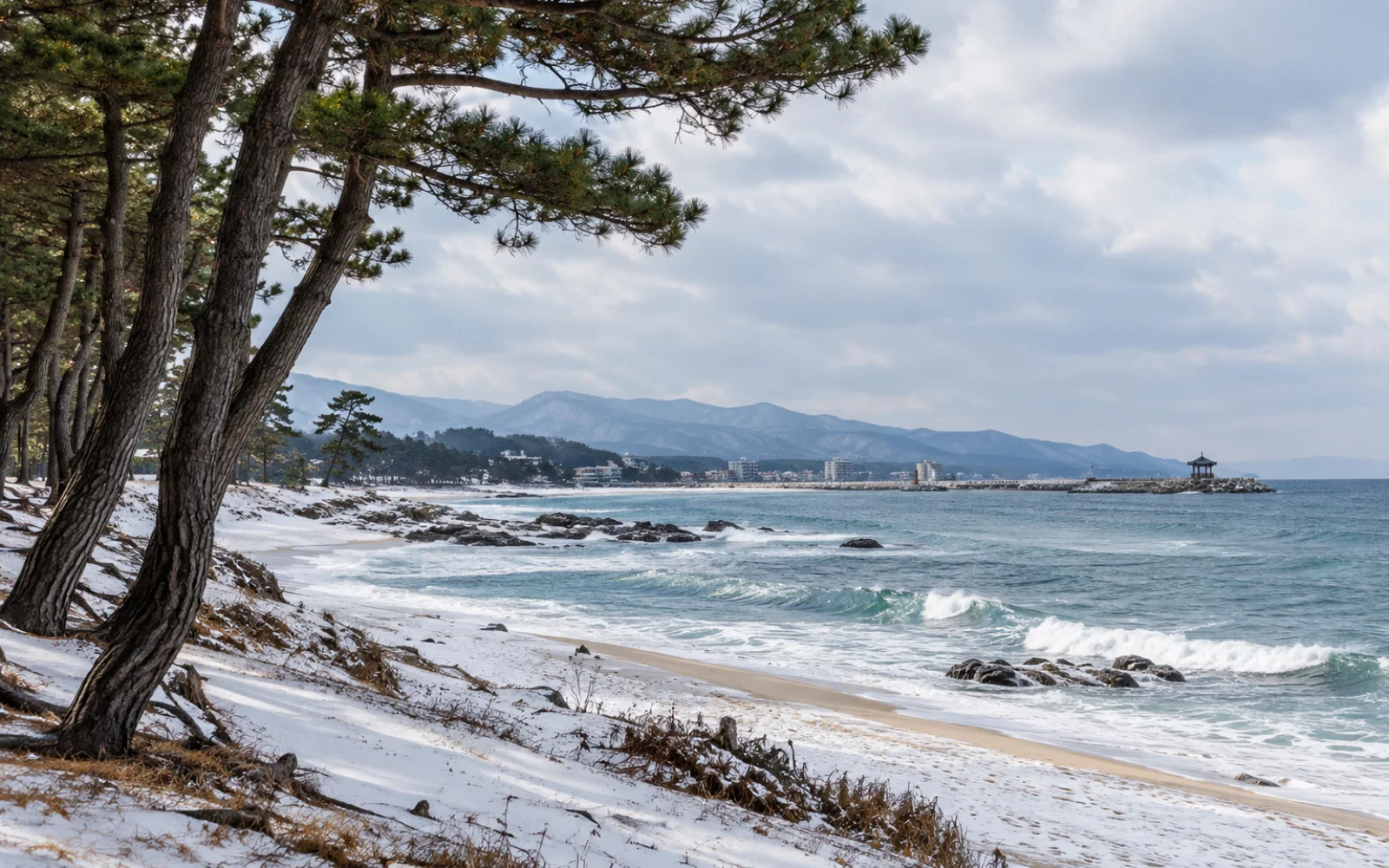
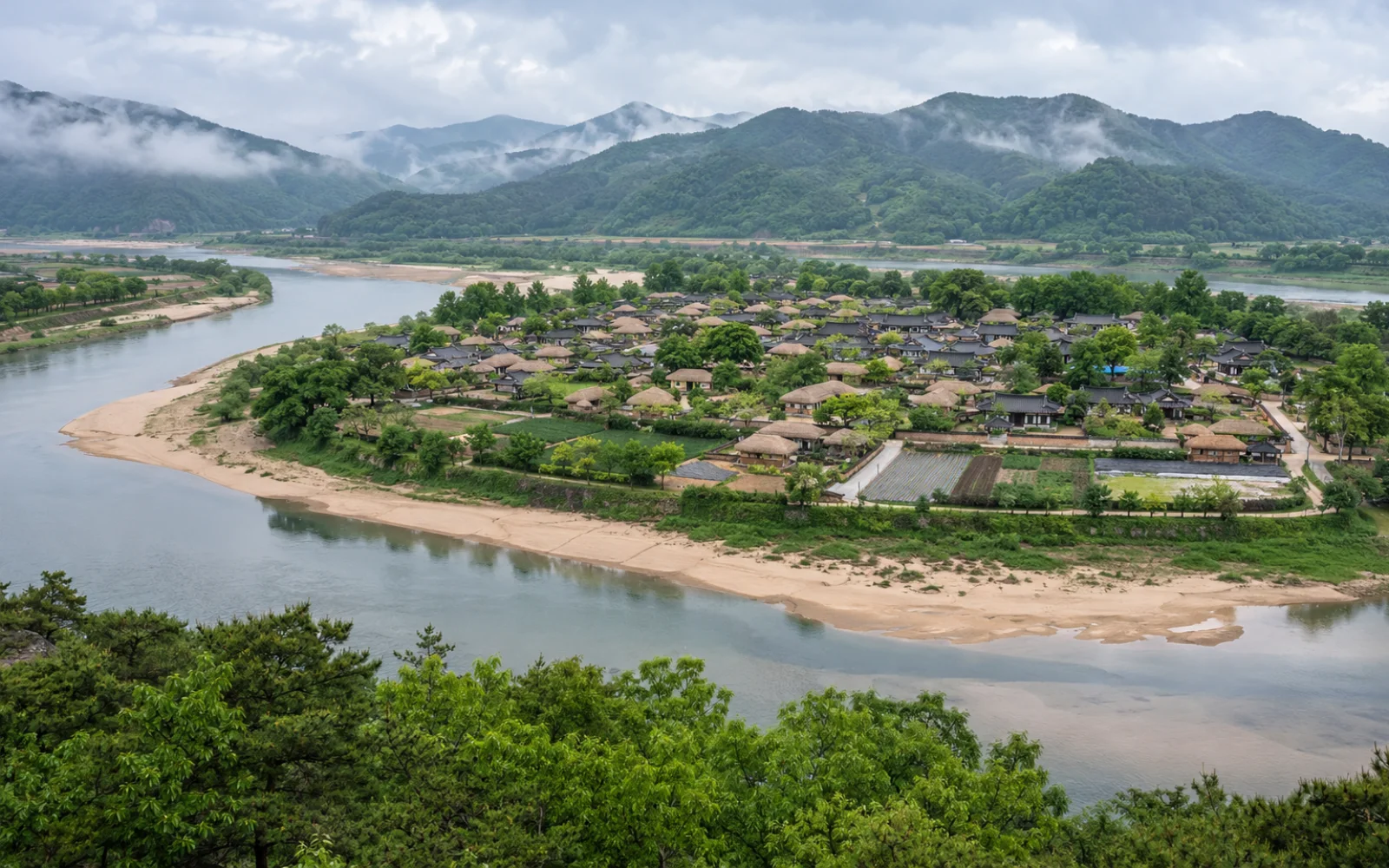
Begin with Seoul and its palace and neighbourhood guide. On the south coast, Busan is the country's largest port, and Jeju sits offshore. For heritage, read about Gyeongju, Andong, Jeonju and Suwon. On the west and east coasts are Incheon, Gangneung and Sokcho and Seoraksan.
Browse all places on the countries page or read more in the blog.