Chuncheon Lakes: A Rail-First Trip Without Attraction Chasing
A comparison-led Chuncheon guide for deciding between the city, lakes, railbike and Nami Island instead of forcing every famous stop into one day.
Chuncheon is easy to underestimate because Seoul’s rail map makes it look like a simple out-and-back. The city itself, Soyang water system, Nami Island approaches, Gangchon railbikes and mountain cable cars are not one compact attraction zone. A good visit chooses one principal landscape experience, keeps a city meal and lake walk around it, and protects the train home from a chain of timed reservations.
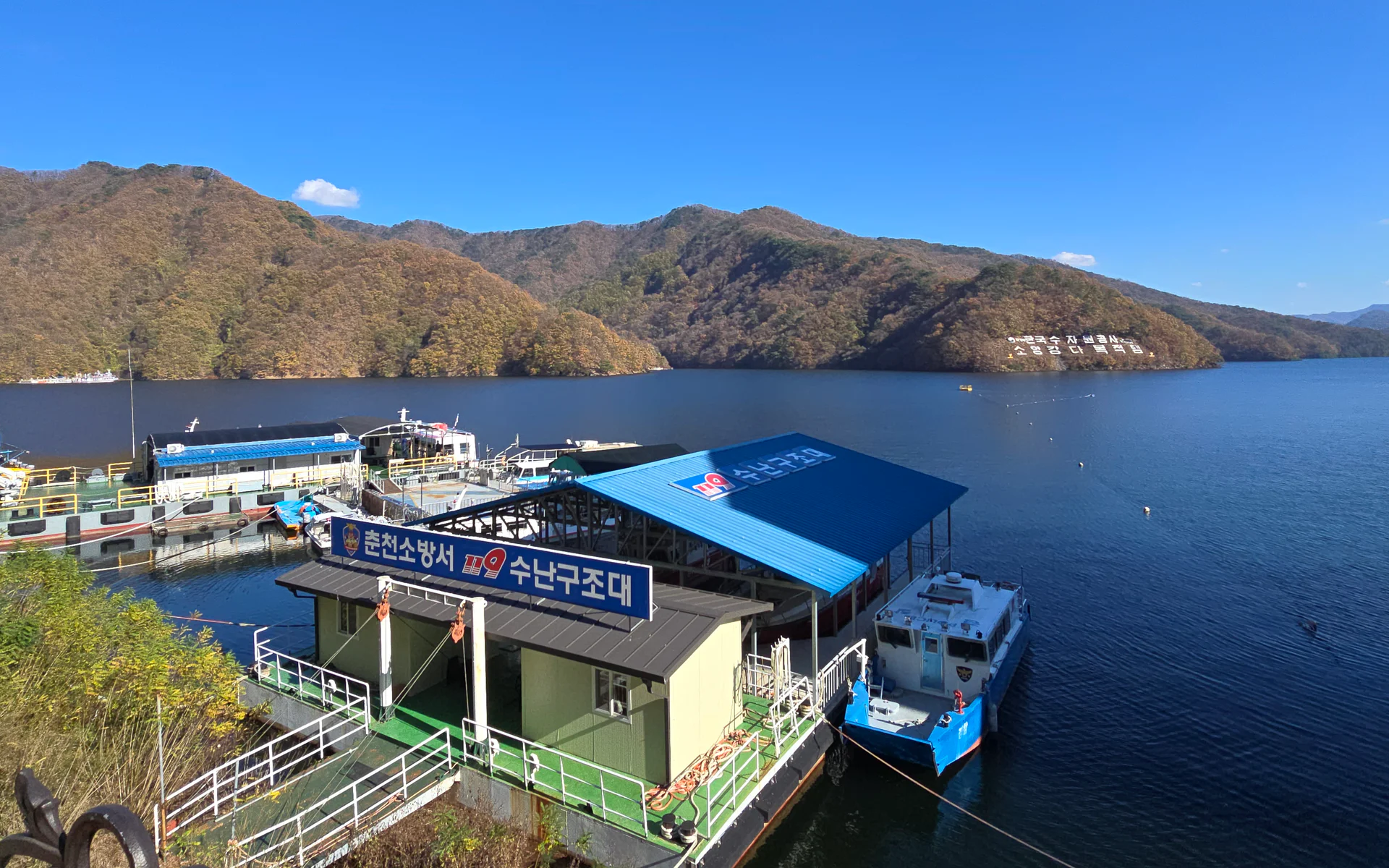
Cover photograph: “20241108 HPGkiji 소양호” by HPGkiji, licensed under CC BY 4.0. Cropped and resized for this guide.
Why Chuncheon matters: a lake city built by water and known for its table
Chuncheon is the capital of Gangwon Province, about an hour east of Seoul, set where rivers, mountains and lakes meet; Hallym University's guide to the city describes it as a place of hiking and cycling trails, rivers and lakes. Much of the water that defines it today is modern. Between 1967 and 1973 the Soyang Multipurpose Dam was built on the Soyang River above the city to prevent annual flood damage downstream, generate electricity and supply water to homes, industry and farms around Seoul.
The dam came at a cost. More than 16,000 people were relocated as the reservoir filled, and the new lake changed the local climate: fog days each year rose from about 39 to 63.5, and Chuncheon became known as the city of fog, as the historian Kang Yeonsil records in Technology's Stories.
Chuncheon's food carries the city's identity just as strongly. Dakgalbi, chicken marinated in a spicy sauce and stir-fried at the table, often finished with rice fried in the same pan, is its signature dish, and cold buckwheat makguksu is the other local staple. One restaurant on Dakgalbi Street near the dam has been serving customers since 1978, according to VisitKorea. The city celebrates both dishes at a food festival in autumn and hosts a mime festival every May that Hallym University counts among the top three in the world.
For residents, pride lies in that mix of lakes, mountain air and shared pans of dakgalbi, a city with its own pace beside the capital. Because the lakes, the railbike and Nami Island are spread across a wide landscape, the best Chuncheon day starts with one clear choice.
Make the choice before buying tickets
Use a simple question: what would make the day worthwhile if everything else disappeared? Choose Chuncheon and Soyang-area views for an untimed city day; a railbike for a booked physical activity; Nami Island for a managed island excursion; or a mountain cable car for an elevated view dependent on visibility. Add only nearby, flexible stops.
The railbike and Nami Island are often marketed together, but separate queues, road links and check-in rules can make the combination rushed. A cable car can stop for wind. Ferry or island access can become crowded. If a fixed evening train matters, one major booking is enough.
Check the Korea Meteorological Administration’s local forecast before choosing. Low cloud weakens a viewpoint day; hot, humid conditions increase the effort of pedalling; heavy rain or winter ice can alter outdoor operations.
Arrive by rail with the return already understood
Confirm departure station, train type and reservation through official Korail information or the relevant metropolitan rail operator. Different services have different seating, journey patterns and booking rules. A timetable from an old itinerary may no longer apply.
Save your chosen Chuncheon station and return service in Korean. If using an unreserved metropolitan train, allow for standing and peak crowds. If using a reserved service, arrive with time to find the correct platform. The final city bus or taxi is not included in the intercity ticket.
Travellers staying overnight should choose accommodation for the planned zone, not only the city name. A lake-view property can be inconvenient for the station and restaurant district. Ask about luggage storage and late arrival before booking.
On a day trip, set a non-negotiable time to begin returning towards the station. The last activity should be flexible and central, not a distant viewpoint with a fragile bus connection.
Use central Chuncheon as the stable part of the day
Begin with a short orientation near the station or central riverfront. Locate the return platform, a sheltered alternative and the district where you intend to eat. This prevents a late-afternoon search across unfamiliar neighbourhoods.
Lake and river paths may look level but can be exposed to sun, wind and sudden rain. Carry water, use sun protection and step away from the water during lightning. In winter, shaded promenade sections can remain icy. Barriers are not an invitation to climb closer to the edge.
Local museums and markets can provide context when visibility is poor. Verify opening days directly; many cultural sites close on a weekly day or for exhibition changes. A market is a place where people shop for daily life as well as a sight. Keep aisles open, ask before photographing a vendor and buy only after confirming the price and portion.
Chuncheon’s best-known dishes include dakgalbi and makguksu. At a grill, confirm spice level, serving minimum, side charges and whether staff or diners cook the food. Raw chicken requires careful handling; keep personal utensils away from uncooked meat and follow staff instructions. Shared pans and broth make strict allergen separation difficult.
If the railbike is the anchor, verify five details
Gangchon-area railbike experiences use former or adapted rail corridors, but the exact product, boarding point and operating pattern can change. Before paying, verify: the named venue; check-in deadline; number and type of seats; finish location; and transport back to your station or vehicle.
The operator may run timed departures, and late arrival can forfeit the ride. Build road and queue margin. A confirmation email is not proof that a taxi driver knows the correct entrance, so save the map pin and Korean name.
Pedalling is physical work even when assistance or downhill sections exist. Ask whether every rider must pedal, how children are secured and what mobility restrictions apply. Wear close-fitting clothing and shoes; loose scarves or bag straps should stay away from moving parts. Follow spacing and braking instructions, and do not stop in a tunnel for a photograph.
Weather exposure matters. In hot conditions, carry water and reduce other walking. In cold weather, hands and faces cool quickly. The operator, not a general weather app, decides whether the activity runs. If it cancels, know the refund terms and use your city alternative instead of buying an unverified replacement.
If Nami Island is the anchor, price the whole transfer
Nami Island is reached from the Gapyeong side, not from central Chuncheon. That means the day must account for the correct rail stop, onward transfer, ticketing and return. Verify current entry arrangements and whether a ferry or alternative crossing is included in the quoted price.
Crowds concentrate around famous tree-lined paths. Move away from the busiest entrance zone, do not block paths for portraits and never shake branches or enter planted areas. The island is a managed visitor environment, not a wilderness reserve.
Families should agree on a meeting point and photograph it. Waterside edges, rental bicycles and service vehicles require supervision. If renting a bicycle, use the designated paths, fit the seat correctly and do not let an inexperienced child ride in dense pedestrian areas.
Allow more return time than the outward journey used. Queues can grow in late afternoon, and a missed train connection can affect the entire evening. If your primary interest is Chuncheon’s urban lake setting, skipping the island produces a calmer and more geographically coherent day.
If the cable car is the anchor, buy visibility, not hope
The Samaksan lake cable-car area can provide broad water-and-mountain views, but low cloud, wind and maintenance can alter the experience. Check the operator’s live notice, last boarding and correct terminal before travelling. Check whether the ticket includes a summit trail and which upper paths are open.
Cabins can be uncomfortable for people with vertigo. Tell staff about a mobility need and confirm step-free boarding; a photograph of a modern station proves nothing. At the top, stay within marked public areas; vegetation and steep terrain continue beyond viewpoint decks.
If visibility is poor, postpone; the fare is not a compulsory purchase. A ground-level river or lake walk can communicate Chuncheon’s geography more clearly than a cabin inside cloud.
Use one of three complete day patterns
Flexible city day: arrive mid-morning, orient near the station, visit one market or cultural site, eat a properly explained lunch and take a lakeside walk appropriate to the weather. This is best for mixed mobility, uncertain forecasts or travellers who dislike timed bookings.
Railbike day: travel directly to the verified venue with a buffer, complete the booked ride and return to central Chuncheon for a late meal and short waterside walk. Do not add Nami Island unless every transfer is independently secure.
Island or cable-car day: make that experience the only major excursion. Use central Chuncheon for food before or after, and start the return while there is still a backup train. An overnight stay makes two anchors possible without compressing them.
Seoul is the usual urban gateway. For a more demanding mountain decision, compare Sokcho and Seoraksan; for a rail-accessible coastal alternative, use the Gangneung guide. The South Korea hub groups published routes by region.
Leave one reason to return
Before boarding home, check that souvenirs, wet umbrellas and food are packed without obstructing the aisle. Confirm the platform again and allow slower members of the group to reach it without running.
Chuncheon rewards selection. A day that contains one clear landscape, one well-chosen meal and a reliable return teaches more about the city than a sequence of reservations whose only connection is a search-results page.
Questions and answers
Can Chuncheon, Nami Island and a railbike ride fit in one day?
They can be connected on paper, but transfers and timed admissions make the day fragile. Most visitors get more value by choosing one major excursion plus Chuncheon itself.
Does a railbike ticket include transport from Chuncheon?
Do not assume so. Confirm the exact departure site, check-in time, finish point and return transport with the current operator before booking.
What is Chuncheon known for?
Chuncheon is the capital of Gangwon Province and is known for its lakes, especially Soyang Lake, created by the Soyang Multipurpose Dam built between 1967 and 1973. It is also known for dakgalbi, spicy chicken stir-fried at the table, cold buckwheat makguksu, and festivals including a mime festival each May.
Sources
Seoul · 37.5665° N, 126.9780° E
This story belongs to South Korea. A peninsula of dense cities, mountain landscapes, maritime regions and layered histories, where local identity extends far beyond Seoul.