South Korea · Country Guides
Gyeongju Silla Heritage: A Two-Day Practical Guide
A two-day Gyeongju plan separating the walkable Silla centre from mountain temples, with archaeology, transport and respectful-site decisions.
· 6 min read
Gyeongju · 35.8562° N, 129.2247° E
The former Silla capital, where royal tomb parks, an ancient observatory, Buddhist heritage and archaeological landscapes spread beyond the old centre.
Gyeongju was the capital of the Silla kingdom from 57 BCE until the last king surrendered in 935, nearly a thousand years. Its heritage survives as a landscape rather than an enclosed old town: royal tomb mounds, palace sites, an observatory, museum collections and Buddhist monuments run from the centre out to mountains and coast.
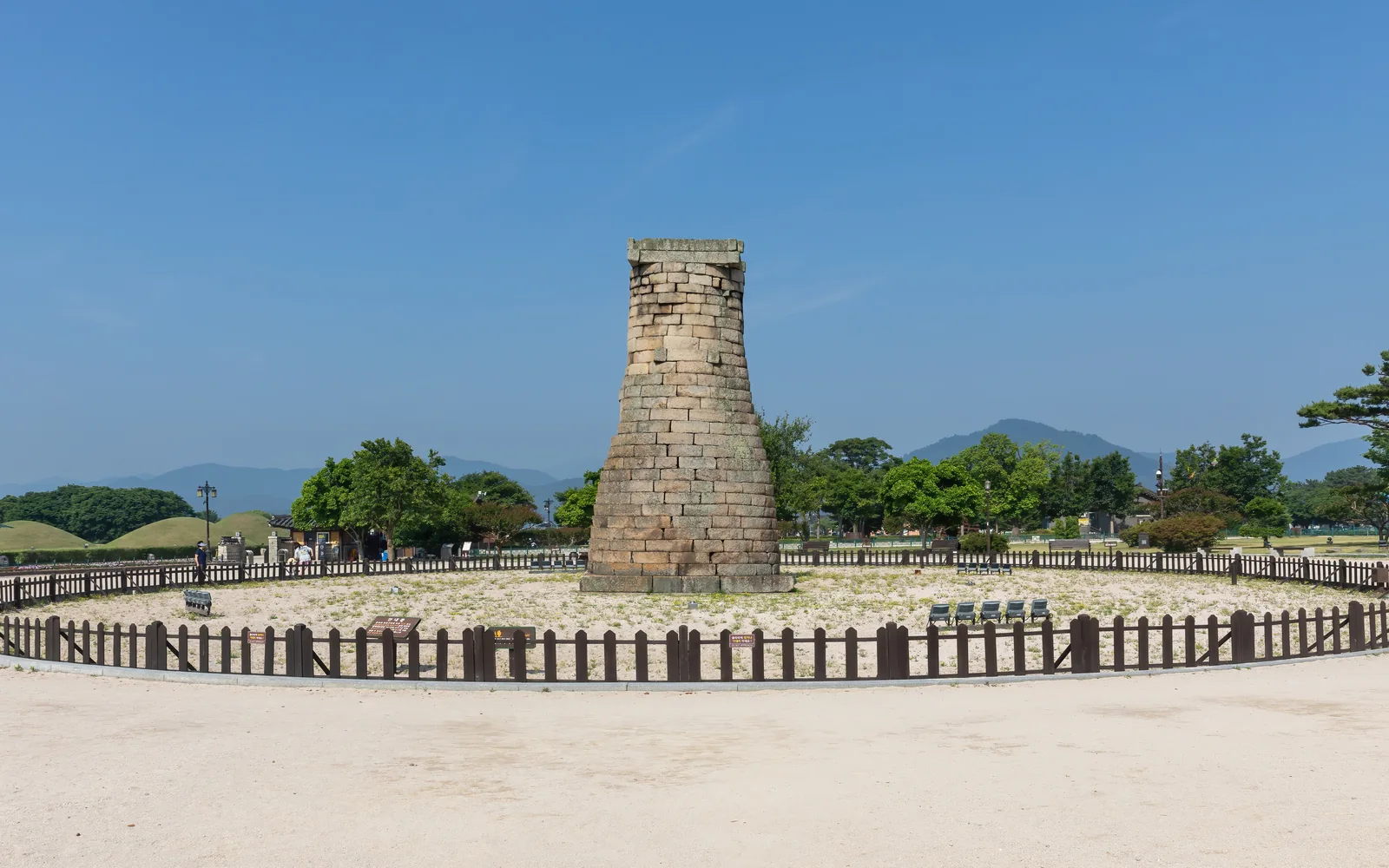
Cheomseongdae, a stone observatory from the seventh century, is often described as the oldest surviving astronomical observatory in Asia. The tomb mounds around Daereungwon are protected burial sites, and the Gyeongju National Museum connects the grave goods and Buddhist objects with the places where they were found. Bulguksa and Seokguram lie farther out, and Yangdong, a historic clan village, belongs to the same region.
The Gyeongju Silla heritage guide groups the central sights and the distant temples into workable days. The South Korea collection puts Gyeongju beside the country's other heritage cities.
South Korea · Country Guides
A two-day Gyeongju plan separating the walkable Silla centre from mountain temples, with archaeology, transport and respectful-site decisions.
· 6 min read
Yes. Tomb parks, Cheomseongdae and Wolseong areas connect well on foot or bicycle, but Bulguksa and Seokguram need separate transport planning.
No. Stay on marked paths, follow barriers and treat tombs and archaeological areas as protected heritage rather than picnic hills.
One short, occasional email with a useful new guide, a place story and notes on what we have updated.
Join by emailSend us that email and we will add you to the list. We only email people who ask, and you can leave any time. See our privacy policy.
