Olomouc: Moravia's Old Capital, Column and Cheese
A bishopric since 1063, a university city since 1573 and home to a UNESCO column, Olomouc is Moravia's quieter heritage capital. This guide tells its story and plans two days.
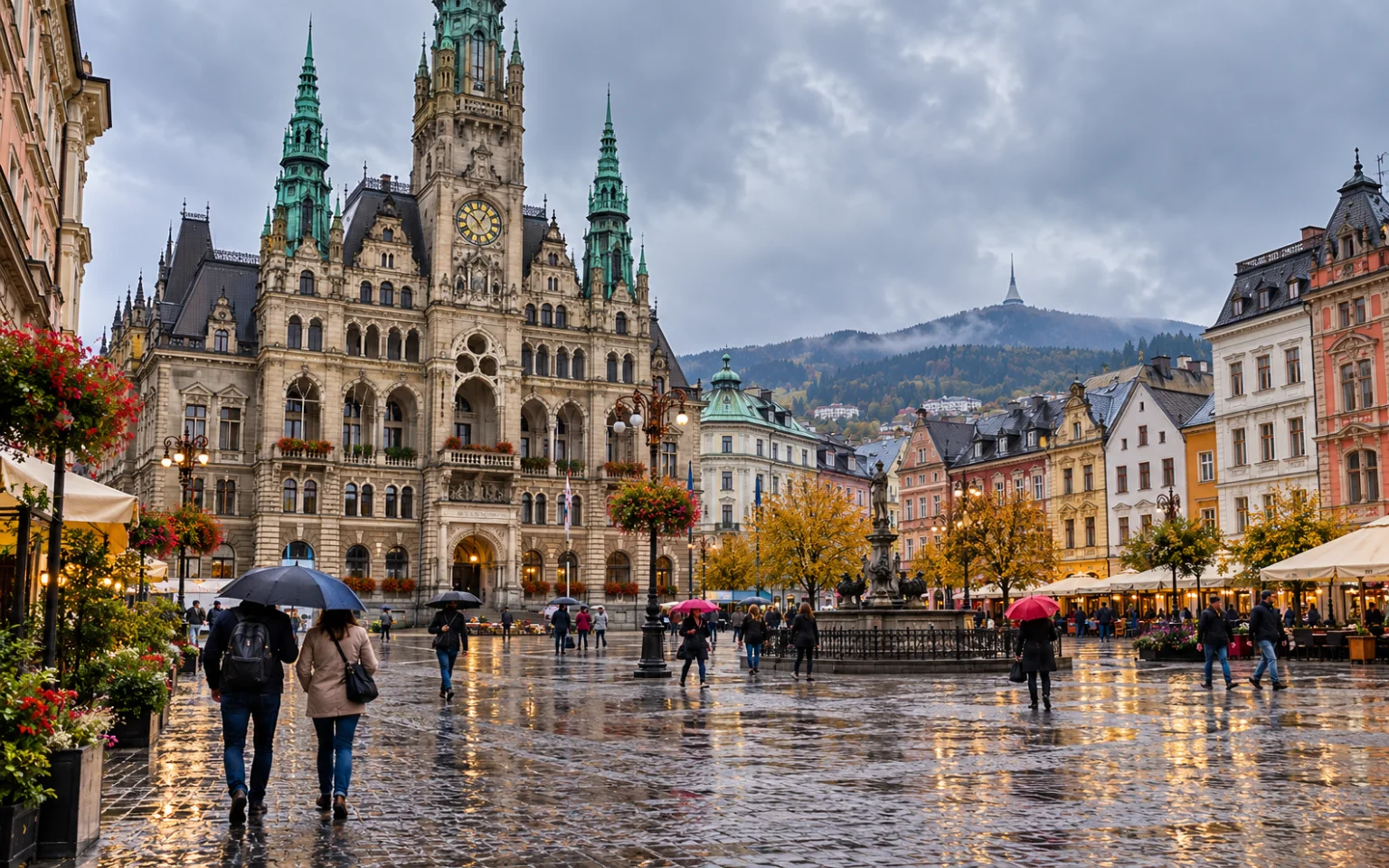
Cover: AI-generated illustration. © ANUSHKA DAHANAYAKE (PVT) LTD.
Olomouc has the monuments of a former Moravian capital and the rhythm of a university city, and its history is long. It was first mentioned in 1017, and a bishopric was founded or re-founded there in 1063. In 1306 King Wenceslas III was assassinated in the city, and the Přemyslid dynasty, which had ruled Bohemia for centuries, died with him. In 1479 the Peace of Olomouc divided the Kingdom of Bohemia between two kings. For centuries the city shared the role of Moravian capital with Brno, and it was raised to an archbishopric in 1777.
Two days suit the compact centre, because the Holy Trinity Column then becomes one stop in a larger story and not a single photograph. Students and residents use the same squares every day, so groups should stay compact and doorways clear.
Baroque pride in stone
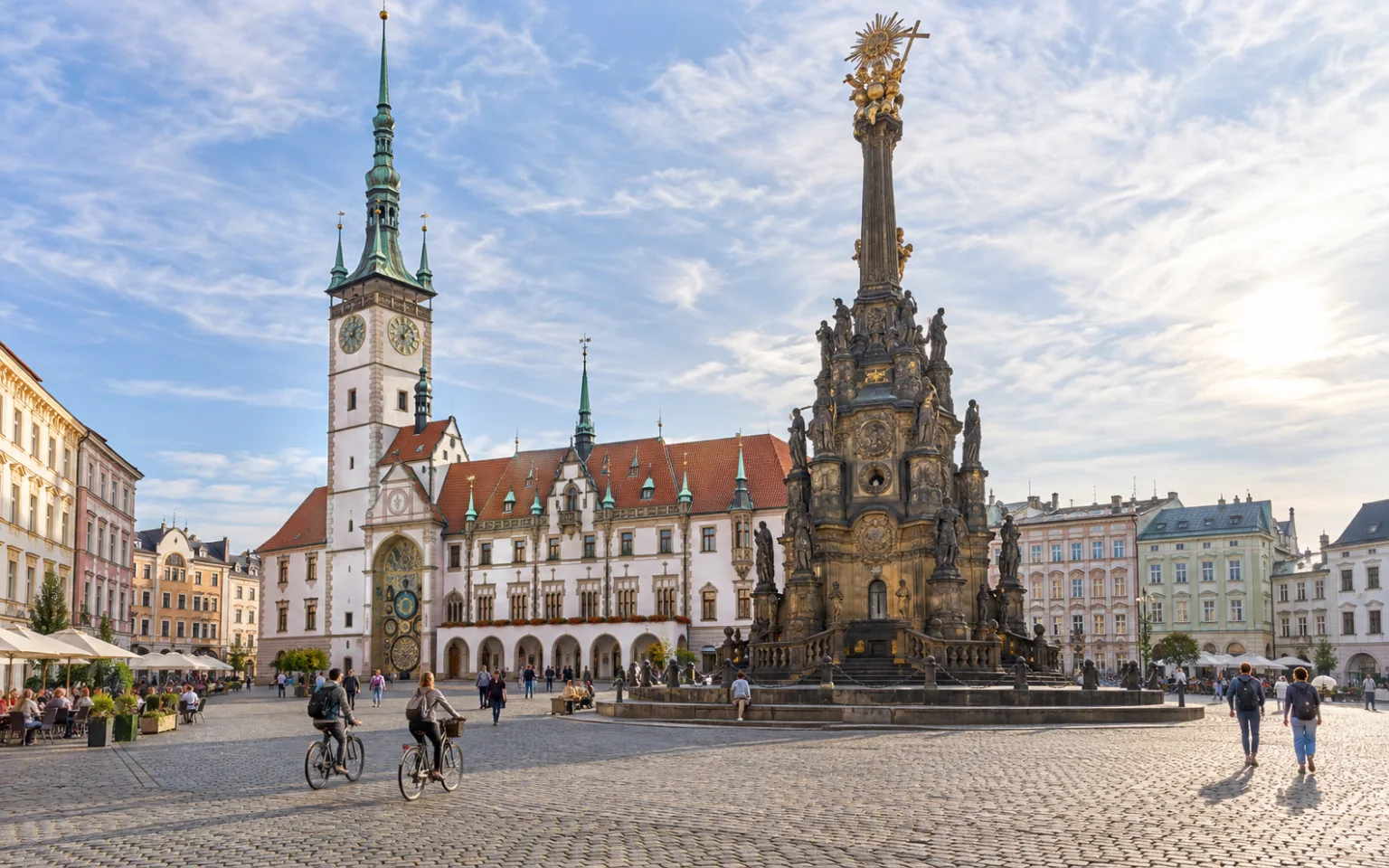
The Holy Trinity Column in the Upper Square is the city's emblem, a Baroque monument built between 1716 and 1754 and inscribed by UNESCO in 2000. The column is more than a single monument. It rises in a square lined with Baroque fountains that carry classical figures. The city tourism office says restoration of the column continues through the end of 2026, so scaffolding or limited views may affect a visit, and barriers should be respected. Walking around the base makes the scale clear: statues of saints, relief panels and a small chapel inside form a complete vertical story.
The astronomical clock on the town hall shows another side of Olomouc's history. After wartime damage it was rebuilt between 1947 and 1955 in a Socialist Realist style, with workers, athletes and farmers replacing saints and kings. It is an unusual case where a medieval mechanism carries the official ideology of a later era, which is why visitors often stop to read it carefully.
War, siege and university life
Olomouc also earned a reputation as a fortress. The Swedes occupied it for years in the 1640s and left it in ruins. In 1758 Frederick the Great's siege failed after seven weeks, and the Prussian army withdrew. Palacký University was founded in 1573 and is the second-oldest university in Czechia, which explains why students shape the city's cafés, bookshops and events even today. The tradition gives Olomouc a younger pulse than its heritage skyline suggests.
Cheese with a protected name
Few Czech foods are as particular as Olomouc tvarůžky, a small, soft, pungent cheese. It was first recorded in writing in 1452, and the name tvarůžky appeared in 1583. The cheese is made in Loštice and takes its name from the city where it was traditionally sold. Its fat content is about 0.5 percent, remarkably low, and in 2010 the EU registered it as a Protected Geographical Indication. Locals eat it fried, pickled in oil or baked, with beer, and visitors who dislike strong smells should treat it as an experiment, not a duty. Pastries, regional wines and beer from Moravian breweries round out the table, and bakery goods make practical breakfasts. Cheese products need refrigeration if carried onward.
Church, hill and fountain
St Wenceslas Cathedral, with neo-Gothic spires that dominate the eastern skyline, connects the city to earlier Moravian political history, and its tower, crypt and guided areas may involve separate access and stairs. Outside the centre, the pilgrimage basilica at Svatý Kopeček is an active religious site and a bus ride away. Dolní náměstí, the Lower Square, holds fountains with Roman deities and the modern Arion Fountain, which continues the civic tradition of public water sculpture. The fountains are public works, not pools, so supervise children and respect seasonal protection. These pieces of ecclesiastical, military and administrative history explain why churches, fortifications, barracks and university buildings sit so close together.
Two days built around the squares
Day one: the squares and the column. Start in the Upper Square, where the Holy Trinity Column, the town hall and the Baroque fountains sit within a few minutes of each other. Read the clock and the fountains first, then enter St Wenceslas Cathedral and the Přemyslid Palace area. Choose the Archdiocesan Museum or the Museum of Modern Art for the afternoon, noting that opening patterns differ by day. Read the labels and context at each stop.
Day two: cathedral, parks and a food stop. Begin at St Wenceslas Cathedral, avoid touring during services, then walk through the university streets toward the Baroque fountains and the green ring where the old fortifications stood, visit the botanical garden or the parks, and sit in one of the café courtyards that students favour. Try tvarůžky at a restaurant before buying any to carry, ask about allergens and order a small serving, not a dare. May, June, September and early October suit walking, winter markets enliven the squares, and cold, ice and early darkness affect tower climbs. University cafés are busy between classes, so release tables when finished.
Getting there, costs and etiquette
The railway station lies east of the centre, and frequent trams cover the short journey. Direct trains connect Olomouc with Prague, Brno and Ostrava, and city trams and buses are run by DPMO, whose website lists tickets. Stay within or beside the historic centre to walk everywhere. Pay in koruna and keep a card for restaurants. Festival weekends fill rooms, so reserve early.
Markets can fill both squares, so keep emergency lanes open, agree on a meeting point with children and ask before photographing stallholders closely. Churches are active places of worship, so lower voices and dress appropriately when asked. Cyclists share several park and street routes, so look both ways before crossing a marked lane. Squares and parks are free, while guided interiors and towers charge separately, so check live prices and concession rules on official pages. Cobbled squares are uneven in wet weather and mobility access varies across museums, so ask each venue about lifts and entrances.
For the national story, read what makes Czechia special, browse the Czechia destination hub or see more country guides. Pair Olomouc with Brno, its historic Moravian partner, or start in Prague.
Questions and answers
How long do visitors need in Olomouc?
Two days give the squares, cathedral, one museum and time for local food. A focused day trip works, but misses the city's evening university atmosphere.
Is Olomouc walkable?
Yes. Major centre sights are close together, and trams connect the railway station with the historic core and outer districts.
Why is the Holy Trinity Column UNESCO listed?
UNESCO recognises it as an outstanding Moravian Baroque monument and a strong local expression of faith, created in the eighteenth century.
Is Olomouc accessible?
Central squares are mostly level but paved with stone; historic churches and towers differ. Low-floor trams help, and each interior should be checked directly.
Sources
Prague · 50.0755° N, 14.4378° E
This story belongs to Olomouc, Czechia. Two historic lands, Bohemia and Moravia, with castles on almost every hill, a UNESCO puppet-theatre tradition and a lager that spread worldwide.