Vancouver First-Time Visitor Guide: Seawall, Forest and Peaks
Stanley Park, Musqueam, Squamish and Tsleil-Waututh heritage, Granville Island's industrial rebirth and the North Shore peaks: Vancouver's story and how to see it.
Vancouver's appeal comes from adjacency: dense neighbourhoods sit beside beaches, forests, harbour and mountains. The city is also built on layers of history, from Coast Salish territory to a saloon on Burrard Inlet and an industrial island that became a market.
A forest on the edge of downtown
Stanley Park opened in September 1888 and is named for Lord Stanley, who came to open it. Set aside earlier as a military reserve, it covers roughly 405 hectares, which is about 1,000 acres, and sources call it one of the largest urban parks in North America. Its seawall runs about nine kilometres, and the City says the circuit can take two to three hours on foot. At Brockton Point, a display of nine carved totem poles stands as a reminder that the park lies on the traditional territories of the Musqueam, Squamish and Tsleil-Waututh peoples. Approach the poles and cultural sites with context, not as anonymous decoration.
Gastown, the steam clock and Granville Island
Gastown takes its name from John Deighton, nicknamed Gassy Jack, an English mariner who arrived on Burrard Inlet in 1867 and opened a saloon, with mill workers building it, as the Canadian Encyclopedia and other sources recount. The Gastown steam clock, installed in 1977, is powered by the city's steam heating network, and the neighbourhood's social realities deserve the same awareness as its brick streets. Granville Island was originally called Industrial Island, and the redevelopment that began in 1975 turned its wood-frame machine shops into a public market by the late 1970s; designers kept some overhead cranes as a reminder. Visit early on weekends and sample from independent vendors.
Art and place at the Museum of Anthropology
At the University of British Columbia, the Museum of Anthropology's Great Hall was designed by Arthur Erickson, and the Bill Reid Rotunda displays Reid's yellow-cedar sculpture The Raven and the First Men, begun in 1978 and unveiled on 5 June 1980. Check current exhibitions before travelling, since building work has affected major institutions. The Great Hall and the Rotunda reward a slow visit, because the building, the cedar sculpture and the displays together show how architecture and sculpture can share one space.
Mountains by SeaBus
The North Shore peaks rise straight from the harbour. Take SeaBus from Waterfront Station to Lonsdale Quay and choose one objective: Grouse Mountain's managed access, the ticketed Capilano Suspension Bridge, or Lynn Canyon, a public park where trails can be steep or slippery and fast water is hazardous. Check same-day operating status, stay behind barriers and do not improvise river crossings. If fog erases the view, enjoy Lower Lonsdale and return. Whistler and Victoria deserve their own days; see our Victoria guide for island logistics.
Food from the ocean and across it
Vancouver eats as a Pacific city. Wild salmon, spot prawns in season and sushi shaped by the city's Japanese community share menus with Cantonese dim sum in Richmond, where the Gulf of Georgia Cannery preserves the salmon-fishing past, and Indian food in Surrey. Reserve special meals, but bakeries, food courts and markets show the city as well. Ask before assuming seafood is locally harvested or sustainable.
When to go
June to September is the driest and warmest stretch, with beaches and patios at their liveliest, and also the busiest, with cruise ships in port. Spring brings cherry blossom and the chance of mountain snow and sea on one day. From October the city is mild and wet, prices ease and the mountains gain snow; pack waterproofs and plan galleries, museums and food neighbourhoods for poor visibility.
Days that match the geography
With one day, keep to the downtown peninsula: Canada Place and Coal Harbour, a sensibly sized Stanley Park route, then the West End and English Bay. With two days, add Granville Island and False Creek plus one museum; this is the strongest rain-flexible plan. With three days, add the North Shore choice above. Check the live City of Vancouver Stanley Park notice before committing to the seawall loop, because storm damage and upgrades can close sections. Cyclists keep to their lane, and pedestrians should not drift into it for photographs. If time is short, explore Brockton Point and an out-and-back section instead.
Chinatown holds living community history and businesses under development pressure; do not photograph vulnerable people or reduce it to a quick aesthetic stop.
Getting there and moving around
The Canada Line connects YVR–Airport Station with Waterfront Station in about 25 minutes, according to TransLink's visitor guide; check that the train is labelled for YVR, since some services branch toward Richmond–Brighouse. Use a Compass Ticket or Card, day pass, or one contactless card or wallet per adult. On SkyTrain and SeaBus tap in and out with the same card or device; on buses tap on boarding only. Verify zones and transfers in TransLink's fare guidance. Downtown suits a first visit, the West End is residential with easy park access, and Yaletown suits restaurants.
Vancouver is a start for Alaska cruises and Vancouver Island trips, but terminals are not interchangeable: Canada Place is downtown while BC Ferries sail from Tsawwassen or Horseshoe Bay, which take meaningful time to reach. Do not treat a cruise docking time as the moment you can reach the airport.
Rain, smoke and safety
A hooded waterproof jacket beats an umbrella on exposed paths. Check Environment and Climate Change Canada's alerts and Metro Vancouver's air-quality advisories; strenuous exercise in unhealthy smoke is not worth the view. On trails, carry water and a layer, tell someone your route, stay on marked paths and do not approach wildlife.
TransLink says all SkyTrain stations have elevators, but an outage matters, so check station-access alerts and note an alternative. Call 911 when a life is in danger or a crime is happening or has just happened; British Columbia's reporting guide explains non-urgent reporting. Mobile reception weakens on trails. Accommodation is usually the largest cost, so build the budget around one paid attraction and use parks and beaches for the rest.
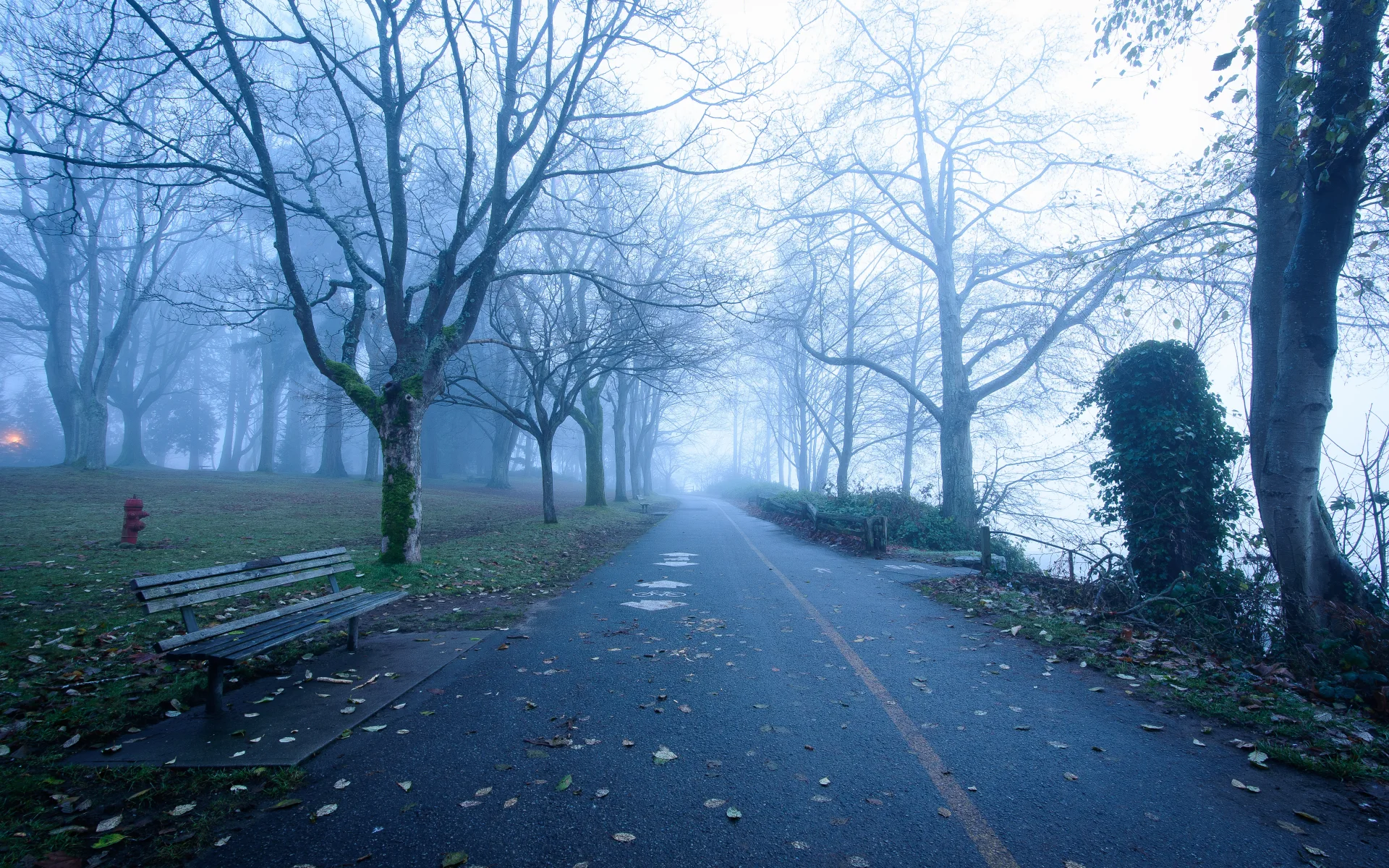
Cover photograph: “By the seawall, foggy” by Colin Knowles, photographed 9 December 2017 and shared via Wikimedia Commons under CC BY-SA 2.0. The geotag places the scene on Vancouver's seawall. Cropped to the article's responsive 16:10 format; no generative imagery used.
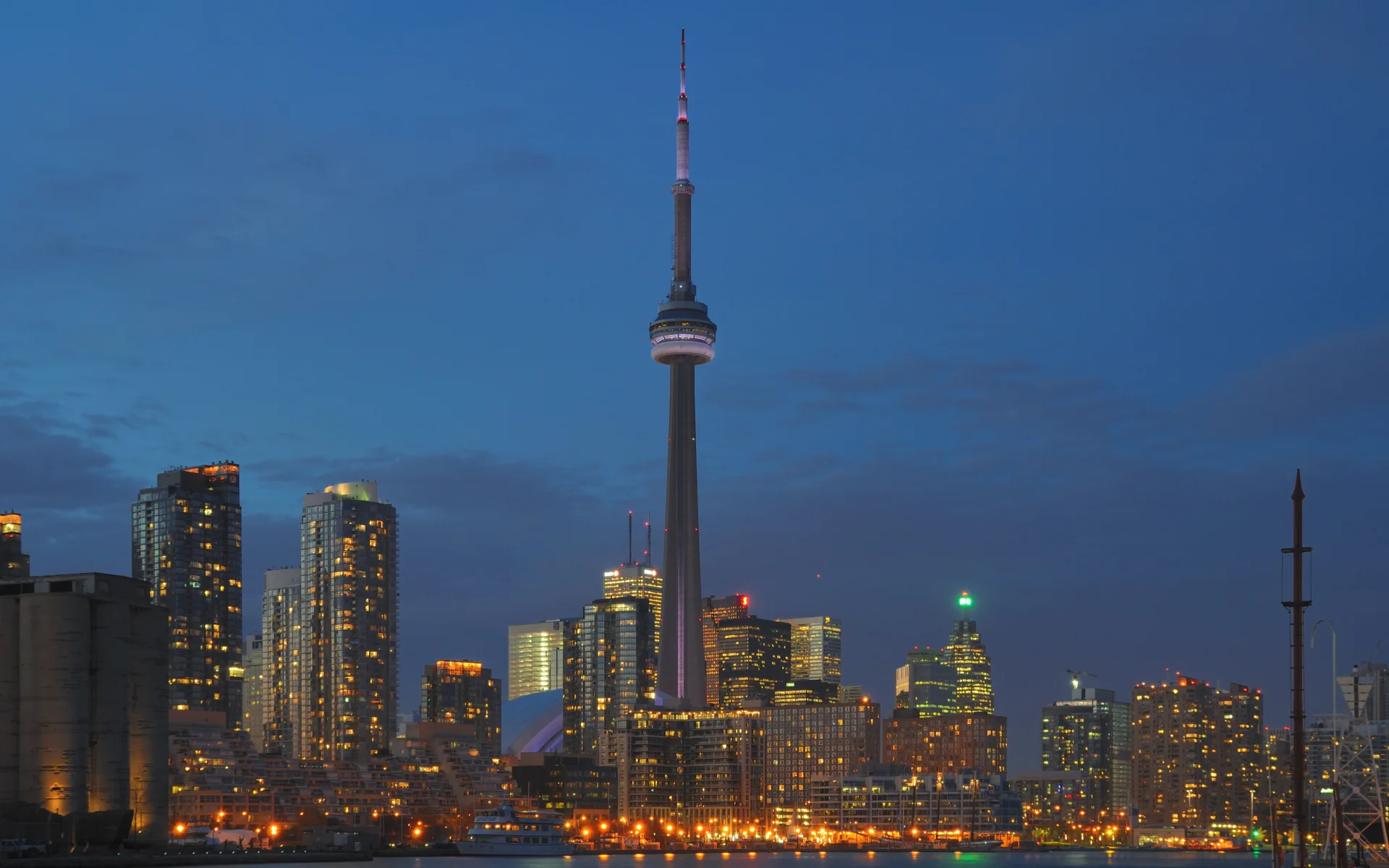
Continue through the Canada destination hub, plan an alpine extension with our Banff without a car guide, or choose another urban stay with our Toronto first-time visitor guide.
Questions and answers
How many days do first-time visitors need in Vancouver?
Three full days work for the central city, Stanley Park and one North Shore or cultural outing. Add days for Whistler, Vancouver Island or longer mountain activities rather than forcing them into a city weekend.
Can you visit Vancouver without renting a car?
Yes. SkyTrain, buses and SeaBus connect the airport, downtown and many visitor areas. A car is unnecessary for this itinerary and can create parking problems.
Does it rain all day in Vancouver?
Multi-day wet systems occur, especially in cooler months, but conditions vary. Pack waterproof layers and shoes, then use museums, galleries and food neighbourhoods when visibility is poor.
Is Vancouver Island a day trip from Vancouver?
It is possible but often rushed because reaching ferry terminals, sailing and onward transport take significant time. Stay overnight when Victoria or another island destination is a priority.
Sources
Toronto · 43.6532° N, 79.3832° W
This story belongs to Vancouver, Canada. The second-largest country by area, shaped by Indigenous nations, two official languages, newcomers from every continent and a national park system begun at Banff.