What Makes Salzburg Special: Mozart, a Salt-Built Fortress and the Festival Founded in 1920
The salt wealth, prince-archbishops, Mozart, Silent Night and the Salzburg Festival behind the Baroque skyline, with advice on seeing them well.
Cover: AI-generated illustration. © ANUSHKA DAHANAYAKE (PVT) LTD.
Salzburg's name points to its first source of wealth. Salt extraction, trade and gold mining paid for a city that became an archbishopric in 798, and the prince-archbishops who ruled it until 1803 left a Baroque centre that UNESCO listed as a World Heritage Site in 1996. Out of that setting came Wolfgang Amadeus Mozart, the carol "Silent Night" and a summer festival that has run since 1920. Locals are proud of all of it, and rightly so.
From Roman Iuvavum to prince-archbishops
The city stands on the site of the Roman settlement Iuvavum. Bishop Rupert is credited with reviving it around 696, and it became an archbishopric in 798. Its ruling archbishops were princes of the Holy Roman Empire, and in the seventeenth century Italian and Austrian architects rebuilt the centre in the Baroque style. That history had a dark side: in 1731 Archbishop Firmian expelled Protestant citizens who refused to convert, and most of them settled in Prussia.
Hohensalzburg, begun in 1077
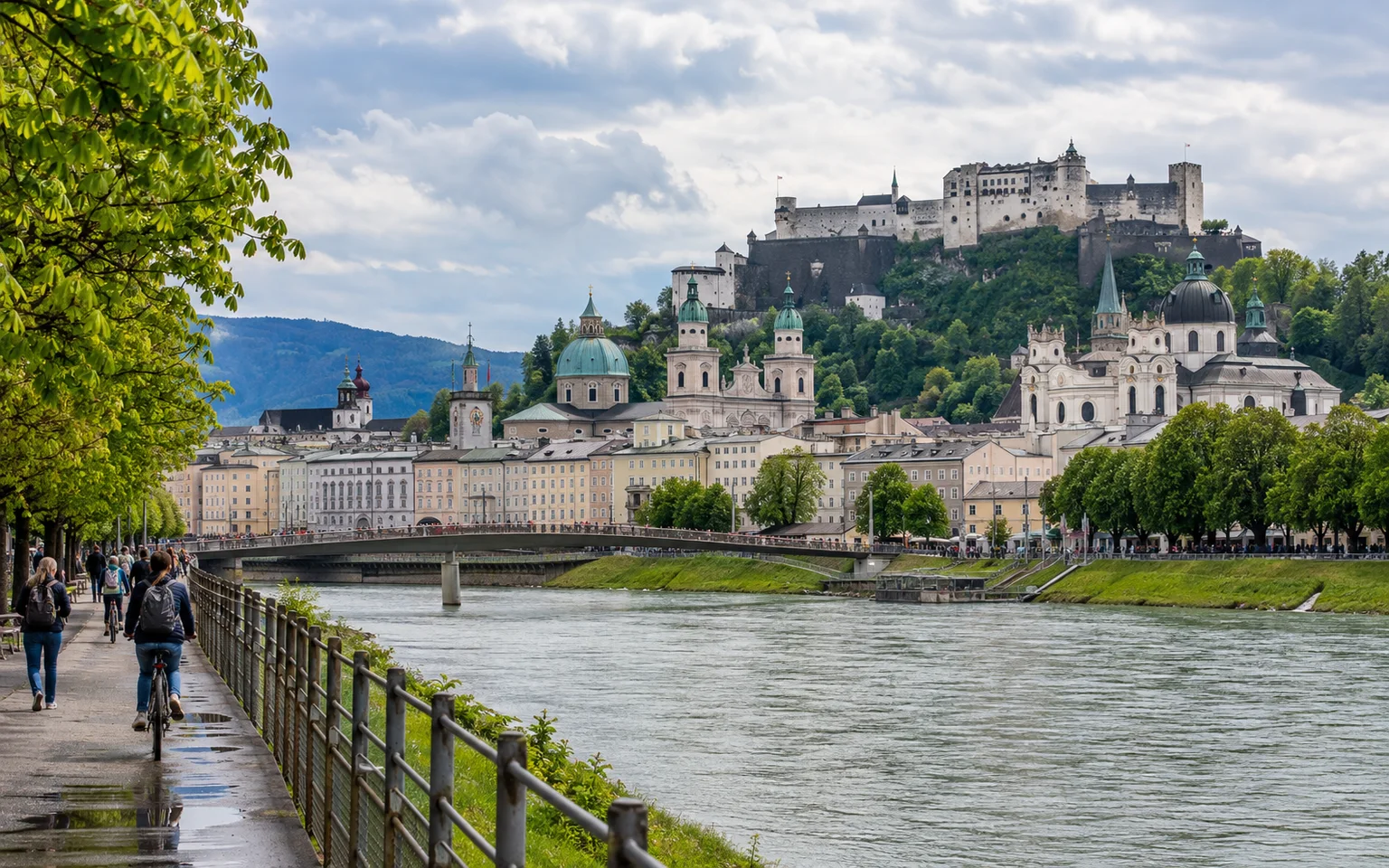
Hohensalzburg Fortress began in 1077 under Archbishop Gebhard von Helfenstein, on a site that already held a Roman fort. It is one of the largest medieval castles in Europe and one of the best preserved. Archbishop Leonhard von Keutschach, who ruled from 1495 to 1519, expanded it and had the state apartments installed from 1498. The Salzburg Bull, an organ built by Keutschach in 1502 and renewed in 1735 by Rochus Egedacher, is among its surviving curiosities. The fortress was besieged only once, in the Peasants' War of 1525, when the rebels failed to take it. The Festungsbahn funicular opened in 1892, and a separate freight funicular, the Reisszug, is described in a text from 1515 and is probably the oldest operational railway in the world.
Mozart's house on Getreidegasse
Wolfgang Amadeus Mozart was born on 27 January 1756 at Getreidegasse 9. The Mozart family lived on the third floor from 1747 to 1773, and the house has been open as a museum since 1880. It holds his childhood violin and family documents, and the clavichord on which he composed The Magic Flute. Mozart left for Vienna in 1781 after clashing with Archbishop Colloredo.
The family moved in 1773 to the Tanzmeisterhaus, which is also a museum. Paul Fürst created the Mozartkugel in 1890 as the "Mozart-Bonbon": pistachio marzipan covered in nougat and dark chocolate. It won a gold medal at a Paris fair in 1905, and a 1996 ruling established that only Fürst's products may be called original Salzburg Mozartkugeln.
"Silent Night" and Christmas
Joseph Mohr, a Catholic priest, wrote the words of "Stille Nacht" in 1816, and Franz Xaver Gruber, a schoolmaster and organist, composed the melody in 1818. The carol was first performed on Christmas Eve 1818 at St Nicholas church in Oberndorf bei Salzburg, with guitar accompaniment, possibly because flooding had damaged the organ. UNESCO named it an intangible cultural heritage in 2011. It has been translated into about 300 languages and is one of the most recorded Christmas songs.
The festival that began on the cathedral steps
The Salzburg Festival opened on 22 August 1920. Its founders were Hugo von Hofmannsthal, Richard Strauss, Alfred Roller, Franz Schalk and Max Reinhardt, and the first performance was Hofmannsthal's Jedermann, directed by Reinhardt, on the steps of Salzburg Cathedral. Jedermann is still performed on Cathedral Square. The first festival hall opened in 1925, the Felsenreitschule became a theatre in 1926, the Great Festival Hall opened in 1960, and the original hall reopened in 2006 as the Haus für Mozart. Today the festival runs for five weeks from late July to the end of August.
The Trapp Family Singers performed at the festival in 1936, a performance linked to the story behind The Sound of Music.
A baroque city that survived the war
Nazi Germany annexed Austria in March 1938, and Jewish citizens and others were persecuted in Salzburg. Allied bombing destroyed much of the city in the Second World War, but much of its Baroque architecture survived, and American troops arrived in May 1945. The historic centre that UNESCO inscribed in 1996 is therefore both a monument and a record of repair, and the clean rooflines of the old town owe something to careful postwar restoration.
Seasons, costs and booking
Summer and the festival weeks bring the longest days and the heaviest crowds, so book rooms and performances early. Winter is colder and quieter, with a more local feel and shorter opening hours at some attractions. The fortress, the Mozart museums and many churches charge admission, and combined tickets or city passes may or may not pay off, so add up the sights you actually plan to enter before buying. Cafés and bakeries near the main squares cost more than those a few streets away.
Seeing it in two or three days
The practical side follows the story. Start with Hohensalzburg, walking up or taking the 1892 funicular, then descend through the old town to Getreidegasse and the cathedral. A second day can cover the two Mozart museums, and a third suits a day trip into the Salzkammergut.
Salzburg Hauptbahnhof receives frequent Austrian trains and cross-border services from Germany. Timetables change, so use the operator's site rather than a copied schedule. The old town is compact and walkable, and public transport, including trolleybuses, serves the outer sights. For a first itinerary, give the fortress and old town a full day, then add the Mozart sites and a quiet riverside walk on the second.
Accessibility is uneven. The fortress is reached by funicular or a steep path, the old town's cobbles and narrow lanes slow wheelchairs and pushchairs, and several historic buildings have steps at the entrance, so contact venues about lifts and ramps. Keep valuables close in crowded lanes during festival weeks.
Book early if you plan to attend the festival in late July or August: both tickets and rooms are under heavy pressure, and even visitors without tickets face higher rates. Cobbles, steep fortress paths and historic buildings make access uneven, so check specific venues before arrival. Churches are active places of worship, so dress and photograph with care.
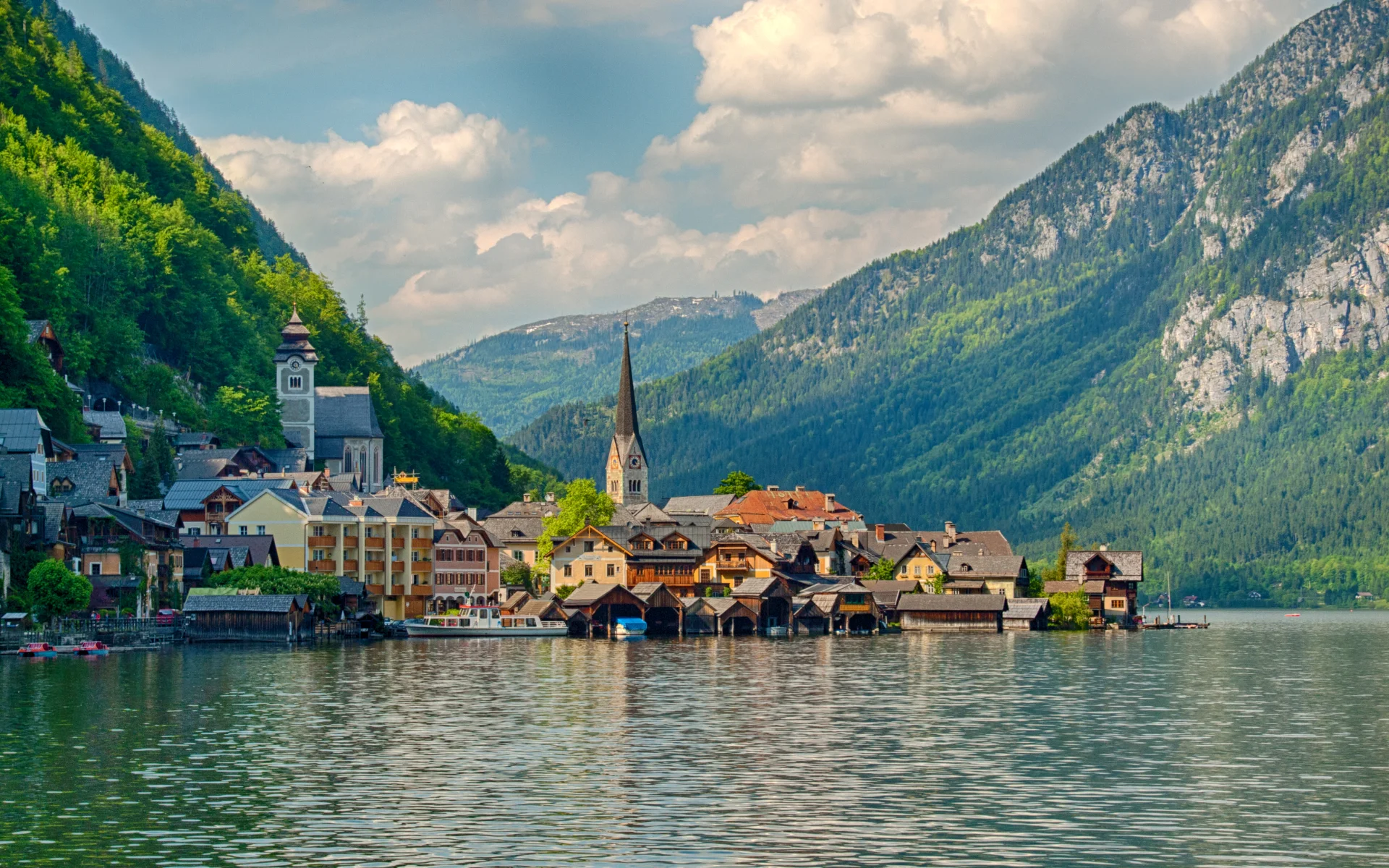
Salzburg pairs naturally with the lake village of Hallstatt, and the Zell am See guide gives another Alpine base. For other Austrian cities, compare Vienna, Innsbruck and Graz, and read what makes Austria special or browse the Austria places page.
Questions and answers
How many days are enough for Salzburg?
Two days cover the fortress, historic centre, Mirabell and one Mozart museum. A third day creates room for Hellbrunn, Untersberg or a carefully chosen lake or salt-mine excursion.
Is the Salzburg Card worth buying?
It can be good value when you plan several included attractions and public transport on consecutive days. Compare the current inclusions and opening hours with your actual itinerary before buying.
Can Salzburg be visited without a car?
Yes. Rail connections are strong, the old town is compact, and trolleybuses reach Hellbrunn and other outer sights. Regional excursions require more timetable planning.
When should Salzburg Festival visitors book?
Reserve accommodation and desired performances as soon as dates are confirmed. Late July and August are the most pressured weeks, and even visitors without tickets face higher room rates.
Sources
Vienna · 48.2082° N, 16.3738° E
This story belongs to Salzburg, Austria. A country whose best-known exports are carried in the head: a carol, a waltz rhythm, Mozart and an hour over one coffee.