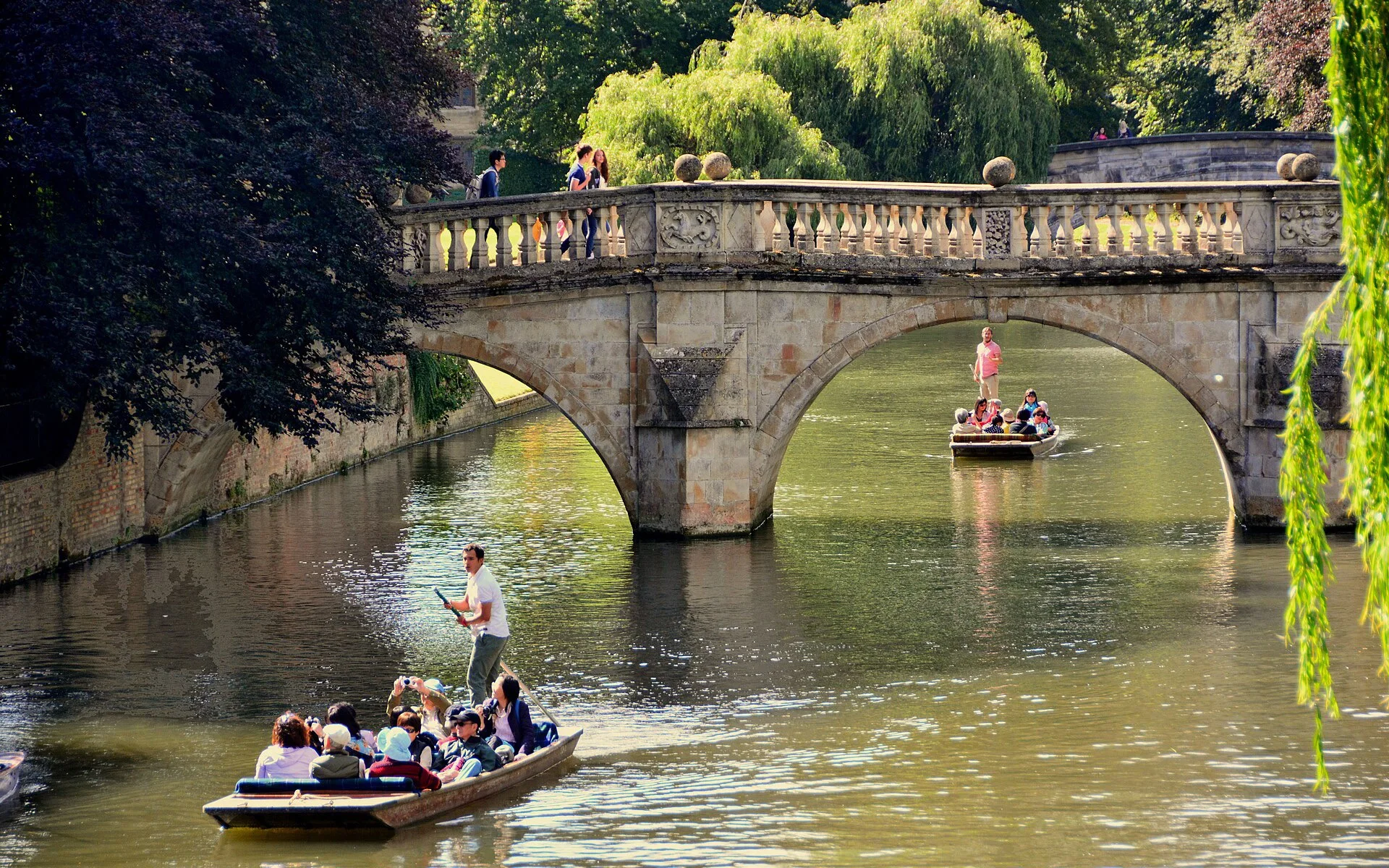
York Without a Car: Walls, Minster and Railway Museum in Two Days
A practical rail-based York plan that groups the walls, Minster, medieval centre and National Railway Museum without unnecessary walking or a rushed checklist.
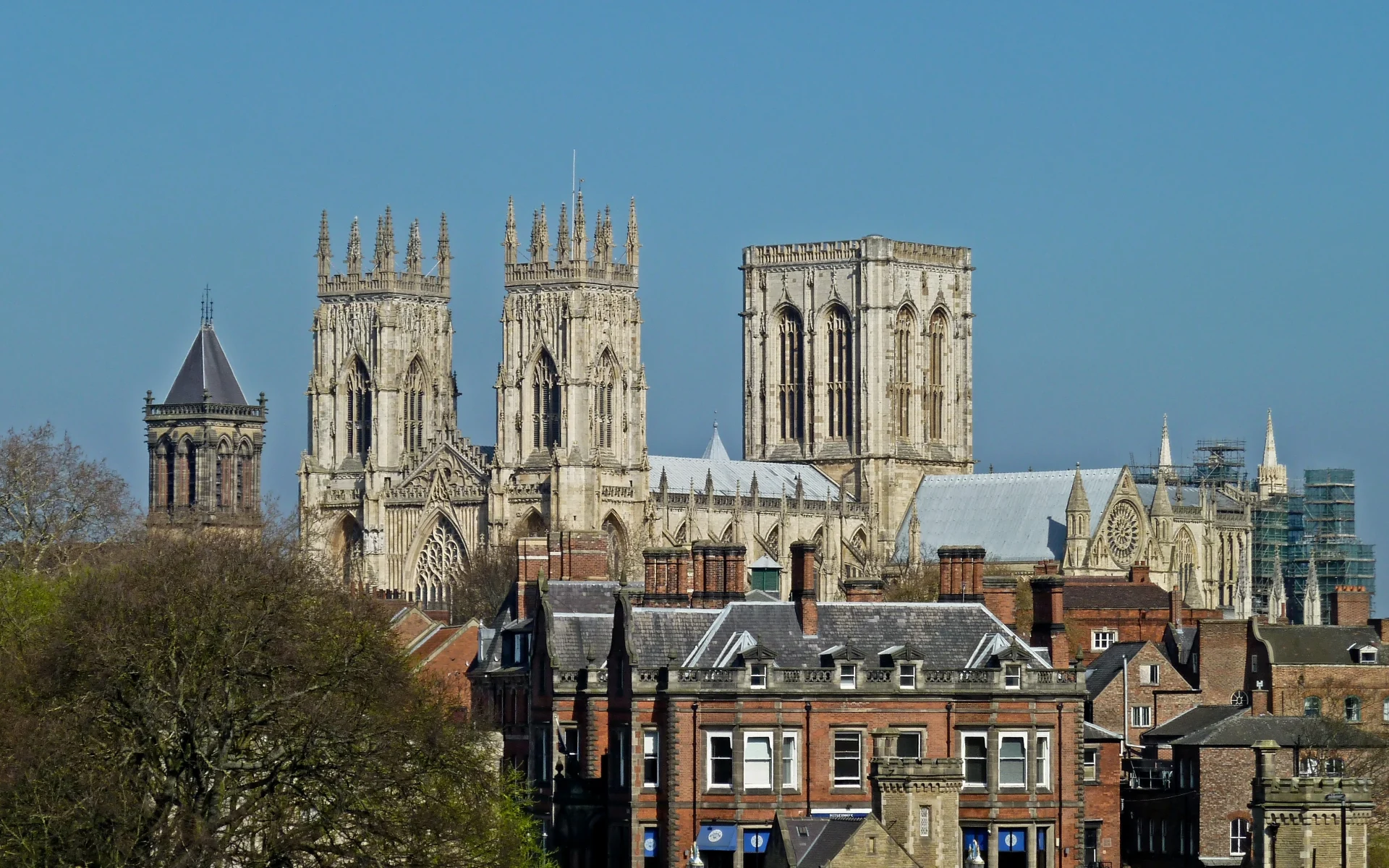
York works particularly well without a car because the railway station, walls, Minster and medieval centre sit close together. The main planning mistake is crossing the centre repeatedly. Give the first day to the historic core and the second to the railway museum, river and whichever missed area genuinely interests you.
Cover photograph: “York Minster, from the City Walls” by Tim Green, licensed CC BY 2.0. Cropped to 16:10 and converted to WebP; no generative alteration.
Why York matters: two thousand years inside one wall
York began as Eboracum, a Roman legionary fortress that the City of York Historic Environment Record dates to around AD 71-74. Around AD 107-8 its first turf-and-timber defences were replaced in stone, and parts of today's City Walls still follow the fortress lines; Roman masonry survives in places such as Museum Gardens. In 306 Constantine the Great was declared emperor here, the moment York Minster's own timeline places at the start of the city's Christian story.
The Minster itself traces its roots to 627, when Bishop Paulinus baptised King Edwin of Northumbria in a small wooden church, probably on the site of the Roman fortress. A stone church followed, then a new cathedral begun around 1080 after the building was burnt in 1069. Rebuilding of the east end began in 1154, and after work on a new south transept started around 1225, the present Gothic Minster took roughly another 250 years to emerge. Its Great East Window, glazed by John Thornton between 1405 and 1408, still fills the east end with medieval colour, and the building remains a working church with daily worship.
The city's later identity is bound up with the railway. In 1975 the National Railway Museum opened in a former locomotive depot beside the station, a decision the museum describes as an important step in spreading national museums beyond London. Locomotives, royal carriages and the social history of rail travel now sit a few minutes' walk from Roman and medieval stone.
What people who live here tend to value is that continuity: a cathedral still in use, a street plan shaped by Romans and medieval guilds, walls you can walk on, and a station at the centre of its railway story. Seeing all of that well depends less on a car than on the order in which you walk it, which is where the practical plan begins.
Arrive by rail and leave the luggage once
York station is west of the walls. If you arrive before check-in, use confirmed accommodation storage or a staffed commercial facility instead of carrying luggage onto the walls. The centre's cobbles, steps and narrow pavements make wheeled cases awkward. Walk or take a short bus to your base, then begin the route without bags.
For the simplest stay, choose somewhere between the station and Minster or close to a central bus corridor. A riverside address can look near on a map yet require steps or a longer bridge approach, so inspect the actual walking route before booking.
Day one starts with access, not a checklist
Check the York Minster visitor page for opening periods, worship, events and tower access. The Minster remains a working church; visitor admission can pause for services. Book any element that matters to you, then build the day around that fixed time.
Approach through Exhibition Square or Stonegate, visit the Minster, and continue through the medieval streets towards the Shambles area. These lanes become congested in the middle of the day. An early visit makes it easier to see the buildings and keeps doorways clear for residents and businesses. Instead of queueing for every photographed shop, choose one local stop and keep moving.
Use one wall section well
York's walls form a long circuit, but completing every section is unnecessary on a first weekend. The council's City Walls information should be checked for opening times and closures, especially during ice, high winds or maintenance. Select a section that fits your route—Bootham Bar towards Monk Bar for Minster views, for example—then return to street level before fatigue changes the day.
The walls have steps, exposed edges and uneven places. A street-level alternative can follow the same gates and landmarks without pretending to be step-free everywhere. Ask venues about lifts and entrances individually; historic York does not have one universal accessible route.
Let rain decide the afternoon
For dry conditions, continue to Clifford's Tower area, the riverside and the surviving streets around Walmgate. For sustained rain, choose one indoor anchor such as York Castle Museum, Yorkshire Museum or a longer Minster visit. Confirm opening and admission directly, since not every museum opens daily.
Flooding can affect riverside paths even when central streets remain open. Barriers and closure signs are instructions, not photo opportunities. Use higher streets and bridges when the Ouse is high.
Day two belongs to rail history and the river
The National Railway Museum sits close to the station but its access arrangements can change during major works. Check its official visit page for current entrances, galleries, tickets and accessibility. Allow at least half a day if engineering, locomotives or social history interest you; it is not merely a wet-weather waiting room.
Afterwards, return via the station or riverside depending on conditions. Add a river cruise only if its route, boarding point and accessibility suit your group. Otherwise walk a short, open section and stop before the route forces another full circuit of the centre.
Buses, tickets and a workable departure
iTravel York brings together local transport and active-travel information. Use current operator details for fares and service changes. Contactless payment may be convenient, but groups, children and concessionary travellers should confirm the right ticket before boarding.
On departure day, keep the final activity west or north of the centre so you do not cross York with bags. A final museum hour, coffee near the station or short riverside walk is more reliable than a distant timed attraction.
Put the fixed times in the right order
The Minster and any booked museum exhibition are the day's fixed points. A river cruise, meal reservation and wall walk should remain movable. Before travel, write the opening window for the Minster, the last admission for the railway museum and the wall closure time. Then remove any activity that requires crossing the centre twice.
For a first day beginning around 10:00, a workable sequence is Minster, central streets, lunch and one wall section, followed by an indoor or riverside choice. Do not book the Minster tower immediately after a long rail journey if stairs or vertigo may be an issue. The tower has its own physical demands and access rules; consult the official page rather than assuming general admission includes it.
On day two, arrive at the railway museum near opening if it is a priority. Leave the afternoon unscheduled until you know how long the collection holds your attention. Families and railway enthusiasts may need most of the day, while other visitors may prefer two hours and a river or garden route.
Spend on the experiences that need it
York can combine paid heritage with public streets and walls. Compare the actual inclusion and validity of any city pass against the attractions you will enter; a pass does not save money when it encourages visits you did not want. Book direct when a timed attraction is essential and retain the confirmation offline.
Food close to the Minster and Shambles can be busy at conventional lunch times. Moving one or two streets away or eating earlier reduces queues. Reserve only when a particular meal matters, and tell the venue about allergies before arrival. Market stalls and historic premises may have limited seating or step-free access, so identify a dependable alternative.
Avoid the four common car-free mistakes
First, do not assume the walls are a shortcut: entrances and exits may be farther apart than expected. Second, do not carry luggage over cobbles and steps when storage is available. Third, do not rely on a riverside path after heavy rain. Fourth, do not schedule the last attraction on the opposite side of the centre from your train.
Winter brings shorter wall hours and possible ice closures; summer brings crowd pressure and longer daylight. Race meetings, festivals and university events can affect accommodation and transport. Check the official event calendar and rail engineering notices before choosing a weekend, then keep the itinerary compact enough to survive one closure.
Visitors using wheelchairs or mobility aids should ask each venue for the named accessible entrance. The Minster, museum and streets have different constraints. A taxi between the station and accommodation may preserve energy for the visits themselves; it is not a failure of a car-free plan.
Continue through the United Kingdom hub, compare another historic rail break in our Edinburgh first-time guide, plan a different compact heritage city with the Bath day-trip guide, or continue north with the Manchester first-time guide.
Questions and answers
What is York known for?
York began as the Roman fortress of Eboracum around AD 71-74, saw Constantine declared emperor in 306, and grew around York Minster, whose roots go back to King Edwin's baptism in 627. It is also known for its walkable City Walls and the National Railway Museum, opened in 1975.
Do York Minster and the National Railway Museum need advance booking?
Check both official booking pages before travelling. Minster services and special events can change visitor access, while the railway museum may use timed or free-ticket arrangements during busy periods.
Are York's city walls accessible?
The elevated walls use steps, narrow sections and uneven surfaces. Visitors who cannot use them can follow streets and riverside paths below, but should check current closures and accessible routes with the council and individual venues.
Sources
London · 51.5074° N, 0.1278° W
This story belongs to United Kingdom. Four nations with their own pride, from Neolithic monuments and Norman fortresses to the first steam passenger railway between cities.