Gold Coast First-Time Visitor Guide: Beaches, Parks and Hinterland
The Gold Coast is Yugambeh country, a surf city that took its name in 1958 and sits below Gondwana rainforests listed as World Heritage in 1986.
Cover: AI-generated illustration. © ANUSHKA DAHANAYAKE (PVT) LTD.
The Gold Coast sits on the ancestral lands of Yugambeh clans, among them the Kombumerri, Mununjali and Wangerriburra. Europeans arrived in 1823, when John Oxley explored the Tweed River, and Nerang, the earliest township, dates to 1865. The name came later and by accident: from about 1950 the area was nicknamed the Gold Coast because of inflated real estate prices, and the Town of South Coast was renamed the Town of Gold Coast in October 1958. It was proclaimed a city in May 1959. Today it is Australia's largest non-capital city, and tourism, with nearly 10 million visitors a year, is its main industry.
The coast's best-loved attraction began as a gardener's problem. In 1947 Alex Griffiths opened the Currumbin Bird Sanctuary, started because he was feeding wild lorikeets to stop them destroying his flower farm and eating honey from his hives. The daily lorikeet feeding became an attraction and grew into Currumbin Wildlife Sanctuary, which Griffiths gave to a trust in 1976. It remains a place where local wildlife, not a ride, is the draw.
Inland, the green wall behind the towers is older than the continent's current shape. Springbrook and Lamington national parks belong to the Gondwana Rainforests of Australia, inscribed in 1986 as the Central Eastern Rainforest Reserves, extended in 1994 and renamed in 2007. The site covers 41 reserves and about 370,000 hectares, and it shelters species whose lineages trace back to before Australia separated from Gondwana some 180 million years ago, including early ferns and conifers and more than 200 rare or threatened species. Lamington alone covers 20,500 hectares.
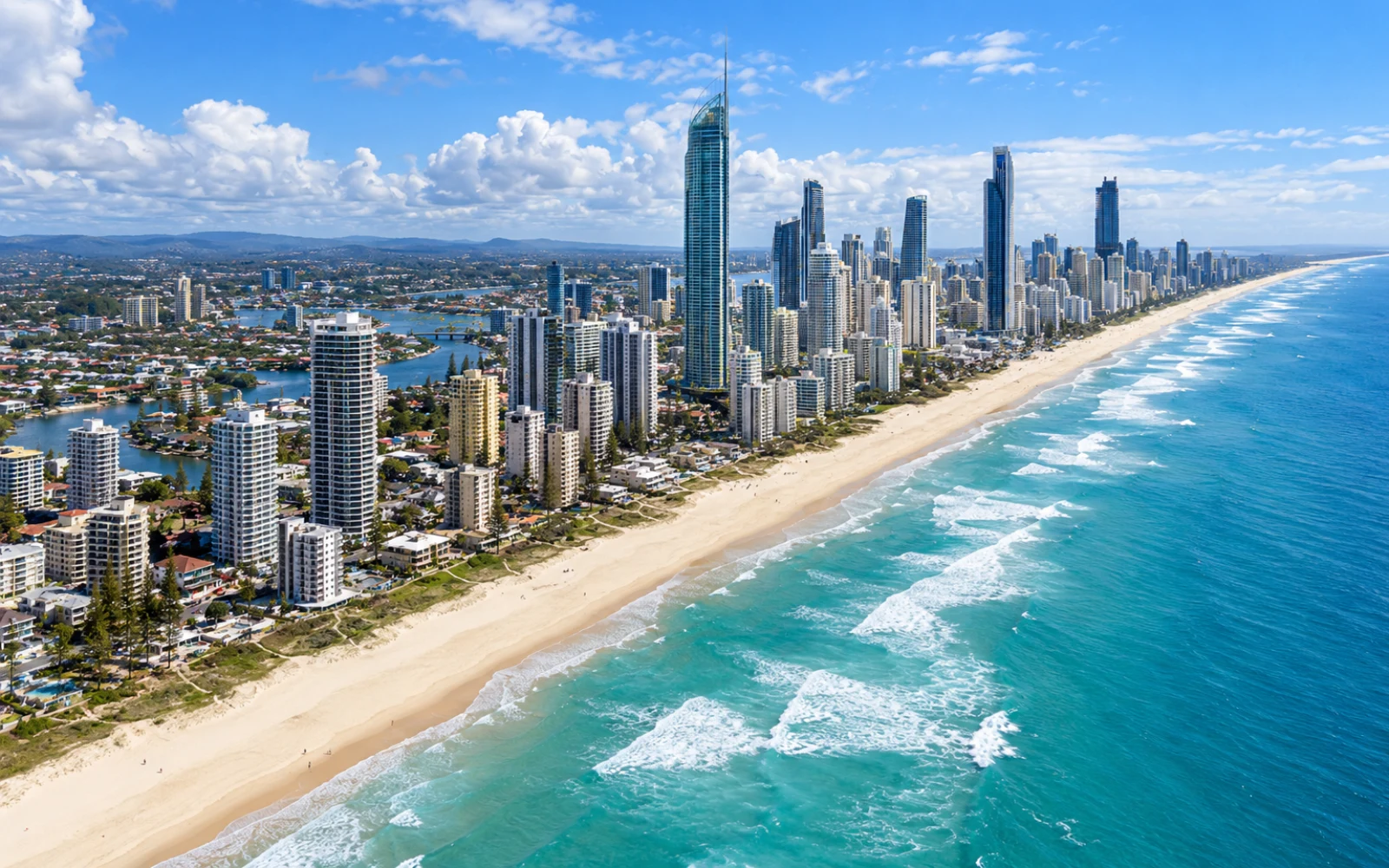
The modern city carries its own cultural claims. Home of the Arts, known as HOTA, is the city's premier visual and performing arts facility, and the 2018 Commonwealth Games put the coast on a global screen. The city also accounts for about 75 per cent of Queensland's film production since the 1990s, which is why studios, and not only resorts, belong to the local identity. Lifeguard flags and patrol towers are part of the civic landscape too, and learning what they mean is the first cultural lesson of a beach stay. The Q1 tower, at 322.5 metres, is described as Australia's tallest building, and the observation deck on top is the quickest way to see how a narrow strip of sand, canals and hinterland fits together.
Beach, light rail and one theme-park day
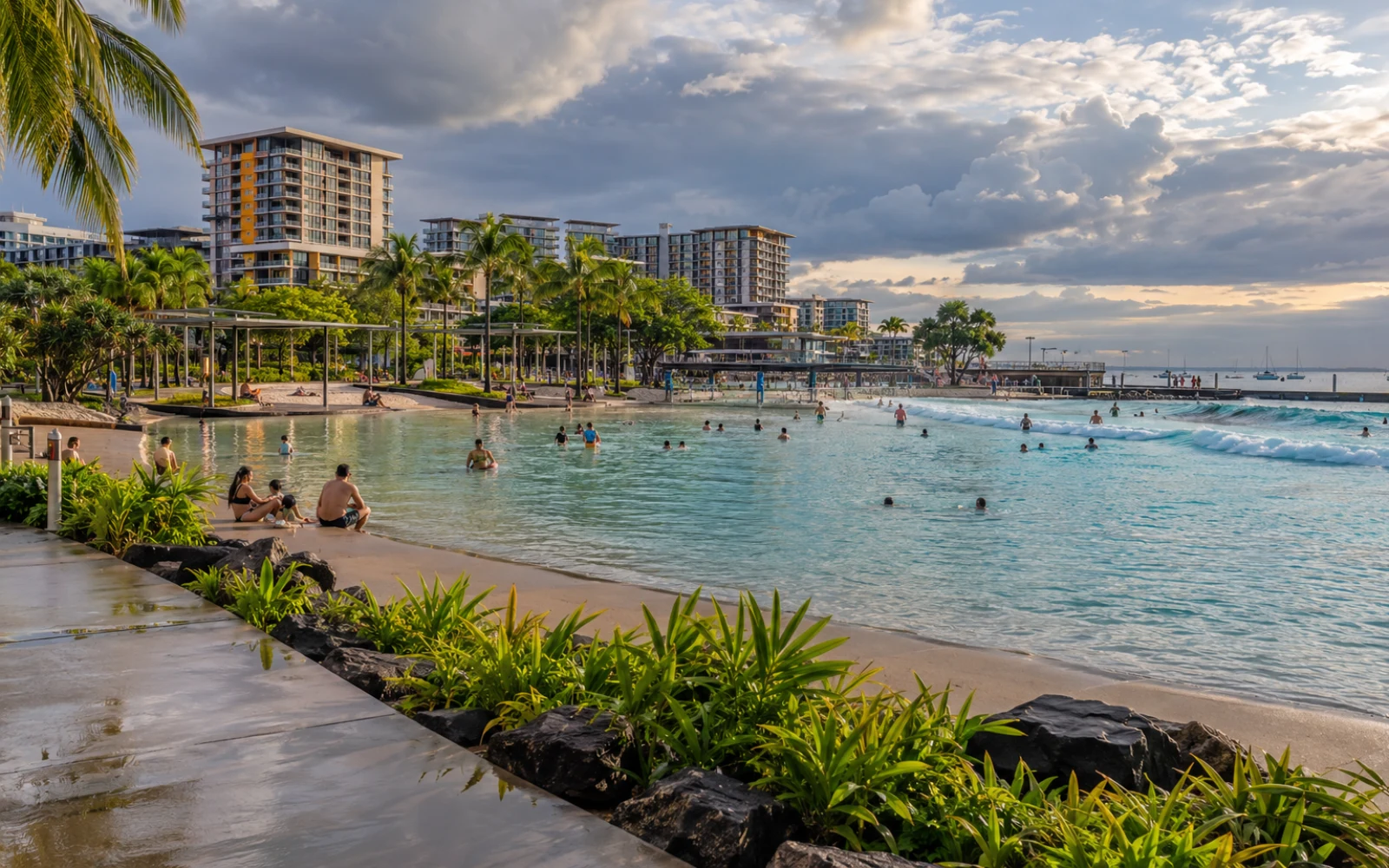
Begin at a patrolled beach and speak to a lifeguard if flags or currents are unclear, then swim only between the red and yellow flags. Rip currents are the main visitor hazard, so do not move outside the flags for a quieter patch and do not attempt a rescue without flotation and training. The G:link light rail links Surfers Paradise and Broadbeach, and choosing stops beats collecting them.
Theme parks are full-day activities once queues and meals count. Choose the park that fits the group, not a multi-park pass, check height rules and ride closures, and take a flexible ticket if the forecast is unstable. Some rides close for wind or lightning.
Burleigh Heads combines a beach, a headland national-park walk and food in one area. Walk early, stay behind barriers and carry out rubbish. Currumbin Wildlife Sanctuary deserves most of a day and its keepers' instructions, and wild animals met outside a managed setting must never be touched or fed.
Getting around and eating well
The G:link connects the central neighbourhoods and links with buses, but official journey planning is essential for theme parks and the southern coast. Tap-on rules and accepted payment methods can change, so check Translink before boarding and allow time for connections rather than trusting a two-minute transfer.
Accommodation, theme-park entry and paid parking are the major costs, while beaches, headland walks and neighbourhood time balance the budget. Buy from official operators, check refund conditions and calculate whether every park in a bundle can realistically fit. Beachfront meals carry a premium, and a long trip to a recommended restaurant can cost more in transport than it saves, so eat near the day's final stop. Broadbeach, Burleigh and Southport each have varied options, and anyone with serious allergies should speak directly with staff.
The hinterland and the airport
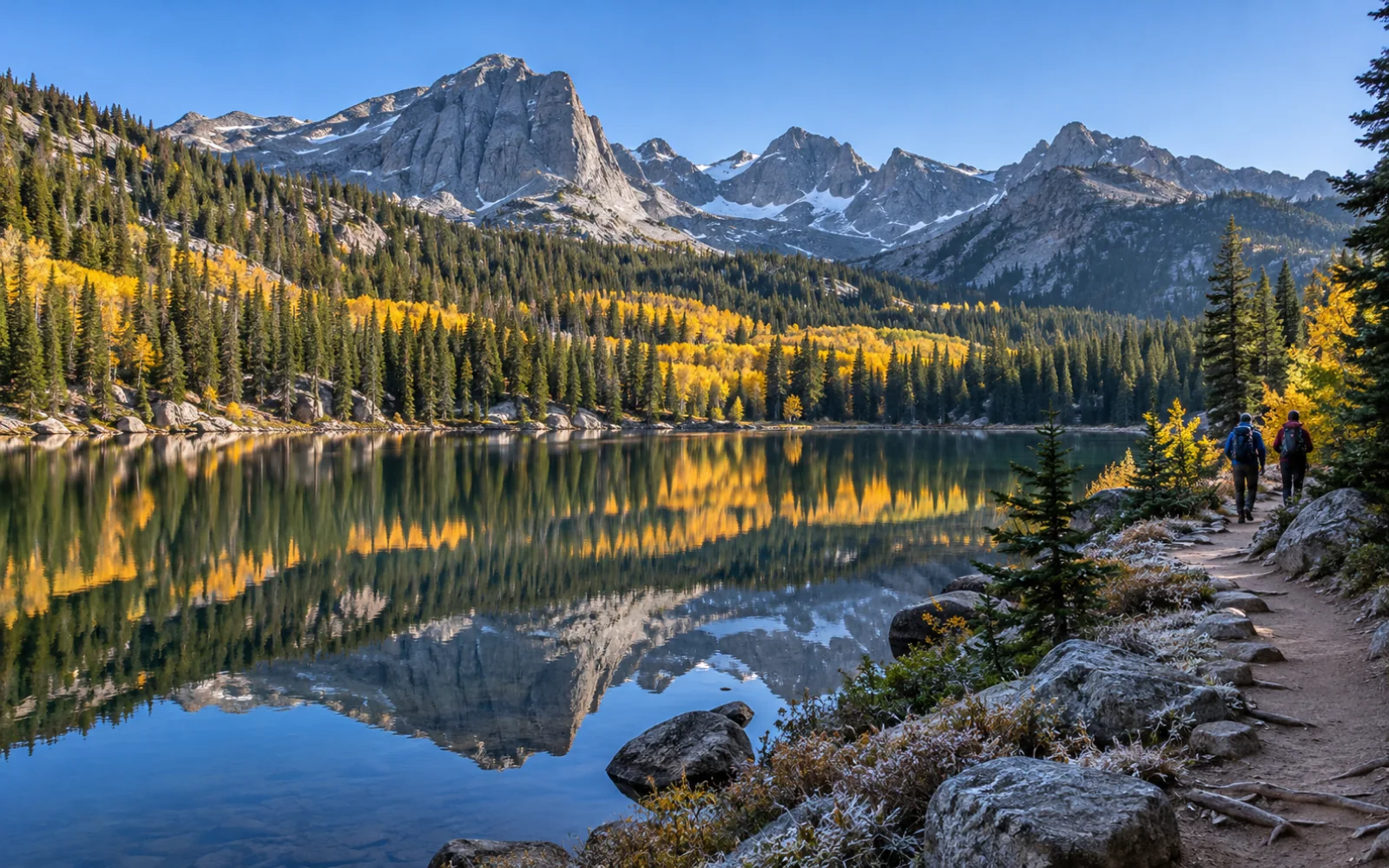
Pick one defined walking route in Springbrook or Lamington, check park alerts and sunset time, and never enter a closed track. Queensland Parks currently lists planned works and closures for the Purling Brook Falls circuit and Settlement day-use area from 30 October 2026 to 30 September 2027, so check the live alert first. After rain, creek levels and surfaces change quickly, and a small-group tour may suit visitors unfamiliar with mountain roads.
The airport lies near Coolangatta, not Surfers Paradise. Translink lists bus 777 between Gold Coast Airport and Broadbeach South, where travellers can transfer to G:link, so check the current timetable. Brisbane Airport is much farther away, so confirm which airport is on the ticket before reserving accommodation.
Bases, weather and access in one place
Surfers Paradise has the most high-rise accommodation and evening activity, Broadbeach is calmer with strong dining access, Burleigh Heads has neighbourhood character, and Coolangatta suits southern beach time. A distant bargain can cost multiple bus transfers for each activity. The subtropical climate brings strong sun and summer thunderstorms, so put exposed walks early and move indoors at peak heat.
A rental car adds parking costs and does not improve central beach days, but a car helps hinterland plans. Never leave valuables visible at a trailhead, and avoid mountain roads after dark or in heavy rain. Ask accommodation about lift reliability and an accessible route to the beach, and confirm beach-mat or wheelchair availability with the lifeguard service. Two days before travel, check the first airport transfer, attraction hours, the beach forecast and any park alerts, and keep one afternoon unscheduled so a storm or a tired group does not break the plan. Theme-park accessibility passes should be discussed with the operator before buying a ticket.
Explore other options through the Australia destination hub and compare a southern city in our Melbourne first-time visitor guide or Adelaide guide. For the nearby state capital, read what makes Brisbane special.
Questions and answers
How many days should a first Gold Coast visit take?
Four days allows a beach and neighbourhood day, one theme-park day, one southern-coast day and either the hinterland or a slower spare day.
Is Surfers Paradise the best place to stay?
It is convenient for light rail, nightlife and a first short visit. Broadbeach is calmer with strong dining access, while Burleigh or Coolangatta better suits travellers focused on local beach time.
Can you visit the Gold Coast without a car?
Yes for Surfers Paradise, Broadbeach, major transport hubs and many theme-park connections. A car becomes useful for a carefully planned hinterland day or less connected coastal stops.
Sources
Melbourne · 37.8136° S, 144.9631° E
This story belongs to Gold Coast, Australia. A continent of the world's oldest continuing cultures, a World Heritage reef and cities that each began for different reasons.