Cairns Reef and Rainforest Guide: Two World Heritage Areas
Cairns sits between two World Heritage areas, a reef inscribed in 1981 and a rainforest listed in 1988, and its history runs from a goldfields port to Kuku Yalanji country.
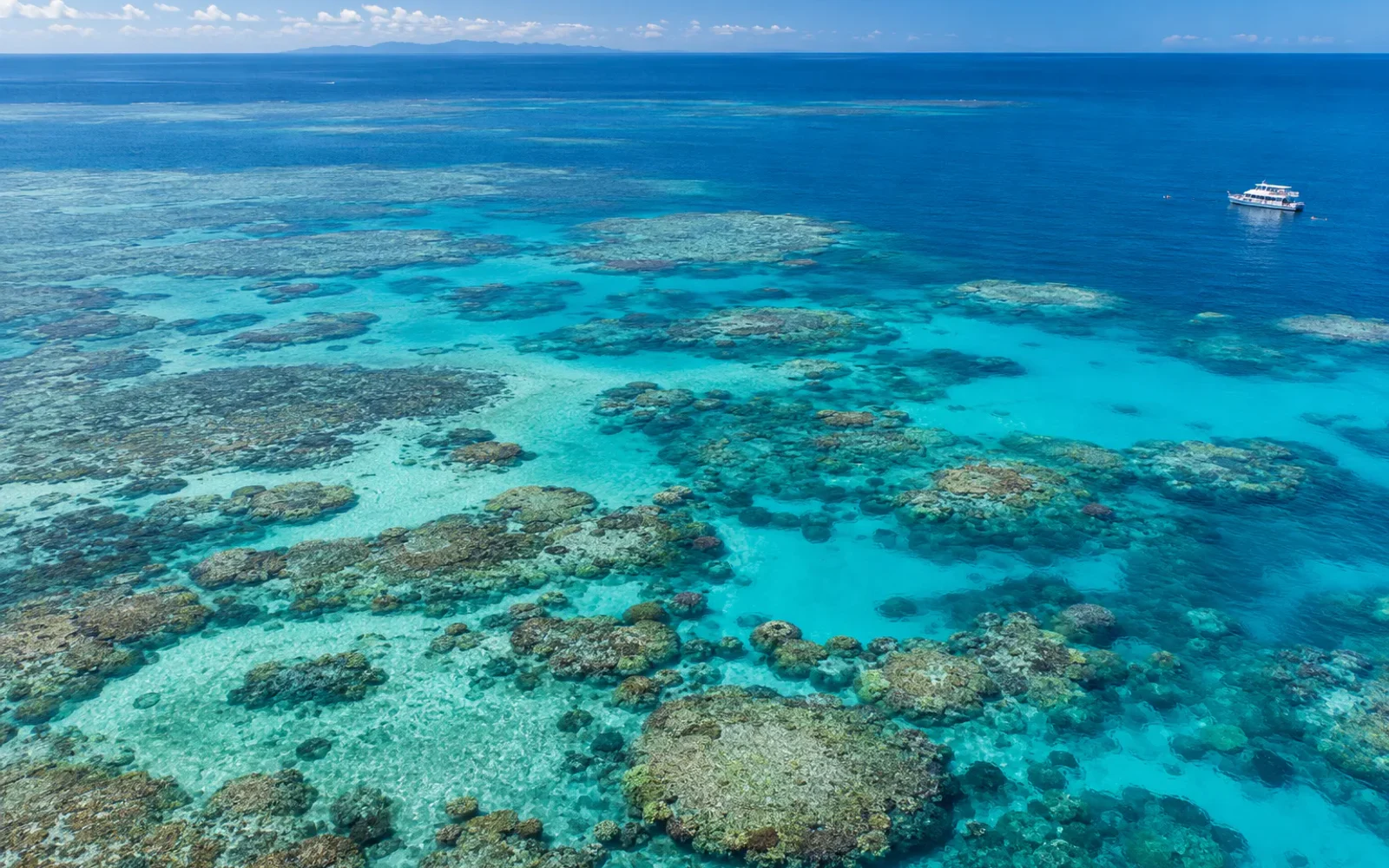
Cover: AI-generated illustration. © ANUSHKA DAHANAYAKE (PVT) LTD.
Cairns stands where two of the planet's most celebrated natural systems meet the coast. The Great Barrier Reef was inscribed on the World Heritage List in 1981, the first coral reef ecosystem anywhere to be listed, and UNESCO's own description counts about 400 types of coral and 1,500 species of fish. Behind the city, the Wet Tropics of Queensland followed in 1988 and later joined the Australian National Heritage List in 2007. The Wet Tropics Management Authority describes these forests as the oldest continuously surviving tropical rainforests on earth, and the Daintree is the best known part of an area of roughly 8,940 square kilometres. The same forests hold one of the highest concentrations of primitive flowering plant families in the world, which is why botanists treat them as a living archive of how flowering plants spread. Few cities have two World Heritage areas within an easy day's reach.
The city itself is younger and rougher. Cairns was founded in 1876 as a port for gold from the Hodgkinson goldfields, and it was named that year for William Cairns, then Governor of Queensland. Before the port, this was Yidinji country, and the Gimuy Walubara Yidinji people are recognised as the Aboriginal inhabitants of the Cairns area. Further north, the Kuku Yalanji are Traditional Owners of the Daintree and Mossman Gorge, and the Daintree National Park was handed back to them in 2021. Aboriginal people have lived in the Wet Tropics rainforest for at least 5,000 years, which makes it the only place in Australia where people have permanently inhabited tropical rainforest.
Engineering belongs to the story too. The Kuranda Scenic Railway, begun in 1886, climbs the Macalister Range through 15 hand-made tunnels and across 37 bridges to reach Kuranda at 328 metres. Passenger services began on 25 June 1891, after about three million cubic metres of earth were moved by hand and explosives. The line passes Barron Gorge National Park and its falls, and it remains the most direct way to understand why a mining port needed a road to the tableland.
That history explains how Cairns now works: the marina, not the beach, is the civic heart, and almost everything starts with a departure. The itinerary below follows the logic of the place, one reef day, one rainforest day and a day that absorbs the weather.
Arrival day on the Esplanade
Use the first afternoon for the Esplanade, the lagoon and a short walk along the waterfront. Confirm the marina departure point in daylight, since several vessels board from the same area, and check whether the operator collects from your property or expects passengers at the marina. Pack sun-protective clothing, a secured hat, a refillable bottle and only the valuables you need. Discuss seasickness remedies with a pharmacist before buying, and keep dinner simple, because hydration and sleep help more than a late excursion before a full marine day.
One reef day, chosen before everything else
"Reef trip" can mean an outer-reef platform, a smaller vessel visiting several sites, an island day or a dive-focused operation. Ask where the boat normally goes, how long the open-water crossing takes and what happens when conditions change. A large platform offers facilities and shade; a small vessel moves more but may reach quieter sites. Tell the operator about non-swimmers, children, pregnancy, mobility needs and medical conditions before paying.
The Great Barrier Reef Marine Park Authority asks visitors to practise buoyancy over sand, secure dangling equipment, never feed fish, keep clear of free-swimming wildlife and never touch or collect coral, including dead coral. Wind and sea state matter more than rain, so a grey morning in the city does not mean a cancelled trip. Book early in the stay so a weather cancellation can be moved. Listen to the safety briefing even if you have snorkelled elsewhere, because vessel procedures and designated swimming areas differ. Non-swimmers can still enjoy the day when the operator offers viewing and guided support, and nobody should be pressured into open water. Sun, sea motion and sustained attention tire most people, so keep the evening after the reef light.
The Esplanade Lagoon is the safe swimming option in the city. Obey signs along the foreshore, creeks and rivers, where stingers, crocodile habitat and tidal hazards are real, and never enter because the water looks calm.
Kuranda or Daintree for the rainforest day
Kuranda is the structured choice: rail up through the 1891 line, the Skyrail cableway or road down, and a village day on the tableland. Check operating days and transfers for each leg, because combined tickets can have separate check-in points.
The Daintree is a longer day. Mossman Gorge lies about 80 km north of Cairns, according to Queensland Parks, while Cape Tribulation requires the Daintree River ferry. A gorge visit does not need the ferry, so avoid combining every northern stop in one trip. Indigenous-led walks add context that signs cannot, and cultural guidance about restricted places and photographing people should be followed. The parks authority lists a temporary closure of the Mossman Gorge Rainforest Circuit from 9 November to 15 December 2026, so verify the walk before planning around it.
Heat, stingers and access in one place
The drier months are the comfortable and popular ones, while the wet season brings humidity, heavy rain and severe-weather risk. Use Bureau of Meteorology warnings and operator updates close to travel. Heat illness develops quickly, so carry water, use shade and reduce activity if someone feels unwell. In an emergency in Australia, call 000.
Central Cairns is flat and walkable, and booked tours include transfers. A hire car helps on a planned northern route but not on the waterfront. Avoid unfamiliar rainforest roads after dark, when wildlife and fatigue raise the risk, and never enter floodwater.
Accessibility varies by vessel, pontoon and boardwalk. Ask for measurements, transfer methods and toilet details, because "wheelchair accessible" may still mean a boat ladder or steep gangway. Keep luggage with the accommodation or a staffed provider if a flight follows a long day.
Continue with the Australia destination hub and the Cairns overview, read what makes Australia special, add more Queensland coast with the Gold Coast guide, or contrast the west coast in what makes Perth special.
Questions and answers
How many days are useful in Cairns?
Three days allow one reef day, one rainforest day and a lighter city or recovery day. Add a spare day if the reef is the main purpose of the trip because weather can disrupt marine departures.
Can you visit Cairns without hiring a car?
Yes for the city and booked reef or rainforest tours. A car gives more flexibility for regional rainforest routes, but tropical road conditions and wildlife require careful planning.
How should travellers choose a reef operator?
Compare the exact reef site, vessel and travel time, swimming support, medical and accessibility arrangements, included equipment, cancellation terms and environmental practices.
Sources
Melbourne · 37.8136° S, 144.9631° E
This story belongs to Cairns, Australia. A continent of the world's oldest continuing cultures, a World Heritage reef and cities that each began for different reasons.