Queenstown for First-Time Visitors: Bungy Origins, Gold Rush and Fiordland
Queenstown through the bungy bridge, the gold rush, a 1912 steamship and Fiordland, with a three-day plan that puts weather and safety first.
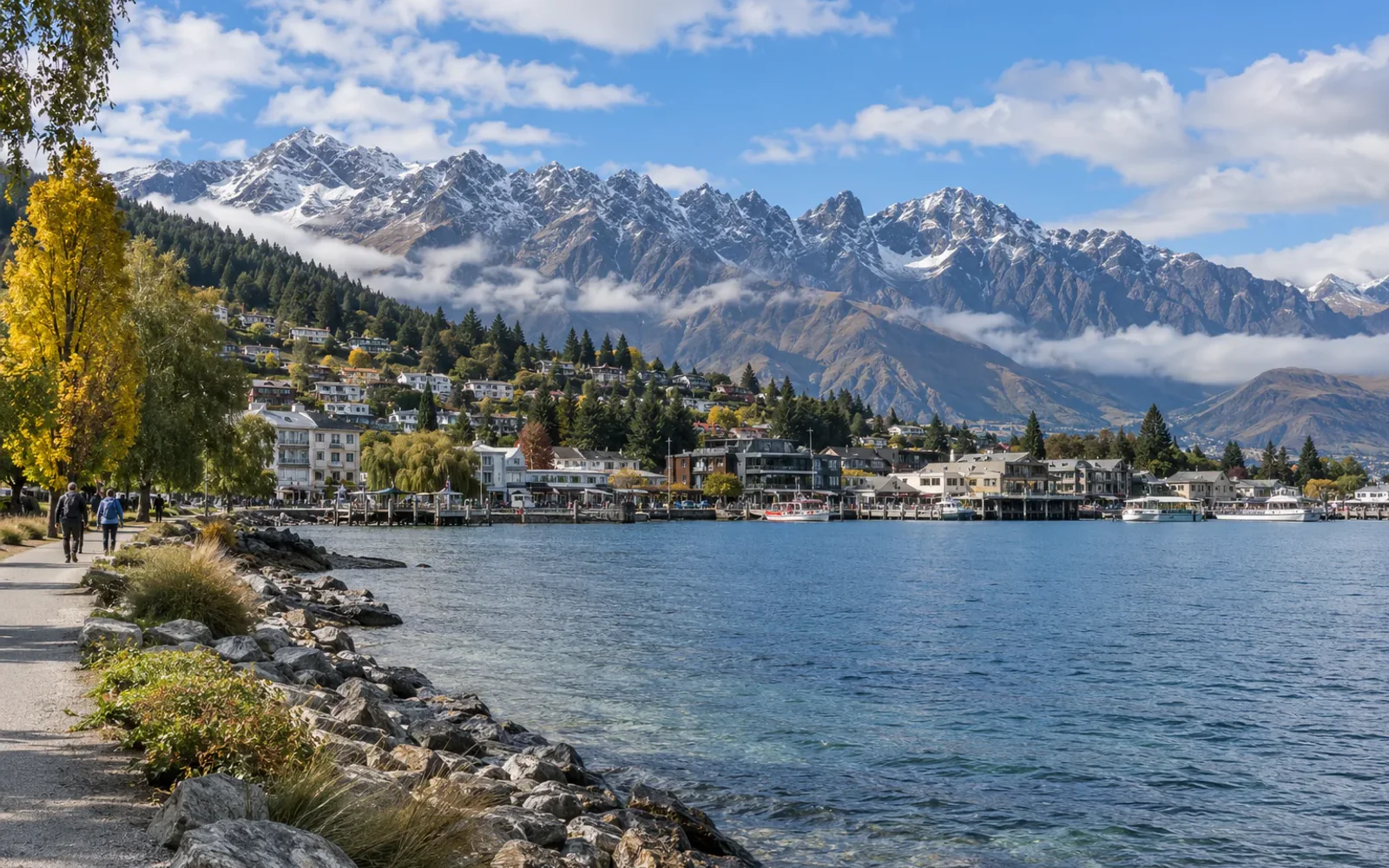
Cover: AI-generated illustration. © ANUSHKA DAHANAYAKE (PVT) LTD.
Queenstown sits on the shore of Lake Wakatipu beneath the Remarkables, and its modern fame hides an older story. This was Kāi Tahu country long before it was a gold-rush camp, the gold of the 1860s brought miners from Europe and China, and in 1988 a bridge over the Kawarau River gave the world commercial bungy jumping. Locals take pride in the way a small lakeside town turned landscape, history and invention into an industry that still sets the standard for adventure tourism.
Where bungy began
On 12 November 1988 AJ Hackett and Henry van Asch opened the world's first commercial bungy site on the Kawarau Bridge, a 43-metre drop over the river. Twenty-eight people paid to jump on the first day, according to accounts of the opening. The partners later separated, but the bridge became a heritage site in its own right, and jet boating, rafting, canyon swings and skydiving have grown up around it. The adventure reputation has a precise beginning, and the bridge still draws large numbers of visitors each year.
Gold, Arrowtown and the Chinese settlement
Jack Tewa, a shearer, found gold in the Arrow River in 1862, and a rush followed; the first shipment of roughly 340 kilograms left in January 1863. Arrowtown, twenty minutes from Queenstown, keeps its gold-rush main street of timber and stone cottages. The preserved Chinese settlement tells of miners who were invited to rework the abandoned claims and who lived apart from the European miners in harsher conditions, and it is a heritage place, not a costume backdrop. The settlement also reflects Kāi Tahu connections to the region that predate the rush.
The lake, the steamship and the mountains
Lake Wakatipu is a long, narrow, glacial lake, and in Kāi Tahu tradition it is the hollow left where the giant Matau was burned. The TSS Earnslaw, a coal-fired steamship built in Dunedin and reassembled at Kingston, was launched in 1912 and still carries passengers to Walter Peak. Above the town, the Remarkables and the peaks around Coronet Peak shape both the winter ski season and the town's skyline. In the Gibbston Valley and across Central Otago, Pinot Noir is the signature wine, with cellar doors along the Kawarau Gorge.
Skiing and the Skyline
In winter, Coronet Peak and The Remarkables ski areas lie within a short drive of town, with Cardrona and Treble Cone further afield, which makes Queenstown the centre of New Zealand skiing. The Skyline Gondola climbs Bob's Peak for a view across the lake and mountains. Both are weather-dependent, so keep a flexible plan and check conditions before committing. Even a short visit to either shows why the town's identity is bound so closely to the mountains around it.
Fiordland and the Great Walks
Queenstown is the nearest town of size to Fiordland National Park, part of Te Wāhipounamu, the South West New Zealand World Heritage area whose listing was extended in 1990. Milford Sound, Piopiotahi, is a long day trip, and the Routeburn Track, one of the Great Walks, starts near Glenorchy at the head of the lake. The Milford Sound first-time guide explains the approach from Te Anau; weather disruptions are common and flights run only when conditions allow.
Why locals value it
For people from the region, Queenstown is more than a tourist stop. It is the place where the gold rush, the arrival of Chinese miners, the steamship era and a modern adventure industry all happened within a few kilometres of one another, and where Kāi Tahu stories explain the lake itself. That layering of old and new is the story worth taking away.
Three days around the lake basin
Day one: orientation. Begin on the waterfront and in Queenstown Gardens, where a level path gives a clear view of Cecil Peak, Walter Peak and the Remarkables. Pick one managed viewpoint or a short walk for the afternoon. The gondola gives access above town, and the Tiki Trail is steep and muddy, so taking the gondola is not a failure. DOC grades the Ben Lomond summit as an advanced 6 to 8 hour return hike with steep drops and winter alpine equipment requirements; do not attempt it casually.
Day two: one adventure, not four. Decide whether the day is for water, air, cycling or a guided landscape experience. Ask what clothing is provided, how weather decisions are made and what happens if an activity stops, and avoid a chain of prepaid experiences with no transfer buffer. For a quieter day, cycle part of the Queenstown Trail, take the Earnslaw cruise or visit a gallery. Keep the late afternoon free, since wind can delay lake and aerial activities.
Day three: Arrowtown, Glenorchy or a walk. Arrowtown suits a half or full day by bus, shuttle or car; walk the Arrow River trail if conditions suit. Glenorchy lies along a spectacular winding lakeside road, so pull over only in designated safe areas. Alternatively, choose a DOC walk after checking conditions, tell someone the route and return time, and carry food, water, insulation and a waterproof layer. For more of the country, see the New Zealand overview, what makes New Zealand special, the calmer Wānaka guide and the Rotorua guide.
Safety, driving and practical choices
New Zealand's Land Safety Code asks visitors to choose the right trip, understand the weather, pack warm clothes and extra food, share plans and look after each other. Sun intensity is high, but cloud and wind can drop the temperature quickly, and snow and avalanche conditions may affect routes that look easy from town. Drive on the left, allow more time than the distance suggests, and book a shuttle if wineries are on the plan. Roads towards Glenorchy, ski fields and mountain passes can be narrow, icy or affected by rockfall, and rental agreements may restrict unsealed routes.
Central Queenstown is walkable but noisy; Frankton has the airport and shopping, and Arrowtown is a separate settlement. Check the gradient between your accommodation and a bus stop in winter, since ice makes steep driveways harder, and note that parking in the centre is limited and costly. Waterfront paths, cruises and managed attractions give mountain experiences without alpine hiking; confirm step-free boarding with operators. Accommodation and commercial activities make Queenstown expensive, so choose one high-value paid experience and combine it with public tracks and lakefront time. Flexible booking terms matter more than a small discount, and travel insurance should cover the activities you intend to do. Use refill stations, carry litter out and respect closures and rāhui.
Questions and answers
How many days should first-time visitors spend in Queenstown?
Three full days allow one major activity, a lake or town day, and one regional outing. Add more time for multi-day hikes, Milford Sound or weather flexibility.
Do you need a car in Queenstown?
Not for the town centre and several nearby sights. Buses, shuttles and tours cover many activities, but a car can help with a wider Otago itinerary if the driver is prepared for local conditions.
Is the Ben Lomond Track suitable for beginners?
The summit route is a demanding alpine day, not a casual viewpoint walk. Weather, snow, fitness and daylight matter; check DOC information and choose a lower track when conditions or experience are insufficient.
Should adventure activities be booked in advance?
Reserve a priority activity during busy seasons, but leave weather flexibility. Confirm cancellation, age, weight, mobility and medical requirements directly with the operator.
Sources
Auckland · 36.8485° S, 174.7633° E
This story belongs to Queenstown, New Zealand. A country where land and people are bound together: a mountain park given by a Māori chief, the Treaty of Waitangi and the first vote for women.